Large vs Small Dog Breeds: Health Risks and Vet Costs
Compare large, small, and brachycephalic dog breeds. Discover health risks, lifetime veterinary costs, and actionable wellness plans for your new puppy.

Introduction to Breed-Specific Health Profiles
When selecting a canine companion, prospective owners often prioritize temperament, size, coat type, and energy levels. However, from a veterinary and holistic wellness perspective, understanding breed-specific health predispositions is paramount. The decision to bring home a towering Great Dane, a petite Chihuahua, or a flat-faced French Bulldog carries vastly different implications for your dog's long-term wellbeing, daily care routines, and your lifetime veterinary budget. Selecting a dog is not just an emotional choice; it is a long-term healthcare commitment.
In this comprehensive guide, we break down the physiological realities of large, small, and brachycephalic breeds. By comparing their most common health vulnerabilities, outlining actionable preventive care strategies, and estimating lifetime veterinary costs, you can make an informed decision that aligns with your lifestyle, budget, and capacity for canine caregiving.
Large Breeds: Orthopedic Vulnerabilities and Joint Care
Large and giant breeds—such as Labrador Retrievers, German Shepherds, Golden Retrievers, and Bernese Mountain Dogs—are beloved for their gentle temperaments and athletic capabilities. Unfortunately, their massive frames place immense biomechanical stress on their skeletal systems. The most pervasive issues in large breeds are orthopedic, specifically hip dysplasia, elbow dysplasia, and cranial cruciate ligament (CCL) tears.
According to the Orthopedic Foundation for Animals (OFA), hip dysplasia is a polygenic disease influenced by environmental factors, leading to joint laxity and eventual osteoarthritis. Furthermore, large breeds are highly susceptible to gastric dilatation-volvulus (GDV), or bloat, a life-threatening emergency requiring immediate surgical intervention.
Actionable Orthopedic and Preventive Care
- Genetic Screening: If purchasing from a breeder, demand OFA-certified hip and elbow x-rays taken at or after 24 months of age. Responsible breeding drastically reduces the incidence of severe dysplasia.
- Targeted Nutrition: Feed a large-breed specific puppy formula (e.g., Purina Pro Plan Large Breed Puppy) to ensure controlled growth rates, preventing rapid bone expansion that weakens joints.
- Joint Supplements: Begin a high-quality glucosamine, chondroitin, and MSM supplement like Dasuquin Advanced (approx. $65 for 150 chewables) around 12 to 18 months of age to support cartilage health.
- Environmental Modifications: Invest in an orthopedic bed like the Big Barker 7-inch Pillow Top (approx. $250) to relieve joint pressure during sleep. Additionally, use area rugs on hardwood floors to prevent slipping and micro-traumas to the CCL.
- GDV Prevention: Use a slow-feeder bowl to prevent rapid air ingestion, and avoid vigorous exercise for one hour before and after meals. Discuss prophylactic gastropexy with your vet during spay/neuter surgery.
Small Breeds: Dental Disease and Cardiac Concerns
Small breeds like Chihuahuas, Yorkshire Terriers, Pomeranians, and Cavalier King Charles Spaniels often boast impressive lifespans, frequently living well into their mid-to-late teens. However, their longevity is often accompanied by chronic, manageable conditions that require diligent daily care. The two most prominent health hurdles for small dogs are severe periodontal disease and cardiac issues, particularly mitral valve disease (MVD).
The anatomy of a small dog's mouth is inherently flawed; they possess the same number of teeth as a large dog, but crammed into a significantly smaller jaw. This crowding creates deep periodontal pockets where plaque and tartar thrive. The American Veterinary Dental College (AVDC) notes that by age three, most dogs have some evidence of periodontal disease, but in small breeds, this can escalate to painful tooth root abscesses and systemic bacterial infections affecting the heart and kidneys by age five.
Preventive Dental and Cardiac Wellness
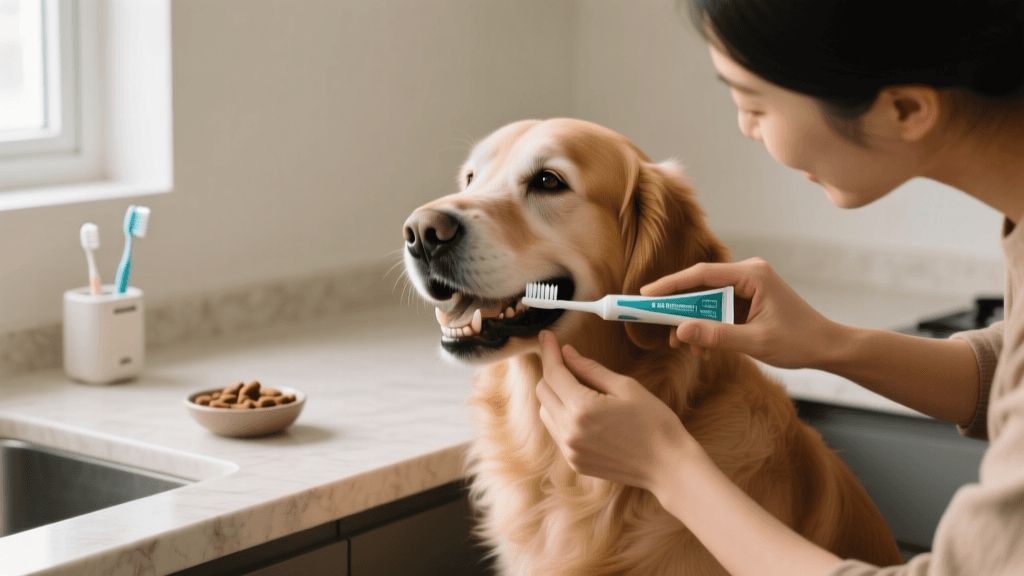
- Daily Dental Hygiene: Brushing is non-negotiable. Use a VOHC (Veterinary Oral Health Council) approved enzymatic toothpaste, such as Virbac C.E.T. (approx. $15), and a dual-headed canine toothbrush daily.
- Professional Cleanings: Budget for professional veterinary dental cleanings under anesthesia every 1 to 2 years. Expect to pay between $800 and $1,500 per procedure, depending on the need for dental radiographs and extractions.
- Cardiac Monitoring: For breeds prone to MVD (like the Cavalier King Charles Spaniel), request an annual cardiac auscultation and a baseline echocardiogram by age four. Early detection allows for the introduction of medications like pimobendan, which can significantly extend quality of life.
- Patellar Luxation: Small breeds frequently suffer from luxating patellas (slipping kneecaps). Maintain a lean body condition score (BCS of 4/9) to minimize stress on the stifles, and avoid letting your small dog jump on and off high furniture; provide pet stairs instead.
Brachycephalic Breeds: Respiratory Realities and Heat Risks
Brachycephalic (flat-faced) breeds, including French Bulldogs, Pugs, and English Bulldogs, have surged in popularity. However, their distinct skull structure comes at a severe physiological cost. Brachycephalic Obstructive Airway Syndrome (BOAS) is a spectrum of anatomical abnormalities—including stenotic nares (narrowed nostrils), an elongated soft palate, and a hypoplastic trachea—that severely compromise a dog's ability to breathe and thermoregulate.
The American Kennel Club (AKC) highlights that dogs with BOAS are highly prone to heatstroke, sleep apnea, and secondary gastrointestinal issues like hiatal hernias due to the immense negative pressure created in their chests when they struggle to inhale. Selecting a brachycephalic breed means accepting a baseline of respiratory compromise and preparing for potential surgical interventions.
Managing BOAS and Environmental Stress
- Early Surgical Assessment: Have your veterinarian evaluate your dog's airway at 6 months of age. Prophylactic widening of the nares and soft palate resection (costing $2,000 to $4,000) can drastically improve long-term respiratory function and prevent secondary laryngeal collapse.
- Thermoregulation: Brachycephalic dogs cannot pant efficiently to cool down. Restrict outdoor exercise during peak heat hours. Always provide a cooling mat, such as the Arf Pets Self Cooling Mat (approx. $30), and keep indoor environments heavily air-conditioned.
- Proper Equipment: Never attach a leash to a neck collar, as pressure on the trachea can induce respiratory distress or fainting. Always use a well-fitted, padded harness like the Ruffwear Web Master (approx. $90) to distribute force across the chest.
- Weight Management: Even a single pound of excess fat on a Frenchie or Pug can exponentially worsen airway obstruction. Measure food precisely using a digital kitchen scale rather than a volume-based scoop.
Comparative Health and Lifetime Cost Table
To help prospective owners visualize the long-term commitments associated with different breed types, the table below outlines the primary health risks, expected lifespans, and estimated lifetime veterinary costs (excluding routine food and grooming).
| Breed Category | Example Breeds | Primary Health Risks | Avg. Lifespan | Est. Lifetime Vet Cost | Key Preventive Investment |
|---|---|---|---|---|---|
| Large / Giant | Labrador, German Shepherd, Great Dane | Hip/Elbow Dysplasia, CCL Tears, GDV (Bloat) | 8 - 12 Years | $12,000 - $18,000 | Orthopedic Bedding & Joint Supplements |
| Small / Toy | Chihuahua, Yorkie, Pomeranian | Periodontal Disease, Luxating Patellas, MVD | 13 - 17 Years | $10,000 - $15,000 | Routine Anesthetic Dental Cleanings |
| Brachycephalic | French Bulldog, Pug, English Bulldog | BOAS, Heatstroke, Skin Fold Dermatitis | 10 - 12 Years | $15,000 - $22,000+ | Early Airway Surgery & Cooling Gear |
Note on Costs: Lifetime veterinary costs are estimates based on average US veterinary pricing and assume the development of at least one major breed-specific chronic condition. Pet insurance premiums will also vary drastically, with brachycephalic and giant breeds commanding the highest monthly rates due to their predictable morbidity.
Designing a Breed-Specific Wellness Plan
Once you have selected a breed, establishing a proactive wellness plan is the cornerstone of responsible ownership. For large breeds, your focus must be on biomechanical preservation. This means strict portion control during puppyhood, mandatory low-impact exercise (like swimming or leash walking on soft surfaces), and early intervention at the first sign of lameness. For small breeds, your wellness plan revolves around hygiene and monitoring. Daily dental care and bi-annual senior blood panels will catch metabolic and cardiac shifts before they become irreversible.
For brachycephalic owners, the wellness plan is fundamentally about environmental management. You are the steward of your dog's oxygen intake and body temperature. Recognizing the subtle signs of respiratory fatigue—such as a broadening of the tongue, excessive panting, or a bluish tint to the gums—is a critical skill that can save your dog's life.
Finally, regardless of the breed you select, securing a comprehensive pet insurance policy (from providers like Trupanion or Healthy Paws) while the dog is a young puppy is highly recommended. Pre-existing conditions are universally excluded by insurers; therefore, enrolling before your large breed develops a limp, or your small breed requires a tooth extraction, ensures that your financial ceiling is never the deciding factor in your dog's quality of life. By matching your lifestyle and financial readiness to the specific health profile of a breed, you lay the groundwork for a long, vibrant, and deeply fulfilling life together.
marcus-aldridge
All our authors care for dogs every day — read more of their work on the authors page.