Home Modifications for Senior Dogs With Mobility Issues
Discover practical home modifications and daily routine adjustments to help your senior dog navigate safely and comfortably despite mobility or vision loss.

Welcoming the Golden Years: Adapting Your Home for Your Senior Dog
Sharing your life with a senior dog is one of the most profound and rewarding experiences a pet owner can have. The frantic energy of puppyhood has settled into a deep, soulful companionship. However, as our canine friends age, the environment that once felt like a safe haven can slowly transform into a challenging obstacle course. Watching a beloved dog struggle to jump onto their favorite sofa or slip on the hardwood floor can be heartbreaking, but it is entirely preventable. By making strategic, thoughtful home modifications and adjusting your daily routines, you can dramatically improve your aging dog's quality of life, preserving their dignity and independence.
According to the American Veterinary Medical Association (AVMA), dogs are generally considered senior when they reach the last 25% of their expected lifespan, which varies significantly by breed and size. During this time, physiological changes such as osteoarthritis, muscle atrophy, and sensory decline become prominent. This guide will walk you through highly specific, actionable modifications to create a safe, enriching, and comfortable sanctuary for your aging companion.
Understanding the Aging Canine Body and Environment
Before moving furniture or buying gadgets, it is crucial to understand how your dog is experiencing your home. Aging dogs typically face three major environmental hurdles:
- Osteoarthritis and Joint Pain: Cartilage wears down, making impact activities like jumping or navigating steep stairs painful. Micro-traumas from slipping on hard floors can cause severe flare-ups.
- Sensory Decline: Conditions like lenticular sclerosis (a hardening of the eye lens) and cataracts reduce depth perception and night vision. Hearing loss may also make them easily startled.
- Decreased Proprioception: This is the body's ability to perceive its own position in space. Senior dogs often experience a decline in proprioception, meaning they may not realize their back paws are slipping until they have already lost their balance.
Recognizing these changes allows us to shift our perspective from a human-centric home design to a senior-dog-centric environment.
Flooring and Traction: The Foundation of Safety
Smooth surfaces like hardwood, laminate, and tile are the nemesis of the senior dog. When a dog loses traction, they splay their legs to compensate, which puts immense strain on the hips, knees, and spine. To combat this, you must create 'traction highways' throughout your home.
Strategic Rug Placement and Non-Slip Pads
Do not rely on standard area rugs, as they can slide and cause worse falls. Instead, invest in low-pile, high-density rugs paired with heavy-duty, non-slip rug pads. Look for pads made from natural rubber or felt-rubber blends that are at least 1/4-inch thick, such as the Gorilla Grip or RugPadUSA brands. Ensure the rugs cover the primary pathways your dog uses to move between their bed, water bowl, and the door to the yard.
Interlocking Foam Mats and Yoga Mats
For high-traffic areas or spaces where rugs are impractical, interlocking EVA foam mats (often used in home gyms or playrooms) provide excellent shock absorption and grip. Alternatively, inexpensive yoga mats can be cut to size and placed under food and water bowls to prevent slipping while eating.
Toe Grips and Paw Balms
If your dog still struggles on hard floors despite rugs, consider canine toe grips, such as Dr. Buzby's ToeGrips. These are small, non-toxic rubber cylinders that slide onto the dog's nails, providing immediate traction by allowing the hard nail to grip soft surfaces. Additionally, applying a high-quality paw wax or balm (like Musher's Secret) weekly can prevent dry, cracked paw pads, ensuring the natural pads maintain their grip on your flooring.
Navigating Elevation: Ramps, Stairs, and Harnesses
Furniture and vehicles represent significant vertical challenges for senior dogs. Jumping down from a bed is often more damaging to aging joints than jumping up, as the impact forces on the front shoulders and wrists are immense. The ASPCA strongly recommends eliminating jumping entirely for senior pets to prevent catastrophic injuries like torn cruciate ligaments or spinal issues.
The Mathematics of Dog Ramps
When purchasing or building a ramp, the incline is everything. A ramp that is too steep will cause your dog to hesitate or slide backward. The general rule of thumb for canine mobility is a 3:1 or 4:1 ratio for indoor furniture, and an 18:1 ratio for vehicles. This means for every 1 inch of height, you need 3 to 4 inches of ramp length. If your bed is 24 inches high, you need a ramp that is at least 72 to 96 inches (6 to 8 feet) long. Always choose ramps with a high-traction surface, such as indoor-outdoor carpet or ribbed rubber, and ensure the ramp has side rails to prevent a senior dog from stepping off the edge.
Pet Stairs vs. Ramps
Pet stairs are suitable for dogs with mild arthritis who still have the balance to navigate steps, but they are not ideal for dogs with severe hind-end weakness or canine cognitive dysfunction, as stairs require complex spatial navigation. If you use stairs, ensure each step is deep enough for their entire body to rest on (at least 12 inches deep) and covered in non-slip material.
Support Harnesses
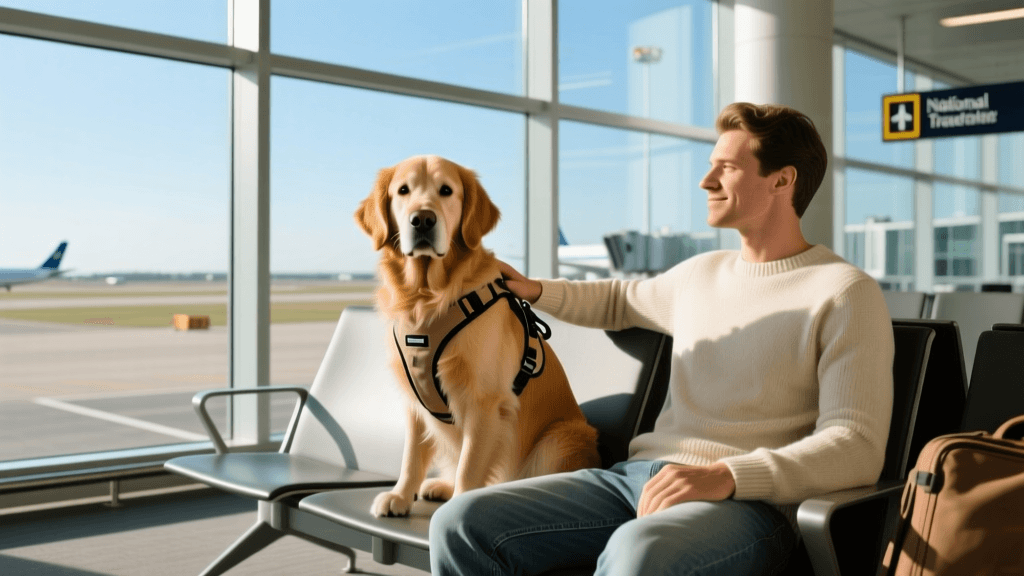
For navigating actual household stairs or getting into an SUV, a full-body support harness is invaluable. Products like the Help 'Em Up Harness feature built-in handles that allow you to lift your dog's hindquarters and chest simultaneously, distributing their weight evenly and saving your own back from strain.
Lighting and Sensory Mapping
As vision fades, dogs rely heavily on spatial memory and their remaining senses to navigate. A sudden change in lighting or furniture arrangement can cause severe anxiety and disorientation, especially in dogs developing Canine Cognitive Dysfunction (CCD).
- Automated Baseboard Lighting: Install LED motion-sensor or dusk-to-dawn nightlights along baseboards in hallways and near staircases. Floor-level lighting illuminates the walking path without causing glare in your dog's aging eyes.
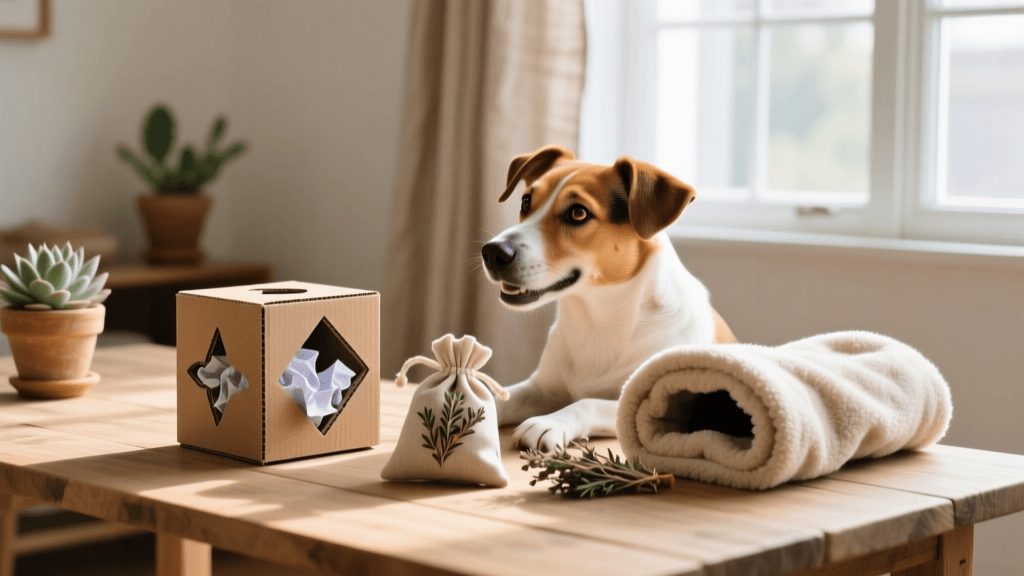
- Scent Mapping: You can create an olfactory map of your home. Place a tiny drop of a dog-safe essential oil (like lavender or chamomile) on a cotton ball and tuck it near doorways or the edge of their bed. This provides a consistent scent marker that helps visually impaired dogs orient themselves.
- Tactile Cues: Place a distinctly textured mat (like a rubberized bath mat) right outside the door leading to the yard, or at the top of a staircase, to signal a change in environment through their paw pads.
Rest and Recovery: Upgrading Their Sleep Space
Senior dogs sleep more, and the quality of their rest directly impacts their morning mobility. Thin, polyester-filled beds or 'egg-crate' foam beds are insufficient because they compress entirely under the dog's weight, offering zero joint support.
Invest in a true orthopedic bed made from high-density memory foam. For large breeds, the foam should be at least 4 to 7 inches thick to prevent 'bottoming out.' Brands like Big Barker or K9 Ballistics offer beds specifically engineered for joint support. Additionally, consider beds with a waterproof inner liner to protect the foam from age-related incontinence, and look for low-profile designs or beds with a built-in ramp so the dog does not have to step over a high bolster to get in.
Comparison Chart: Senior Dog Mobility Aids
Choosing the right aid depends on your dog's specific physical limitations and your home's layout. Below is a comparison of common mobility solutions.
| Mobility Aid | Best Used For | Pros | Cons | Estimated Cost |
|---|---|---|---|---|
| Folding Ramps | Vehicles, high beds, couches | Eliminates joint impact; versatile | Takes up floor space; requires training to use | $40 - $150 |
| Foam Pet Stairs | Low beds, window sills | Lightweight; easy to move; soft if bumped | Requires balance; not for severe arthritis | $30 - $80 |
| Lifting Harness | Stairs, car entry, slippery spots | Provides full-body support; saves owner's back | Requires owner's physical strength; must be fitted | $50 - $150 |
| Toe Grips | Hardwood floors, tile, laminate | Instant traction; unobtrusive | Nails must be trimmed properly; falls off if loose | $20 - $35 |
| Dog Wheelchair | Severe hind-leg paralysis/weakness | Restores independent mobility and exercise | Expensive; requires acclimation; bulky | $250 - $500+ |
Adjusting Daily Routines: From Physical Miles to Mental Miles
Modifying your home is only half the equation; modifying your daily routine is equally critical. The American Kennel Club (AKC) emphasizes that while physical exercise must decrease to protect aging joints, mental stimulation must increase to prevent cognitive decline and depression.
The 'Sniffari' Walk
Replace long, brisk walks with 'Sniffaris.' Allow your dog to dictate the pace and stop to sniff every tree, bush, and fire hydrant they desire. Sniffing lowers a dog's heart rate and provides immense mental enrichment. Fifteen minutes of intense sniffing can tire a senior dog out just as much as an hour of physical walking, without the orthopedic wear and tear.
Indoor Enrichment
On days when the weather is poor or your dog is experiencing an arthritis flare-up, bring the enrichment indoors. Ditch the standard food bowl and use puzzle toys, snuffle mats, or lick mats. Spreading their daily kibble across a snuffle mat forces them to use their nose and brain to forage, turning a five-minute meal into a twenty-minute cognitive workout. Frozen lick mats (using plain pumpkin puree or low-sodium bone broth) also provide soothing, repetitive licking that releases endorphins and reduces anxiety.
Conclusion: Preserving Dignity in the Golden Years
Caring for a senior dog requires a shift in perspective, immense patience, and a willingness to adapt your living space to meet their changing needs. By addressing slippery floors, providing proper incline ramps, optimizing lighting, and shifting your focus from physical endurance to mental enrichment, you are doing far more than just preventing falls. You are preserving your dog's dignity, confidence, and joy. The golden years should be a time of deep comfort and mutual love, and with the right home modifications, your senior dog can continue to navigate their world with grace and security.
hannah-wickes
All our authors care for dogs every day — read more of their work on the authors page.