Senior Dog Care: Adapting Home and Routine for Aging Pets
Discover essential life stage care tips for senior dogs. Learn how to adapt your home, adjust routines, and manage costs to keep your aging pet comfortable.
Understanding the Senior Life Stage
Aging is a privilege, and sharing your life with a senior dog is one of the most rewarding experiences a pet owner can have. However, the transition into the senior life stage requires a proactive shift in how we manage their daily routines, environments, and healthcare. According to the ASPCA, dogs are generally considered senior when they reach the last 25% of their expected lifespan. For giant breeds like Great Danes, this can be as early as 5 or 6 years old, while smaller breeds like Chihuahuas may not show senior signs until they are 10 or 12.
Recognizing the subtle shifts in your dog's mobility, energy levels, and cognitive function is the first step in providing exceptional life stage care. This comprehensive guide will walk you through actionable, specific adjustments you can make to your home, daily schedule, and veterinary care plan to ensure your aging companion thrives in their golden years.
Adapting Your Home for Mobility and Comfort
Osteoarthritis and general joint stiffness affect an estimated 80% of dogs over the age of 8. Adapting your living space is crucial to prevent slips, falls, and unnecessary joint strain.
Flooring and Traction
Hardwood, laminate, and tile floors can be incredibly hazardous for senior dogs. As their hindquarters weaken, slippery surfaces can lead to splay-leg injuries or exacerbate hip dysplasia. To mitigate this, invest in interlocking EVA foam mats or area rugs with heavy-duty non-slip backing. Focus on high-traffic pathways, particularly the routes from their bed to their water bowl and the door to the yard. Expect to spend between $40 and $90 to adequately cover a standard living room area.
Orthopedic Sleeping Arrangements
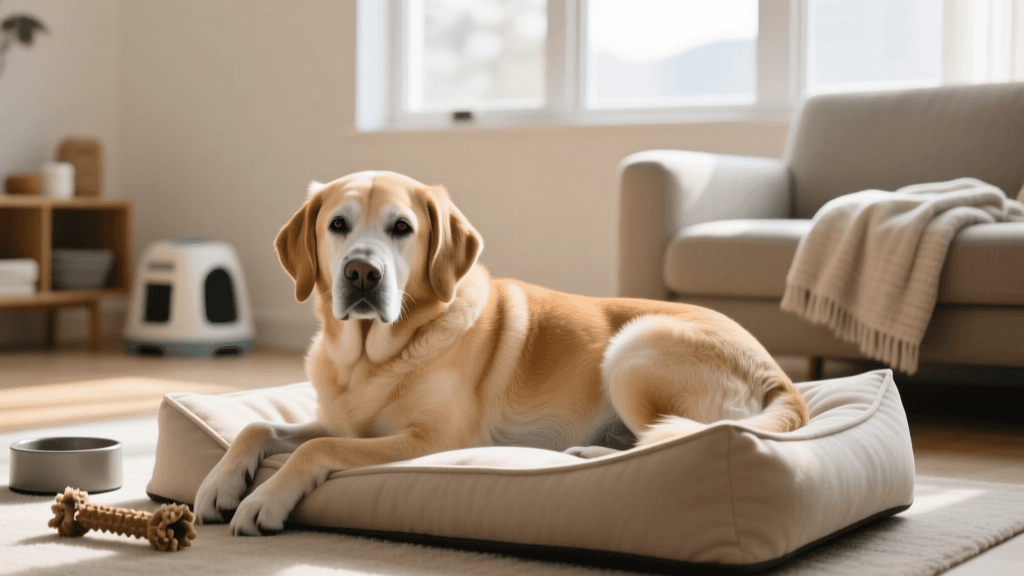
A standard polyester-filled dog bed will flatten out and offer zero support for aging joints. Transition your dog to a high-density orthopedic memory foam bed. Look for beds that offer at least 4 inches of supportive foam, such as the Big Barker Orthopedic Dog Bed or the PetFusion Ultimate Lounge. For a large breed like a Golden Retriever, ensure the bed is at least 40 inches long and 30 inches wide to allow for full-body stretching. While premium orthopedic beds cost between $150 and $300, they are a vital investment in your dog's daily comfort and can significantly reduce morning stiffness.
Ramps and Accessibility
Jumping onto furniture or into the back of an SUV puts immense concussive force on a senior dog's spine and joints. Introduce pet ramps or stairs early, before mobility becomes severely compromised. When selecting a ramp, pay close attention to the incline. A safe slope for an aging dog should not exceed 18 to 20 degrees. For a standard bed height of 24 inches, this means the ramp needs to be at least 6 to 7 feet long to maintain a gentle grade. Brands like PetSafe offer telescoping aluminum ramps that are lightweight and feature high-traction grit surfaces, typically costing between $70 and $130.
Adjusting Daily Routines and Exercise
While senior dogs still require daily physical activity to maintain muscle mass and joint lubrication, the structure of that exercise must change. The American Kennel Club (AKC) recommends modifying exercise routines to prioritize low-impact, consistent movement over intense, exhausting sessions.
Modified Walking Schedules
Replace the single, rigorous 60-minute daily walk with three or four shorter, 15-minute strolls spaced throughout the day. This prevents overexertion and allows your dog to recover more easily. Avoid walking during the hottest parts of the day, as senior dogs have a diminished ability to regulate their body temperature. If your dog's paw pads are dry or cracked from years of walking, apply a protective wax like Musher's Secret before heading out on hot pavement or icy winter sidewalks.
Mental Enrichment for Aging Brains
Physical limitations may reduce your dog's ability to run and fetch, but mental stimulation remains just as critical. Cognitive enrichment tires a dog out just as effectively as physical exercise. Introduce snuffle mats (approx. $25) to encourage natural foraging behaviors, or use interactive puzzle toys like the Outward Hound Dog Brick ($15). Scent work is another excellent, low-impact activity; simply hide strong-smelling, healthy treats around the living room and encourage your dog to 'find it.' This engages their olfactory senses and builds confidence without stressing their joints.
Nutrition, Supplements, and Veterinary Care
A dog's metabolic rate slows down as they age, meaning their caloric needs can drop by up to 20%. Feeding a senior-specific diet that is lower in fat but higher in highly digestible proteins helps prevent obesity, which is a major aggravator of arthritis.
Targeted Supplementation
Consult your veterinarian about adding joint supplements to your dog's daily regimen. Products containing Glucosamine Hydrochloride, Chondroitin Sulfate, and MSM, such as Dasuquin Advanced or Cosequin DS, are clinically shown to support cartilage health. Expect to spend roughly $40 to $70 per month on high-quality joint supplements. Additionally, Omega-3 fatty acids (EPA and DHA) derived from wild-caught fish oil can significantly reduce systemic inflammation.
Bi-Annual Veterinary Screenings
Senior dogs age the equivalent of 3 to 5 human years in a single calendar year. Therefore, an annual vet visit is no longer sufficient. Experts at Cornell University's Companion Animal Hospital emphasize the importance of bi-annual wellness exams. Every six months, your vet should run a comprehensive senior blood panel, which includes a Complete Blood Count (CBC), a full Chemistry Panel, a Thyroid (T4) test, and a Urinalysis. This proactive screening, typically costing between $150 and $250 per visit, is essential for catching early signs of kidney disease, diabetes, and hypothyroidism before clinical symptoms appear.
Managing Canine Cognitive Dysfunction (CCD)
Canine Cognitive Dysfunction (CCD) is the canine equivalent of Alzheimer's disease. Symptoms include disorientation, staring at walls, altered sleep-wake cycles (pacing at night), and house-soiling in previously trained dogs. If you notice these signs, consult a veterinary behaviorist. Interventions may include prescription medications like Selegiline (Anipryl), specialized diets rich in antioxidants and Medium Chain Triglycerides (MCTs) like Purina Pro Plan Bright Mind, and maintaining a strict, predictable daily routine to reduce anxiety.
"Senior dogs thrive on predictability. When cognitive decline begins to alter their perception of the world, keeping their feeding times, walking routes, and furniture arrangements exactly the same provides a vital anchor of security and reduces stress-induced pacing."
Grooming and Hygiene Adjustments
Because senior dogs walk less and on softer surfaces, their nails no longer wear down naturally. Overgrown nails can alter the way a dog bears weight on their paws, pushing their toes upward and causing severe joint pain. Schedule nail trims or Dremel grinding sessions every 3 to 4 weeks. Additionally, older dogs may develop a dull, dry coat or suffer from seborrhea due to underlying metabolic changes. Switch to a gentle, oatmeal-based or veterinary-prescribed medicated shampoo, and brush them daily with a soft-bristle brush to distribute natural oils and check for new lumps or bumps.
Senior Dog Care Cost and Product Guide
Budgeting for a senior dog's evolving needs is a practical necessity for responsible ownership. Below is a structured breakdown of common senior care investments and their associated costs.
| Item / Action | Purpose | Estimated Cost | Frequency / Lifespan |
|---|---|---|---|
| Orthopedic Memory Foam Bed | Joint support and pressure relief | $150 - $300 | Replace every 3-5 years |
| Pet Ramp (Telescoping) | Safe vehicle and furniture access | $70 - $130 | One-time purchase |
| Joint Supplement (e.g., Dasuquin) | Cartilage support and mobility | $40 - $70 | Monthly |
| Interlocking Foam Mats | Floor traction to prevent slips | $40 - $90 | Replace as needed |
| Senior Blood Panel & Urinalysis | Early disease detection | $150 - $250 | Every 6 months |
| Puzzle Toys / Snuffle Mats | Low-impact cognitive enrichment | $15 - $30 | Rotate monthly |
By anticipating the physical and mental shifts that accompany the senior life stage, you can transform your home into a sanctuary of comfort and safety. The financial and temporal investments you make in ramps, specialized nutrition, and bi-annual veterinary care will be repaid a thousandfold by the quiet, contented companionship of a dog who feels secure, supported, and deeply loved in their twilight years.
tom-renshaw
All our authors care for dogs every day — read more of their work on the authors page.