Designing the Perfect Daily Wellness Routine for Senior Dogs
Discover how to craft a balanced daily wellness routine for senior dogs, including joint care, mental stimulation, and optimal feeding schedules.

Why Senior Dogs Thrive on Predictability
As our canine companions enter their golden years, their physical and cognitive needs shift dramatically. According to the ASPCA, dogs are generally considered senior around age seven, though this timeline varies significantly by breed and size. A structured daily wellness routine is no longer just about burning off boundless puppy energy; it is about preserving mobility, stimulating aging brains, and managing chronic discomfort. Senior dogs thrive on predictability. A consistent schedule reduces anxiety, regulates their digestive system, and helps you quickly identify subtle changes in their health that might indicate pain or illness.
Designing the perfect daily wellness routine requires a delicate balance of gentle physical activity, targeted nutritional support, and cognitive enrichment. Below is a comprehensive, actionable guide to structuring your senior dog's day for optimal health and happiness.
The Morning Routine: Gentle Movement and Joint Support
7:00 AM - Wake Up and Environment Check
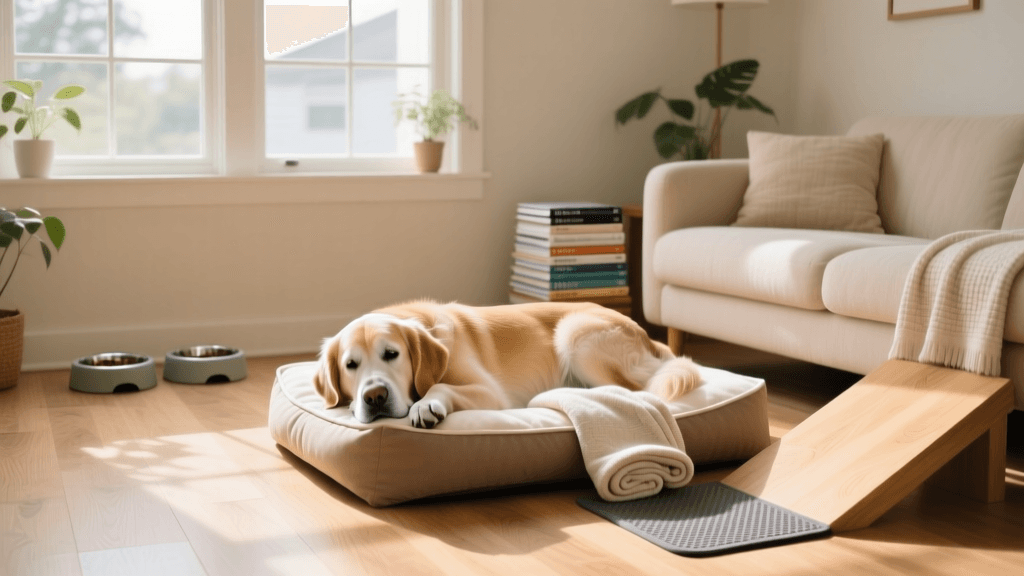
Senior dogs often suffer from morning stiffness due to osteoarthritis, a condition that affects a significant portion of aging canines. Ensure your dog is sleeping on an orthopedic bed, such as the Big Barker Orthopedic Dog Bed (approx. $250) or a budget-friendly Furhaven memory foam mat ($40), which provides crucial pressure relief for aging joints. Before they even stand, spend two minutes gently massaging their hips and shoulders using effleurage—light, gliding strokes that promote blood flow without applying deep pressure to sensitive joints.
7:30 AM - Breakfast and Targeted Supplementation
Metabolism slows down in senior dogs, meaning they require roughly 20% fewer calories but higher-quality, easily digestible proteins. Serve a measured portion of a high-quality senior-specific kibble or a veterinary-approved fresh diet. To ease digestion and increase hydration, add two tablespoons of warm, low-sodium bone broth to their meal.
This is also the ideal time to administer joint and cognitive supplements. A premium glucosamine/chondroitin supplement like Dasuquin Advanced (approx. $65 for 84 count) supports cartilage health. Additionally, incorporate Omega-3 fatty acids, such as Nordic Naturals Omega-3 Pet (approx. $25). The anti-inflammatory properties of EPA and DHA are vital; aim for a combined EPA/DHA dose of about 75-100mg per kilogram of your dog's body weight, but always confirm exact dosages with your veterinarian.
8:30 AM - The Morning 'Sniffari'
Replace high-impact jogging with a 15 to 20-minute 'Sniffari'. This is a slow, dog-led walk where the primary goal is olfactory enrichment rather than physical distance. Sniffing lowers a dog's heart rate and provides immense mental stimulation, which is just as tiring as physical exercise. Use a supportive harness, like the Ruffwear Web Master ($90), which features a sturdy handle to help you gently lift and support your dog over curbs or stairs without straining their spine.
Mid-Day: Cognitive Enrichment and Deep Rest
12:00 PM - Brain Games and Foraging
Canine Cognitive Dysfunction (CCD) is a reality for many aging dogs. The American Kennel Club (AKC) notes that mental enrichment can help slow the progression of cognitive decline. Instead of feeding mid-day treats from a bowl, use foraging tools. A snuffle mat ($20-$30) encourages natural foraging behaviors, while a LickiMat Soother ($12) smeared with plain pumpkin puree and frozen provides a soothing activity. The repetitive act of licking releases endorphins, naturally calming the nervous system and reducing mid-day anxiety.
1:00 PM to 4:00 PM - Uninterrupted Deep Sleep
Older dogs require more sleep, often resting 16 to 18 hours a day. Ensure their daytime resting spot is in a quiet, temperature-controlled area away from household foot traffic. Maintain a consistent indoor temperature between 68°F and 72°F, as senior dogs struggle to regulate their body heat and are more susceptible to both drafts and overheating.
Evening: Digestion, Comfort, and Sleep Hygiene
5:30 PM - Evening Stroll and Physical Therapy
A second, brief 10-minute walk helps maintain muscle tone and aids in digestion before the night. Upon returning, engage in gentle passive range-of-motion (PROM) exercises if recommended by your vet. Slowly and gently flex and extend their hind legs to maintain joint lubrication and flexibility. Never force a joint past its natural resistance.
6:30 PM - Dinner and Environmental Adjustments
Serve the second, slightly smaller meal of the day. Feeding earlier in the evening allows ample time for digestion and a final potty break before bed, reducing the likelihood of nighttime accidents or acid reflux. As the sun sets, practice good sleep hygiene by dimming the lights and reducing household noise. Playing bio-acoustically designed calming music, such as the 'Through a Dog's Ear' series, can significantly lower stress levels and promote deeper sleep.
Comprehensive Senior Dog Daily Schedule
| Time | Activity | Duration | Primary Wellness Benefit |
|---|---|---|---|
| 7:00 AM | Wake Up & Massage | 10 mins | Reduces morning joint stiffness |
| 7:30 AM | Breakfast & Supplements | 15 mins | Nutritional support and joint care |
| 8:30 AM | Morning Sniffari Walk | 20 mins | Low-impact physical and mental exercise |
| 12:00 PM | Foraging & LickiMat | 20 mins | Cognitive stimulation and anxiety relief |
| 1:00 PM | Deep Rest Period | 3 hours | Cellular repair and energy conservation |
| 5:30 PM | Evening Stroll & PROM | 15 mins | Muscle maintenance and joint mobility |
| 6:30 PM | Dinner & Wind Down | 30 mins | Digestion and sleep hygiene preparation |
| 9:00 PM | Final Potty & Bedtime | 10 mins | Bladder management and routine consistency |
Essential Wellness Products and Estimated Costs
Investing in the right equipment can drastically improve your senior dog's quality of life. Here is a breakdown of highly recommended wellness products:
- Orthopedic Dog Bed: Big Barker 7-inch Pillow Top ($240-$300) or Furhaven Orthopedic Sofa ($40-$60). Essential for preventing pressure sores and supporting arthritic joints.
- Pet Ramps and Steps: PetSafe CozyUp Folding Pet Steps ($40). Prevents jumping on and off furniture, which can cause catastrophic spinal or ligament injuries in older dogs.
- Slip-Resistant Rugs: Gorilla Grip Bath Rugs or yoga mats placed over hardwood floors ($20-$50). Provides necessary traction to prevent splaying and hip strain.
- Elevated Food Bowls: Platinum Pets Advantage Diner ($25). Raising bowls 4 to 8 inches off the ground reduces neck strain during meals, though consult your vet regarding bloat risks for deep-chested breeds.
- Support Harness: Ruffwear Web Master ($90) or Help 'Em Up Harness ($130+). Provides safe, ergonomic lifting support for dogs with hind-end weakness.
Adapting to Mobility and Cognitive Changes
No routine should be set in stone. As your dog ages, you must remain observant and adaptable. The American Veterinary Medical Association (AVMA) strongly recommends that senior dogs visit the veterinarian at least twice a year. Because dogs age much faster than humans, a six-month interval allows for the early detection of issues like kidney disease, dental decay, and thyroid imbalances.
If your dog begins to show signs of CCD—such as pacing at night, staring blankly at walls, or getting stuck in corners—adjust your evening routine to include more intense mental enrichment earlier in the day, and discuss anti-anxiety medications or specialized prescription diets (like Hill's Prescription Diet b/d) with your veterinarian. By combining veterinary science with a compassionate, structured daily routine, you can ensure your senior dog's golden years are truly their best years.
marcus-aldridge
All our authors care for dogs every day — read more of their work on the authors page.