The 2026 Cross-Country Moving Guide For Senior Dogs
Discover essential 2026 tips for moving cross-country with a senior dog, including orthopedic travel crates, joint supplements, and vet-approved rest stops.
Moving across the country is a monumental life transition, but when you are sharing your life with a senior dog, the logistics require meticulous planning. As of 2026, advancements in pet travel gear, veterinary telehealth, and EV infrastructure have made cross-country relocations safer and more comfortable for aging canines. However, the physical toll of a multi-day drive on arthritic joints and the cognitive stress of leaving a familiar environment remain significant hurdles. This comprehensive guide outlines the exact steps, 2026-recommended gear, and veterinary protocols to ensure your senior dog arrives at your new home happy, healthy, and ready for their next chapter.
The Unique Challenges of Cross-Country Moves for Senior Dogs
Senior dogs—generally those over the age of seven, though this varies significantly by breed and size—experience decreased mobility, diminished sensory perception, and a much lower threshold for environmental stress. A cross-country move typically involves three to five days of continuous travel, fluctuating temperatures, and heavily disrupted routines. According to the American Veterinary Medical Association (AVMA), older pets are particularly susceptible to travel-induced dehydration, joint stiffness, and gastrointestinal upset. In 2026, with more families opting for electric vehicle (EV) road trips, the frequency of charging stops has increased. While this can be a blessing for bladder control, it also serves as a source of repetitive stress for dogs with canine cognitive dysfunction (CCD) who struggle to adapt to new, noisy environments on a daily basis.
Pre-Move Veterinary Prep and Health Clearances
Four weeks before your departure, schedule a comprehensive 'travel clearance' exam with your veterinarian. This is not just a routine check-up; it is a strategic planning session tailored to your specific route and your dog's medical history.
- Joint and Pain Assessment: Request a thorough mobility evaluation. If your dog is currently on a standard daily NSAID, ask if a fast-acting breakthrough pain medication or a gabapentin protocol is appropriate for the car ride to keep them relaxed and pain-free.
- Microchip and Registry Update: Ensure the microchip is scanned and functional in the clinic. Crucially, update your contact information in the national registry to include your new 2026 address and a secondary emergency contact who is not traveling with you.
- Telehealth Setup: Download and register with a 24/7 veterinary telehealth app. In 2026, platforms like Vetster and Airvet offer cross-state licensed emergency consultations, which are invaluable if your dog experiences a medical crisis in a rural stretch of the Midwest where emergency clinics are hours away.
- Interstate Health Certificates: Many states still require a Certificate of Veterinary Inspection (CVI) issued within 10 days of crossing state lines. Work with your vet to time this paperwork perfectly with your departure date.
The ASPCA strongly recommends carrying both a physical folder and a cloud-based digital copy of your dog's complete medical records, including current prescriptions, allergy alerts, and baseline bloodwork, in case you need to visit an unfamiliar emergency clinic on the road.
Selecting the Right Orthopedic Travel Crate
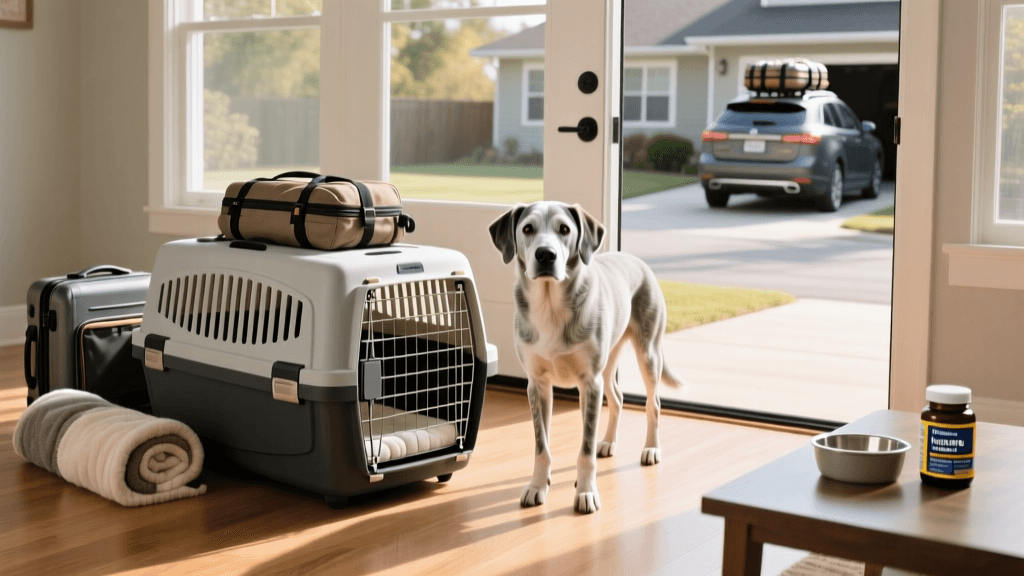
Standard wire crates offer zero shock absorption and can severely exacerbate hip dysplasia and osteoarthritis during a bumpy, multi-day drive. For a 2026 cross-country move, you must invest in a crash-tested, hard-sided travel crate paired with a veterinary-grade orthopedic insert. The crate should be large enough for your dog to stand up without ducking their head and turn around comfortably, but not so massive that they are tossed around during sudden braking or evasive maneuvers.
2026 Orthopedic Travel Crate Comparison
| Brand / Model (2026) | Material & Safety | Orthopedic Add-On | Best For | Approx. Cost |
|---|---|---|---|---|
| Dakota Pro 2026 Elite | Rotomolded plastic, 5-star crash tested | Memory foam base included | Large breeds with severe arthritis | $850 |
| Impact Collapsible Senior | Aluminum, latch-reinforced | Requires aftermarket ortho-pad | Space-conscious SUVs | $620 |
| Gunner G1 2026 Mid-Size | Double-walled polyethylene | Waterproof ortho-liner available | Medium dogs with incontinence | $799 |
Pro Tip: Line the bottom of the crate with a waterproof, washable bed like the Kuranda All-Terrain Chewproof Bed, topped with a familiar, unwashed blanket that smells like your old home. The familiar scent drastically reduces cortisol levels during transit and provides a psychological anchor amidst the chaos of moving.
Managing Joint Pain, Hydration, and Anxiety
The constant vibration of the vehicle, even in modern luxury SUVs with advanced suspension, causes micro-traumas to inflamed joints over a 10-hour driving day. Managing this proactively is the key to a successful move.
- Joint Supplements: Begin a high-quality joint supplement containing UC-II collagen, MSM, and Omega-3s at least three weeks before the move to build up systemic inflammation resistance. In 2026, veterinarian-formulated chews like Dasuquin Advanced with EPI offer faster absorption rates specifically optimized for senior digestive tracts.
- Hydration Strategy: Senior dogs dehydrate quickly in climate-controlled car cabins, which thickens synovial joint fluid and increases pain. Offer a canine-specific electrolyte water enhancer (like K9 Power) every three hours. Use a spill-proof, weighted silicone travel bowl to prevent tipping in the back seat or cargo area.
- Anxiety Management: Avoid heavy chemical sedatives like Acepromazine, which drop blood pressure and impair the dog's ability to brace themselves, increasing fall risk and joint strain. Instead, use an Adaptil Transport 2026 pheromone spray on the crate bedding 15 minutes before loading, combined with a calibrated CBD tincture recommended by your vet to take the edge off without compromising motor function.
Route Planning: EV Pet Parks and Senior Rest Stops
If you are driving an electric vehicle in 2026, route planning has evolved significantly. Networks like Electrify America and Tesla have expanded their 'Pet Relief' Supercharger stations, featuring artificial turf, shaded seating, and waste stations. However, for a senior dog, you must prioritize low-impact rest stops over convenience.
- Avoid Hot and Rough Asphalt: Even in mild weather, pavement can burn aging, thinning paw pads. Use Musher's Secret paw wax before every stop, and stick to grassy perimeters or shaded dirt paths to protect their paws and provide a softer surface for stiff joints.
- Short, Frequent Sniffaris: Instead of one long 30-minute walk that leaves your dog limping, opt for 5-minute 'sniffaris' every two hours. Mental stimulation through sniffing tires out a senior dog and provides bathroom breaks without stressing their physical framework.
- Climate Control Safety: Never leave your senior dog in a turned-off car. In 2026, many EVs feature advanced 'Pet Mode' climate control that maintains a strict 68°F cabin and displays a warning message to passersby on the center console. Always verify your vehicle's battery range can support 4 hours of Pet Mode before stopping in remote areas where chargers might be occupied.
The First 72 Hours in Your New Home
The transition does not end when you unpack the car. The first three days in a new house are critical for preventing anxiety-induced regression, such as house-soiling, refusal to eat, or nighttime pacing.
'Create a safe room before the dog enters the house. Set up their orthopedic bed, water bowl, and familiar toys in a quiet, enclosed space. Let them decompress here for 24 hours before introducing them to the rest of the property. Overstimulation in a new environment is a primary trigger for senior dog anxiety.' — Veterinary Behaviorists, 2026 Canine Mobility Guidelines.
Maintain your exact feeding and walking schedule from your old home. If you walked at 6:00 AM and 5:00 PM previously, do not deviate, even if you are exhausted from unpacking. Consistency is the anchor that keeps a senior dog grounded during a massive life transition. Furthermore, senior dog-proof your new space immediately: place yoga mats or interlocking foam tiles over slippery hardwood floors to prevent catastrophic falls, and set up pet ramps near their favorite sleeping spots or the bed.
Use a white noise machine to drown out unfamiliar neighborhood sounds, which can trigger night-time anxiety in dogs experiencing age-related hearing loss or cognitive decline. The familiar hum of a fan or white noise machine mimics the auditory environment of their previous home, signaling that it is time to rest.
Final Thoughts on Life Transitions
Moving cross-country with a senior dog requires immense patience, premium gear, and a deep understanding of their physical and cognitive limitations. By leveraging 2026's advanced travel crates, telehealth veterinary networks, and strategic route planning, you can transform a potentially traumatic ordeal into a comfortable, bonding journey. Your senior dog has spent their life supporting you through every up and down; this move is your opportunity to support them through one of life's biggest transitions with the care and dignity they deserve.
priya-sutaria
All our authors care for dogs every day — read more of their work on the authors page.