Senior Dog Training: Cognitive Enrichment for Aging Pets
Discover effective cognitive training and enrichment strategies for senior dogs. Learn how to keep your aging pet's mind sharp and engaged daily.
Understanding the Aging Canine Brain
As your beloved dog transitions into their senior years—typically around age seven for large breeds and age ten for smaller breeds—their physical and mental needs undergo significant changes. Just like humans, aging dogs experience neurological shifts that can affect their memory, learning capacity, and sensory perception. According to Washington State University Veterinary Medicine, many older dogs develop Canine Cognitive Dysfunction (CCD), a condition similar to Alzheimer's disease in humans. Symptoms include disorientation, altered sleep-wake cycles, house soiling, and a decreased interest in social interactions.
However, a senior diagnosis or aging process is not an excuse to stop training. In fact, cognitive enrichment is one of the most powerful tools you have to slow mental decline and improve your dog's quality of life. The aging brain retains neuroplasticity—the ability to form new neural connections—well into old age. By introducing targeted, low-impact training routines, you can keep your senior dog's mind sharp, reduce anxiety, and strengthen the bond you share during their golden years.
Why Train a Senior Dog?
Many pet owners mistakenly believe that 'you can't teach an old dog new tricks.' This is a pervasive myth that does a disservice to our aging companions. Training a senior dog is less about obedience and competition, and more about mental stimulation, confidence-building, and relationship maintenance. The American Veterinary Medical Association (AVMA) emphasizes that mental stimulation is a critical component of senior pet care, helping to stave off boredom and depression that often accompanies reduced physical mobility.
According to veterinary behaviorists, mental stimulation can be just as tiring for a dog as physical exercise, making it an essential tool for senior dogs with limited mobility or chronic joint pain.
When a senior dog engages in problem-solving activities, their brain releases dopamine, a neurotransmitter associated with pleasure and reward. This not only keeps them happy but also helps mitigate the frustration they may feel when they can no longer run, jump, or play fetch like they used to.
Top Cognitive Training Exercises for Senior Dogs
When designing a training program for an older dog, you must account for potential physical limitations such as arthritis, vision loss, or hearing impairment. The following exercises are designed to be low-impact, highly rewarding, and easily adaptable to your dog's specific needs.
1. The 'Find It' Scent Game
Scent work is incredibly taxing on a dog's brain and requires zero physical exertion, making it perfect for seniors. The olfactory bulb in a dog's brain is proportionally much larger than in humans, and processing scents provides immense cognitive enrichment.
- Preparation: Use high-value, soft treats that are easy to chew. Zuke's Mini Naturals (approx. $8 per 6oz bag) are excellent because they are small (under 3 calories each) and soft, which is ideal for senior dogs with dental issues.
- Step 1: Start with your dog in a sit-stay or have a family member gently hold them. Place a single treat on the floor in plain sight and say, 'Find it!' Encourage them to eat it and praise enthusiastically.
- Step 2: Gradually increase the difficulty by hiding treats behind furniture legs, under a snuffle mat, or in different rooms.
- Timing & Frequency: Keep sessions short—about 5 to 10 minutes, twice a day. This prevents fatigue while maximizing mental engagement.
2. Interactive Puzzle Toys and Feeders
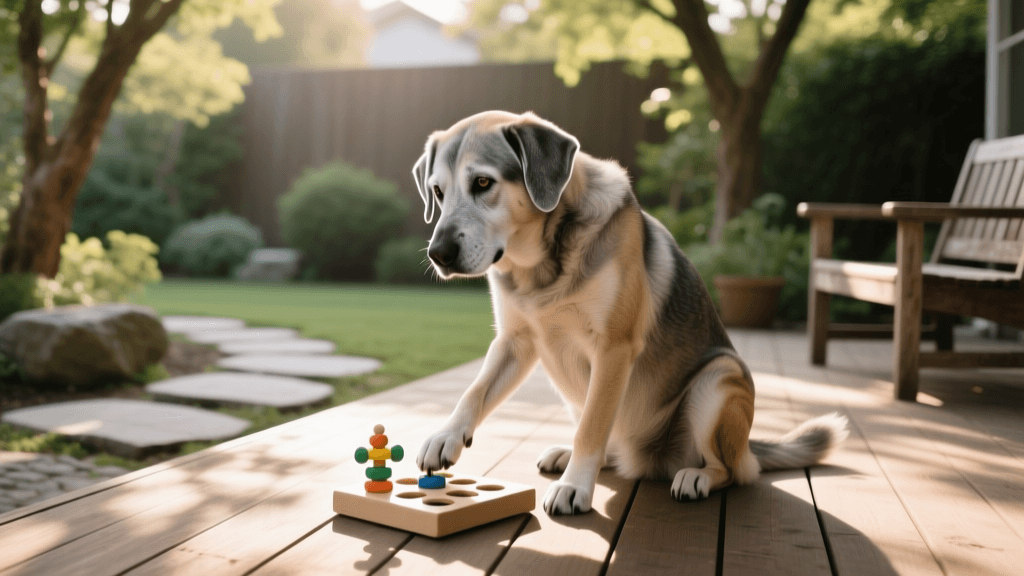
Puzzle toys force your dog to use their paws, nose, and brain to access their food, turning mealtime into a cognitive workout. For senior dogs, choose puzzles that do not require aggressive chewing or excessive physical force.
- Product Recommendation: The Nina Ottosson Dog Brick Interactive Puzzle (approx. $29.99) is a fantastic intermediate-level toy. It features sliding blocks and flip lids that require gentle nudging and pawing.
- Setup: Fill the compartments with your dog's daily kibble allocation or a soft paste like plain pumpkin puree. If your dog has arthritis in their neck or spine, elevate the puzzle toy on a sturdy box or use an elevated feeder stand to prevent them from having to bend down painfully.
- Cleaning: Wash the toy with warm, soapy water after every use to prevent bacterial buildup, which is especially important for aging immune systems.
3. Low-Impact Target Training
Target training teaches your dog to touch a specific object (like your hand or a target stick) with their nose. This is highly useful for guiding a senior dog with fading vision or hearing without having to pull on their leash or collar.
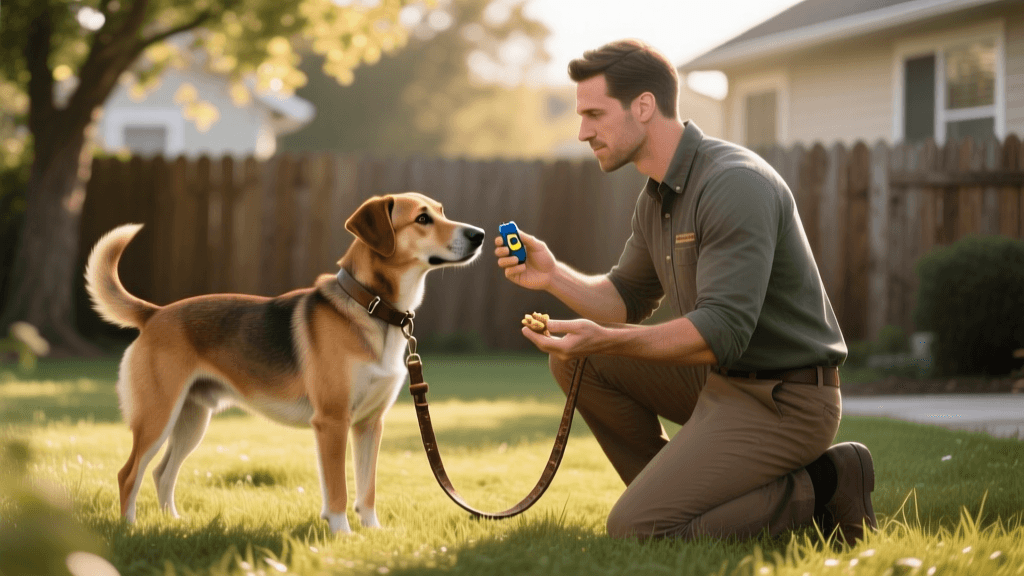
- Step 1: Hold your open palm about two inches from your dog's nose. The moment they sniff or bump your hand, click a clicker (or use a verbal marker like 'Yes!') and give a treat.
- Step 2: Add the verbal cue 'Touch' right before they move their head.
- Step 3: Slowly move your hand further away, encouraging them to take a step or two to reach it. This promotes gentle, controlled movement that maintains joint mobility without the high impact of jumping or running.
Daily Enrichment Schedule for Senior Dogs
Consistency is key when caring for an aging pet. Below is a structured daily schedule that balances cognitive training, physical comfort, and rest. This routine ensures your dog receives adequate mental stimulation without becoming overstimulated or exhausted.
| Time of Day | Activity | Duration | Primary Benefit |
|---|---|---|---|
| Morning (8:00 AM) | Snuffle Mat Breakfast | 15 mins | Olfactory stimulation and slow feeding |
| Mid-Day (12:00 PM) | 'Find It' Scent Game | 5-10 mins | Memory recall and problem-solving |
| Afternoon (3:00 PM) | Gentle Target Training | 5 mins | Focus, bonding, and low-impact movement |
| Evening (6:00 PM) | KONG Senior Puzzle Toy | 20 mins | Soothing enrichment and jaw exercise |
| Night (8:00 PM) | Canine Massage & Brushing | 10 mins | Tactile bonding and circulation improvement |
Adapting Training for Physical Limitations
As your dog ages, you must adapt your training environment to accommodate their changing body. The American Kennel Club (AKC) notes that sensory decline is a normal part of aging, and adjusting your communication style is vital for successful training.
Vision and Hearing Loss
If your dog is developing cataracts or experiencing age-related hearing loss, rely heavily on scent-based games and tactile cues. Use a distinct scent (like a drop of dog-safe lavender essential oil on a cotton ball) to mark their bed or food bowl. For hearing-impaired dogs, switch from verbal cues to clear, exaggerated hand signals or use a gentle vibration collar (not a shock collar) to get their attention before initiating a training game.
Arthritis and Joint Pain
Never ask a senior dog with osteoarthritis to perform tricks that require sitting on hard floors, jumping, or balancing on their hind legs. Invest in orthopedic support, such as a Kuranda Elevated Dog Bed (approx. $120), which provides joint relief and makes it easier for them to stand up after a training session. Always conduct training on non-slip surfaces like yoga mats or carpet runners to prevent painful slips and falls.
Supplements and Diet for Brain Health
Cognitive training is most effective when paired with proper nutritional support for the aging brain. Diets rich in antioxidants, Omega-3 fatty acids, and Medium Chain Triglycerides (MCTs) have been shown to improve cognitive function in older dogs.
- Specialized Diets: Consider transitioning to a brain-health-specific formula, such as Purina Pro Plan Bright Mind Adult 7+ (approx. $65 for a 30lb bag). This food utilizes MCTs from botanical oils to provide an alternative energy source for aging brain cells.
- Supplements: Consult your veterinarian about adding a high-quality fish oil supplement (aiming for at least 1000mg of EPA/DHA per day for a 50lb dog) to reduce neuro-inflammation. Additionally, coconut oil can be used as a natural source of MCTs; start with a conservative dose of 1/4 teaspoon per 10 pounds of body weight daily to avoid gastrointestinal upset.
Conclusion
Training a senior dog is a deeply rewarding endeavor that honors the years of companionship they have given you. By shifting your focus from physical obedience to cognitive enrichment, you can help your aging pet navigate their golden years with confidence, joy, and mental clarity. Remember to be patient, keep sessions short and positive, and always prioritize their physical comfort. Through scent games, puzzle toys, and targeted brain exercises, you can ensure that your senior dog's mind remains as vibrant and loving as the day you first brought them home.
priya-sutaria
All our authors care for dogs every day — read more of their work on the authors page.