How Gut Health and Nutrition Influence Canine Behavior
Discover how the canine gut-brain axis impacts behavior and anxiety. Learn actionable nutrition tips, probiotic strains, and diets to calm your dog.
The Hidden Link Between Your Dog's Belly and Brain
When we think of canine behavior problems—such as sudden reactivity on walks, separation anxiety, hyperactivity, or unexplained lethargy—our first instinct is often to look at training, environment, or past trauma. However, as a senior dog behaviorist and nutrition advocate, I frequently encounter cases where the root cause of psychological distress is not in the dog's mind, but in their microbiome. Welcome to the fascinating, science-backed world of the canine gut-brain axis.
For decades, canine psychology and veterinary nutrition were treated as entirely separate fields. Today, we know that understanding your dog requires a holistic approach. The food your dog eats directly dictates the chemical signals sent to their brain, influencing everything from their ability to learn new commands to their baseline anxiety levels. In this deep dive, we will explore how gut health influences canine behavior and provide actionable, specific nutritional strategies to help your dog achieve a calmer, more balanced state of mind.
Understanding the Canine Gut-Brain Axis
The gut-brain axis is a bidirectional communication network that links the enteric nervous system (the nervous system of the gastrointestinal tract) with the central nervous system (the brain and spinal cord). In dogs, this communication happens primarily through the vagus nerve, the immune system, and microbial metabolites like short-chain fatty acids (SCFAs).
One of the most critical factors in this relationship is serotonin. Often called the 'happy hormone,' serotonin regulates mood, sleep, and digestion. Remarkably, up to 90% of the body's serotonin is produced in the gut, not the brain. If your dog's gut microbiome is imbalanced—a condition known as dysbiosis—serotonin production can plummet, leading to increased fear responses, noise phobias, and an inability to settle.
According to the American Kennel Club (AKC), maintaining a healthy balance of intestinal flora is essential not just for physical digestion, but for overall well-being and behavioral stability. When bad bacteria overgrow due to poor diet, stress, or antibiotic use, they release inflammatory cytokines that cross the blood-brain barrier, causing neuroinflammation. This physical inflammation manifests as behavioral reactivity.
Signs Your Dog's Behavior is Linked to Gut Health
How do you know if your dog's behavioral issues are rooted in their gut? While a veterinary behaviorist should always rule out medical conditions first, look for these overlapping signs of gut-brain distress:
- Reactivity and Impulsivity: Dogs with gut inflammation often have a shorter 'fuse' and struggle with impulse control, lunging at triggers they might otherwise ignore.
- Separation Anxiety: Inability to self-soothe when left alone, often accompanied by stress-induced diarrhea, vomiting, or destructive chewing.
- Lethargy and Brain Fog: Difficulty learning new cues or retaining obedience training, appearing 'checked out,' depressed, or chronically fatigued.
- Physical Symptoms: Chronic ear infections, itchy paws, loose stools, or excessive flatulence occurring simultaneously with sudden behavioral shifts.
Actionable Nutrition Strategies for a Calmer Dog
To support your dog's psychological health, we must actively cultivate a microbiome that promotes the production of calming neurotransmitters. Here are specific, measurable interventions you can implement today.
1. Targeted Probiotic Supplementation
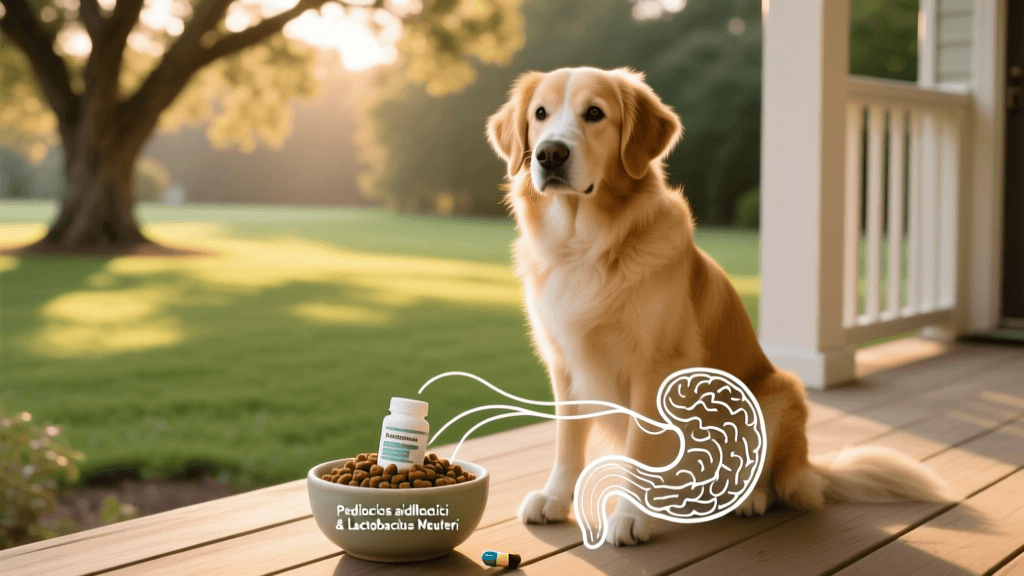
Not all probiotics are created equal. While generic multi-strain powders support general digestion, specific strains have been clinically shown to impact behavior. The most researched strain for canine anxiety is Bifidobacterium longum BL999.
| Probiotic Strain | Primary Behavioral Benefit | Recommended Product Example | Estimated Cost & Dosage |
|---|---|---|---|
| Bifidobacterium longum BL999 | Reduces anxiety, barking, and pacing | Purina Pro Plan Veterinary Supplements Calming Care | ~$45 for 30 packets (1 packet/day) |
| Lactobacillus rhamnosus GG | Lowers stress-induced cortisol and GI upset | Zesty Paws Probiotic Bites | ~$28 for 90 chews (1-2 chews/day based on weight) |
| Bacillus coagulans | Improves gut integrity and mood stability | Animal Essentials Plant Enzymes & Probiotics | ~$32 per bottle (1/4 tsp per 20 lbs of body weight) |
2. Incorporating Omega-3 Fatty Acids (EPA and DHA)
Omega-3 fatty acids are potent anti-inflammatories that protect the brain from neuroinflammation caused by gut dysbiosis. Eicosapentaenoic acid (EPA) and docosahexaenoic acid (DHA) are vital for maintaining the structural integrity of brain cells and facilitating neurotransmitter function.
Actionable Advice: Add a high-quality, wild-caught salmon oil to your dog's daily meals. Look for a product like Nordic Naturals Omega-3 Pet (approx. $25 per bottle). The therapeutic dose for behavioral support is higher than the maintenance dose. Aim for 50-75 mg of combined EPA/DHA per kilogram of your dog's body weight daily. For a 20 kg (44 lb) dog, this means roughly 1,000 to 1,500 mg of EPA/DHA per day. Always store fish oil in the refrigerator to prevent oxidation, which can actually cause cellular damage and worsen inflammation.
3. Feeding the Microbiome with Prebiotics
Probiotics are the live bacteria; prebiotics are the fiber that feeds them. Without prebiotics, supplemented probiotics may not survive the journey through the harsh acids of the digestive tract. Plain, canned pumpkin (not pie filling) is an excellent, affordable source of soluble fiber. Add 1 teaspoon per 10 lbs of body weight to your dog's morning meal. This costs less than $3 a can and promotes the production of SCFAs, which directly signal the brain to reduce stress.
Foods to Avoid: The Inflammation Triggers
You cannot supplement your way out of a poor diet. Many commercial kibbles are loaded with high-glycemic carbohydrates, artificial preservatives, and low-quality fillers that trigger systemic inflammation. When evaluating your dog's food, refer to the FDA's guide on understanding pet food labels to ensure you are reading the ingredient list correctly. The ingredient list is ordered by weight, meaning that if water-heavy meats are listed first, the actual protein content might be lower than it appears once the moisture is removed during the kibble extrusion process. Look for named meat meals (like 'chicken meal' or 'salmon meal') which provide concentrated, bioavailable amino acids necessary for neurotransmitter synthesis.
Avoid diets where corn syrup, sucrose, or generic 'meat by-products' are listed in the top five ingredients. Furthermore, ensure the diet meets the rigorous standards set by the World Small Animal Veterinary Association (WSAVA). Diets that lack proper nutritional adequacy testing can lead to micronutrient deficiencies that directly impair neurological function, such as a lack of B-vitamins or magnesium, both of which are essential for nervous system regulation and stress management.
'Behavior is the language of the body. When a dog's gut is inflamed, their reactivity is simply a symptom of internal biological discomfort. We must treat the gut to heal the mind.'
A Sample Gut-Brain Supportive Daily Routine
Consistency is key when attempting to alter the microbiome and, by extension, behavior. Here is a structured daily routine designed to maximize gut-brain health:
- 7:00 AM (Breakfast): Serve a high-protein, moderate-fat, low-glycemic meal. Mix in 1 packet of B. longum BL999 probiotic and 1 tsp of plain pumpkin puree per 10 lbs of body weight.
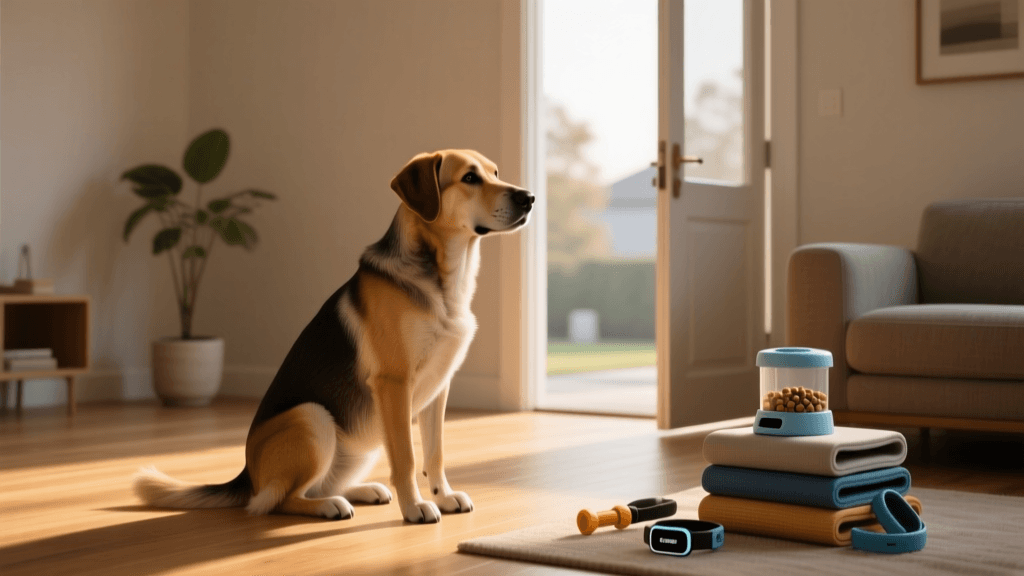
- 10:00 AM (Enrichment): Provide 15 minutes of mental enrichment (snuffle mat or lick mat). Licking releases endorphins, while the mental stimulation promotes healthy neural pathways without physical overexertion.
- 1:00 PM (Omega-3 Treat): Offer a sardine (packed in water, no salt added) or a measured dose of refrigerated salmon oil over a small training snack.
- 6:00 PM (Dinner): Serve the evening meal. If using a separate Omega-3 liquid supplement, add it now (fats should be given with food to maximize absorption and prevent nausea).
- 8:00 PM (Decompression): A slow, 20-minute 'sniffari' walk. Sniffing lowers a dog's heart rate and allows the gut-brain axis to process environmental stimuli in a low-stress, grounding state.
Conclusion: Patience and Observation
Understanding your dog means recognizing them as a complex biological system where nutrition and psychology are inextricably linked. Modifying the gut-brain axis is not an overnight fix. It typically takes 4 to 8 weeks of consistent nutritional support to see significant shifts in behavior as the microbiome repopulates and neuroinflammation subsides. Keep a daily journal of your dog's reactivity levels, stool quality, and sleep patterns to track progress objectively.
Every dog's microbiome is as unique as their fingerprint. What works for a reactive German Shepherd might not yield the exact same results for an anxious Greyhound. Therefore, observation and a willingness to adjust are your best tools. By combining force-free behavioral training with targeted, science-backed nutritional deep dives, you can help your dog achieve a profound sense of calm, emotional balance, and overall vitality.
beth-carrasco
All our authors care for dogs every day — read more of their work on the authors page.