Senior Dog Care Guide: Nutrition, Mobility, and Health
Discover essential senior dog care tips covering nutrition, joint mobility, and cognitive health to keep your aging canine companion happy and thriving.
Understanding the Senior Life Stage
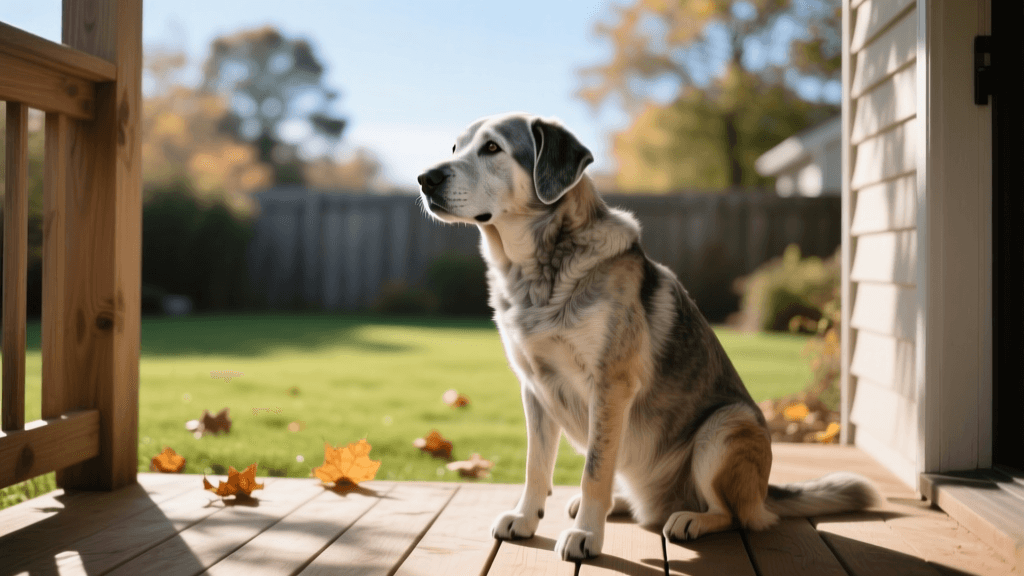
Welcome to the Paws-Tales Life Stage Care Guide series. Aging is not a disease, but rather a natural life stage that requires proactive, tailored management to ensure your dog's golden years are truly golden. According to the American Animal Hospital Association (AAHA), dogs generally enter their senior years during the last 25% of their expected lifespan. Because size and breed heavily influence longevity, the exact age at which your dog becomes a senior varies significantly.
Breed Size and Senior Milestones
- Small Breeds (under 20 lbs): Typically considered seniors at 10 to 12 years of age. Examples include Chihuahuas, Pomeranians, and Toy Poodles.
- Medium Breeds (20-50 lbs): Usually reach senior status around 8 to 10 years. Examples include Beagles, Cocker Spaniels, and French Bulldogs.
- Large Breeds (50-90 lbs): Often enter their senior years between 7 and 9 years. Examples include Labrador Retrievers, Golden Retrievers, and German Shepherds.
- Giant Breeds (over 90 lbs): May be considered seniors as early as 5 to 7 years. Examples include Great Danes, Mastiffs, and Saint Bernards.
Recognizing these milestones is the first step in transitioning your dog's healthcare, nutrition, and daily routine to meet their evolving needs.
Nutritional Adjustments for Aging Dogs
As dogs age, their metabolic rate slows down, and their activity levels often decrease. This combination makes senior dogs highly susceptible to obesity, which places undue stress on aging joints and internal organs. Conversely, some senior dogs experience muscle wasting (sarcopenia) and unintended weight loss due to underlying conditions or decreased nutrient absorption.
Caloric and Protein Needs
Most senior dogs require a diet that is lower in calories but higher in high-quality, easily digestible protein to maintain lean muscle mass. Look for senior-specific formulas that contain controlled levels of phosphorus and sodium to support kidney and heart health. Premium options like Hill’s Science Diet Adult 7+ or Purina Pro Plan Bright Mind Adult 7+ are scientifically formulated for aging canines. Expect to spend between $60 and $90 for a 30-pound bag, which typically lasts six to eight weeks for a medium-sized dog.
Targeted Supplementation
Omega-3 fatty acids, specifically EPA and DHA, are critical for reducing systemic inflammation and supporting brain health. Adding a high-quality wild Alaskan salmon oil, such as Grizzly Salmon Plus (approximately $25 per bottle), to your dog's daily meals can yield noticeable improvements in coat quality and joint stiffness within four to six weeks.
Protecting Mobility and Joint Health
Osteoarthritis is one of the most common and debilitating conditions in senior dogs, affecting up to 80% of canines over the age of 8. The ASPCA emphasizes that while you should keep your senior dog active, the type of exercise must be modified to prevent joint trauma.
Exercise Modifications
Swap high-impact games of fetch or long-distance running for low-impact activities. 'Sniffaris' (scent-focused walks at the dog's pace) and swimming are excellent alternatives that provide mental stimulation and cardiovascular benefits without pounding the joints. Aim for two 15-minute walks daily rather than one exhaustive 45-minute hike.
Home Modifications and Gear
Investing in your home environment can drastically improve your senior dog's quality of life:
- Orthopedic Beds: Memory foam or supportive foam beds are essential. The Big Barker 7-inch Pillow Top Orthopedic Dog Bed ($250-$300) offers clinical-grade joint support, while budget-friendly options like Furhaven Memory Foam Mats ($40-$60) provide decent relief for smaller breeds.
- Pet Ramps and Stairs: Prevent spinal and joint injuries by eliminating the need to jump into SUVs or onto couches. The PetSafe Happy Ride Folding Pet Ramp ($70-$90) is lightweight and easy to store.
- Non-Slip Rugs: Hardwood and tile floors can be terrifying and dangerous for dogs with weakened hind legs. Use interlocking foam mats or rubber-backed runner rugs ($30-$50) in high-traffic areas.
Veterinary Pain Management
Beyond over-the-counter supplements like Dasuquin Advanced ($50-$65 per month), modern veterinary medicine offers groundbreaking treatments for canine osteoarthritis. Monoclonal antibody therapies, such as Librela (bedinvetmab), provide targeted nerve growth factor (NGF) inhibition, offering profound pain relief with minimal side effects. Monthly Librela injections typically cost between $150 and $300, depending on your dog's weight, and can be life-changing for severe arthritis cases.
Cognitive Health and Canine Cognitive Dysfunction (CCD)
Just as humans can develop dementia, older dogs are at risk for Canine Cognitive Dysfunction (CCD). The Cornell University College of Veterinary Medicine outlines the DISHAA acronym to help owners identify early signs of cognitive decline:
- Disorientation (wandering aimlessly, getting stuck in corners)
- Interactions altered (withdrawal from family, irritability)
- Sleep-wake cycle changes (pacing at night, sleeping all day)
- House soiling (forgetting housetraining rules)
- Activity changes (decreased exploration, repetitive behaviors)
- Anxiety (newfound fears of loud noises or being left alone)
If you notice these signs, consult your veterinarian immediately. Medications like Selegiline (Anipryl) and specialized diets rich in medium-chain triglycerides (MCTs), such as Purina NeuroCare, can help manage symptoms. At home, keep your dog's brain active with low-stress puzzle toys. The Outward Hound Dog Brick Puzzle ($15) or a soft Kong Senior ($12) filled with low-calorie treats can provide vital mental enrichment without requiring intense physical exertion.
Dental Health and Systemic Wellness
Dental disease is not just a cosmetic issue; it is a systemic threat. Chronic periodontal disease in senior dogs allows oral bacteria to enter the bloodstream, potentially damaging the heart valves, liver, and kidneys. Senior dogs often require more frequent dental interventions. While a routine adult dental cleaning might cost $400, senior dental procedures often require comprehensive pre-anesthetic bloodwork, IV fluid support, and potential extractions, pushing the cost to $800-$1,500 or more. Daily brushing with enzymatic pet toothpaste and using Veterinary Oral Health Council (VOHC) approved water additives like Oratene ($15) are critical preventive measures.
Preventive Veterinary Care: Adult vs. Senior Schedule
Transitioning from an adult to a senior care schedule means increasing the frequency of veterinary oversight. Early detection of diseases like chronic kidney disease (CKD), hypothyroidism, and neoplasia (cancer) is paramount. Below is a comparison of recommended care routines and estimated out-of-pocket costs.
| Care Aspect | Adult Dog Routine (1-7 Years) | Senior Dog Routine (7+ Years) | Estimated Senior Cost |
|---|---|---|---|
| Wellness Exams | Annually | Bi-Annually (Every 6 Months) | $60 - $90 per visit |
| Bloodwork (CBC & Chem Panel) | Every 2-3 Years | Annually or Bi-Annually | $120 - $180 |
| Urinalysis | As needed | Annually (Crucial for Kidney/UTI) | $40 - $70 |
| Thyroid Screening | Rarely needed | Annually | $50 - $80 |
| Dental Assessment | Annual check, clean as needed | Every 6 months, proactive cleaning | $500 - $1,200+ |
| Imaging (X-Rays/Ultrasound) | Only if injured/sick | Baseline chest/abdominal X-rays annually | $250 - $450 |
Creating a Comfortable and Accessible Environment
Beyond joint support, aging dogs often experience sensory decline, including vision loss (such as nuclear sclerosis or cataracts) and hearing impairment. To help a visually impaired dog navigate, avoid rearranging your furniture and use scent markers—like a drop of dog-safe essential oil on doorframes—to help them map their environment. For hearing-impaired dogs, switch from verbal commands to hand signals and use gentle vibrations, like stomping on the floor, to wake them up without startling them.
Additionally, consider raising your dog's food and water bowls. Elevated feeders ($20-$40) reduce the strain on the neck and shoulders, making mealtime more comfortable for dogs with spinal arthritis or megaesophagus.
Conclusion
Caring for a senior dog is a profound privilege that requires patience, observation, and a willingness to adapt. By adjusting their nutritional profile, investing in joint and cognitive support, and adhering to a rigorous bi-annual veterinary schedule, you can significantly enhance your dog's healthspan. The goal of senior care is not merely to add years to their life, but to add life to their years, ensuring your loyal companion remains comfortable, engaged, and deeply loved throughout their golden era.
priya-sutaria
All our authors care for dogs every day — read more of their work on the authors page.