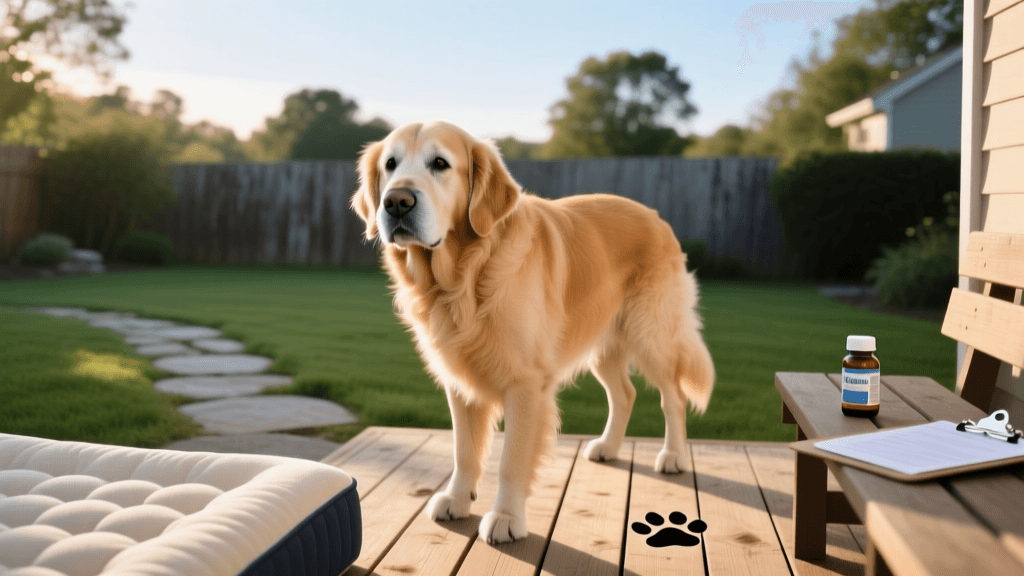
Senior Dog Care Guide: Nutrition, Joints, and Cognitive Health
Discover essential senior dog care tips for ages 8+. Learn about joint supplements, cognitive health, and tailored nutrition to keep your aging dog thriving.
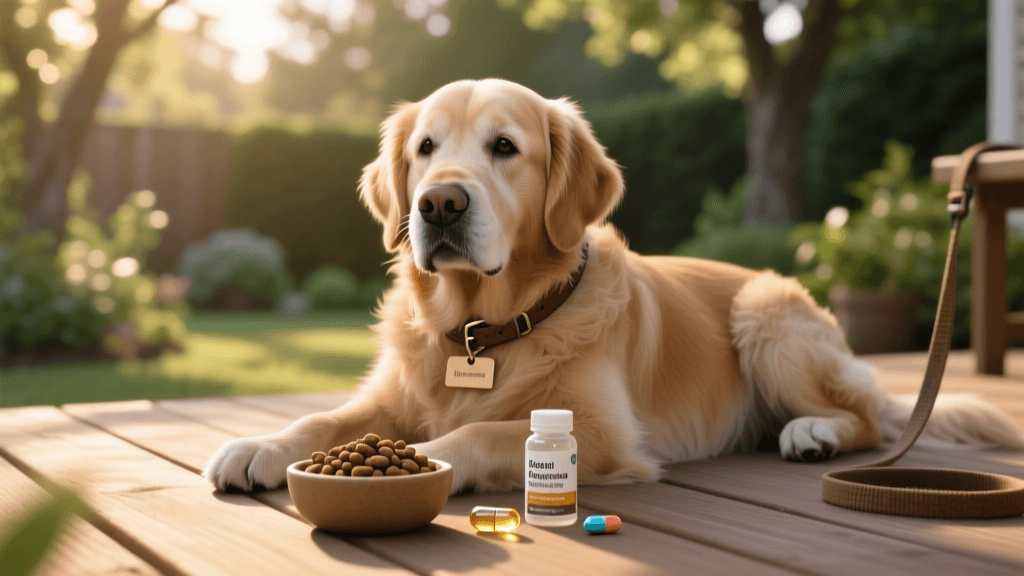
Understanding the Senior Life Stage in Dogs
Caring for a senior dog is one of the most rewarding yet demanding phases of pet ownership. As your faithful companion enters their golden years, their physiological needs shift dramatically. However, the term 'senior' is not a one-size-fits-all designation. According to the American Animal Hospital Association (AAHA), a dog's transition into their senior years depends heavily on their breed and adult body weight. Small breed dogs (under 20 lbs) may not show signs of aging until they are 10 to 12 years old, whereas giant breeds (over 90 lbs) can enter their senior life stage as early as 5 to 6 years of age. Medium and large breeds typically cross the senior threshold around 7 to 8 years old.
During this life stage, metabolic rates slow down, muscle mass naturally decreases, and the risk for chronic conditions such as osteoarthritis, renal disease, and canine cognitive dysfunction (CCD) increases significantly. Proactive, life-stage-specific care is essential to ensure your dog remains comfortable, mobile, and mentally sharp.
Nutritional Shifts for Aging Dogs
One of the most common misconceptions about senior dog care is that all older dogs need a low-protein 'senior diet.' In reality, unless a dog has specific renal or hepatic issues, older dogs actually require highly digestible, high-quality protein to prevent sarcopenia (age-related muscle loss). The Tufts University Cummings Veterinary Medical Center notes that many commercial senior diets vary wildly in their caloric density and protein content, meaning there is no single standardized 'senior' nutrient profile mandated by the Association of American Feed Control Officials (AAFCO).
When selecting a diet, focus on the following actionable nutritional adjustments:
- Caloric Management: Senior dogs typically require 10% to 20% fewer calories than their younger adult counterparts due to decreased activity levels. Overfeeding leads to obesity, which exacerbates joint pain.
- Omega-3 Fatty Acids: Look for foods rich in EPA and DHA (found in fish oil or algae). Aim for a combined EPA/DHA dose of roughly 100 mg per 10 lbs of body weight daily to support joint and brain health.
- Targeted Formulations: Consider diets specifically formulated for aging brains, such as Purina Pro Plan Bright Mind, which utilizes medium-chain triglycerides (MCTs) as an alternative energy source for the brain, or Hill's Science Diet Youthful Vitality, which includes a proprietary blend of antioxidants and botanical oils.
Expect to spend between $50 and $90 per month on high-quality senior-specific kibble or wet food, depending on your dog's size.
Joint Health and Mobility Support
Osteoarthritis (OA) is the most common chronic condition in older dogs, affecting up to 80% of dogs over the age of 8. Signs of joint degradation include reluctance to jump into the car, stiffness after resting, 'bunny-hopping' on the hind legs, and generalized irritability. While joint damage cannot be entirely reversed, it can be effectively managed through a combination of weight control, physical therapy, and targeted nutraceuticals.
When selecting a joint supplement, look for products containing Glucosamine Hydrochloride, Chondroitin Sulfate, and ASU (Avocado/Soybean Unsaponifiables). Below is a comparison of three top-tier joint supplements frequently recommended by veterinary orthopedic specialists:
| Product Name | Key Active Ingredients | Best For | Estimated Cost (60-Day Supply) |
|---|---|---|---|
| Dasuquin Advanced | Glucosamine, Chondroitin, ASU, Boswellia, Turmeric | Dogs with moderate to severe OA or post-surgical recovery. | $55 - $75 |
| Cosequin DS Plus MSM | Glucosamine, Chondroitin, MSM (Methylsulfonylmethane) | Mild to moderate joint stiffness and general mobility maintenance. | $35 - $45 |
| VetriScience GlycoFlex Plus | Green Lipped Mussel, Glucosamine, MSM, DMG | Active senior dogs needing natural anti-inflammatory support. | $40 - $55 |
Dosage Tip: Most joint supplements require a 'loading dose' for the first 4 to 6 weeks (usually double the standard daily amount) to build up therapeutic levels in the synovial fluid, followed by a maintenance dose. Always administer these supplements with food to maximize absorption.
Canine Cognitive Dysfunction (CCD)
Canine Cognitive Dysfunction is the dog equivalent of Alzheimer's disease in humans. It is estimated that over 50% of dogs over the age of 11 exhibit at least one clinical sign of CCD. Veterinarians use the acronym DISHA to help owners identify the symptoms:
- D - Disorientation: Wandering aimlessly, getting stuck behind furniture, or staring blankly at walls.
- I - Interaction Changes: Clinginess, uncharacteristic aggression, or withdrawal from family members.
- S - Sleep-Wake Cycle Alterations: Pacing and panting at night while sleeping heavily during the day.
- H - House-Soiling: Forgetting previously learned house-training rules and urinating indoors without signaling to go out.
- A - Activity Changes: Decreased exploration, lack of response to familiar cues, or repetitive behaviors like excessive licking.
If you notice these signs, consult your veterinarian to rule out metabolic causes like urinary tract infections or vision loss. For confirmed CCD, interventions include prescription medications like Selegiline (Anipryl), environmental enrichment (food puzzles, snuffle mats), and dietary supplementation with MCT oil. Start MCT oil at 1/4 teaspoon per 10 lbs of body weight, gradually increasing to 1 teaspoon daily over a month to avoid gastrointestinal upset.
Preventive Veterinary Care and Screenings
The American Kennel Club (AKC) and the AAHA strongly recommend that senior dogs transition from annual to bi-annual veterinary wellness exams. Because dogs age much faster than humans, a six-month gap between visits is equivalent to a human going several years without a physical.
A comprehensive senior wellness panel should include:
- Complete Blood Count (CBC) and Chemistry Panel: To monitor liver enzymes, kidney values (BUN, Creatinine, SDMA), and blood glucose.
- Urinalysis: Crucial for early detection of kidney disease, diabetes, and subclinical urinary tract infections. Cost: $40 - $60.
- Thyroid Testing (Total T4):strong> Hypothyroidism is common in older dogs and can mimic signs of cognitive decline and lethargy.
- Blood Pressure Measurement: Hypertension is often secondary to kidney or thyroid disease and can cause sudden blindness or neurological issues.
Budget approximately $200 to $350 per visit for a comprehensive senior blood panel and exam. Early detection of conditions like chronic kidney disease (CKD) can add years to your dog's life through simple dietary and hydration adjustments.
Home Modifications for Senior Comfort
Adapting your home environment is just as critical as medical care. Aging dogs lose their grip on hard surfaces and struggle with impact on their joints. Implement these cost-effective home modifications immediately:
- Orthopedic Bedding: Invest in a high-density foam bed that will not flatten over time. The Big Barker 7-inch Pillow Top Orthopedic Dog Bed (approx. $250) is clinically shown to reduce joint pain and improve mobility in large breed seniors.
- Non-Slip Surfaces: Place interlocking foam puzzle mats or inexpensive non-slip rubber rug runners in high-traffic areas and hallways to prevent splaying and hip injuries.
- Elevated Bowls: Raise food and water bowls to chest height to reduce neck strain and aid in esophageal motility. Ensure the stand is heavy and tip-proof.
- Pet Ramps and Stairs: Stop allowing your senior dog to jump onto beds or into SUVs. Use a foldable ramp, such as the PetSafe Happy Ride Folding Pet Ramp (approx. $70), to protect their spine and hindquarters from impact trauma.
Hydration and Dental Care
Finally, senior dogs are highly prone to chronic dehydration, which accelerates kidney decline. Because older dogs may have a diminished thirst drive, you must proactively manage their water intake. Add low-sodium bone broth to their meals, switch to a canned food diet (which contains up to 75% moisture compared to 10% in kibble), or use a circulating pet water fountain to encourage drinking.
Dental disease is another silent killer in the senior life stage. Bacteria from periodontal disease can enter the bloodstream and damage the heart valves and kidneys. If your dog is no longer a candidate for professional dental scaling under anesthesia due to underlying health risks, utilize daily enzymatic toothpastes (like Virbac C.E.T.) and veterinary-approved dental chews to slow plaque accumulation.
Embracing the senior life stage requires a shift from reactive treatment to proactive management. By tailoring your dog's nutrition, supporting their joints, stimulating their aging brain, and modifying their environment, you can ensure their twilight years are lived with dignity, comfort, and joy.
beth-carrasco
All our authors care for dogs every day — read more of their work on the authors page.