Progressive Joint Mobility Plan for Senior Dogs with Arthritis
Discover a step-by-step progressive training and mobility plan to manage arthritis in senior dogs, improving joint health and quality of life.

Understanding Canine Osteoarthritis and the Need for Progression
Canine osteoarthritis (OA) is a degenerative joint disease that affects an estimated 20% to 25% of all dogs, with the prevalence skyrocketing in senior and large-breed populations. As protective cartilage wears away, bone-on-bone friction causes chronic pain, stiffness, and a profound reluctance to move. However, complete rest is actually detrimental to joint health. According to the American Veterinary Medical Association (AVMA), controlled, progressive exercise is vital for maintaining muscle mass, which in turn supports and stabilizes compromised joints.
Many well-meaning owners make the mistake of either overexerting their arthritic dogs on weekends or restricting movement entirely during the week. The solution is a structured Training Progression Plan. This plan transitions your dog through four distinct phases, focusing on pain management, low-impact mobility, active strengthening, and lifelong maintenance.
Phase 1: Foundation, Pain Management, and Environment (Weeks 1-4)
Before initiating any physical training progression, you must establish a pain-free baseline and optimize your dog's living environment. If your dog is in pain, they will develop compensatory movement patterns that can lead to secondary spinal or muscular injuries.
Environmental Modifications
- Orthopedic Support: Invest in a high-density orthopedic bed, such as the Big Barker 7-inch Orthopedic Dog Bed (approx. $250-$300). Standard beds flatten out quickly and fail to relieve pressure on the hips and elbows.
- Accessibility Ramps: Eliminate jumping entirely. Use the PetSafe CozyUp Folding Pet Ramp (approx. $40-$60) for vehicle entry and sofa access. Jumping down from heights generates impact forces up to three times a dog's body weight upon landing.
- Floor Traction: Slippery hardwood floors are a major hazard. Lay down interlocking foam puzzle mats or non-slip area rugs in high-traffic zones to prevent splaying and micro-tears in the joint capsules.
Veterinary Pain Protocols
Work closely with your veterinarian to establish a multimodal pain management strategy. This may include prescription NSAIDs, Gabapentin, or Librela (bedinvetmab), a monthly monoclonal antibody injection specifically targeting nerve growth factor (NGF) associated with OA pain. Always consult the WSAVA Global Pain Council guidelines for the latest multimodal pain management protocols to ensure your dog is comfortable enough to begin physical therapy.
Phase 2: Controlled Low-Impact Mobility (Weeks 5-8)
Once pain is adequately managed, we begin the physical progression. The goal here is not cardiovascular exhaustion, but rather synovial fluid stimulation. Synovial fluid lubricates the joints, and it is only released through gentle, consistent movement.
The 5-Minute Rule
Replace one long 30-minute walk with three 5-to-10-minute leash walks spread throughout the day. Keep the leash short to prevent sudden lunging, sniffing pulls, or sprinting, which can cause acute inflammatory flare-ups.
Surface Selection
Avoid concrete and asphalt. Opt for flat, even grass or packed dirt trails. If walking indoors, use a carpeted hallway. The slight give of natural surfaces reduces concussive forces on the carpal (wrist) and tarsal (ankle) joints.
Passive Range of Motion (PROM)
Perform PROM exercises daily. With your dog lying comfortably on their side, gently cup the hock and stifle (knee). Slowly flex and extend the limb through its natural range of motion, mimicking a bicycling movement. Do 10 slow repetitions per hind limb. Never force a joint past the point of physical resistance.
Phase 3: Active Strengthening and Proprioception (Weeks 9-12)
As your dog's stamina improves and pain decreases, we introduce active strengthening to build the muscle scaffolding around the joints. Strong muscles act as shock absorbers, taking the brunt of the physical load off the skeletal structure.
Cavaletti Pole Training
Cavaletti poles encourage deliberate limb lifting, improving proprioception (body awareness) and hip flexion. You can build a DIY set using PVC pipes and traffic cones for under $15. Set the poles at a height equal to your dog's hock. Space them apart by the exact length of your dog's body. Walk them slowly through the poles on a loose leash, 5 times per session, 3 times a week.
Hydrotherapy Introduction
Water provides buoyancy, reducing weight-bearing stress on joints while offering uniform resistance for muscle building. If a professional canine underwater treadmill is not accessible, controlled swimming is an excellent alternative. Always use a properly fitted canine life jacket with a top handle, such as the Ruffwear Float Coat (approx. $90), to support their hindquarters, keep their spine aligned, and prevent panic in the water.
Phase 4: Lifelong Maintenance and Mental Enrichment (Ongoing)
Arthritis is a progressive disease. There will be 'good days' and 'bad days.' The final phase of the progression plan is learning to dynamically adjust your dog's routine based on their daily mobility and weather conditions (cold, damp weather often exacerbates joint stiffness).
Mental Enrichment for Low-Mobility Days
On days when physical exercise must be restricted due to a flare-up, mental stimulation becomes critical to prevent anxiety, depression, and boredom. Mental work burns as much caloric energy as a physical walk.
- Snuffle Mats ($20-$30): Hide kibble in the fleece strips to encourage natural foraging behaviors and olfactory stimulation.
- KONG Classic ($15): Stuff with plain pumpkin puree and low-sodium chicken broth, then freeze for a long-lasting, soothing treat that requires intense licking and chewing.
- Hide and Seek: Have your dog stay in one room while you hide high-value treats around the house, then release them to sniff them out.
Nutritional Support and Weight Management
No mobility plan will succeed if the dog is carrying excess weight. Every extra pound places exponential stress on arthritic joints. According to the American Kennel Club (AKC), maintaining a lean body condition score (BCS of 4 or 5 out of 9) is the single most effective non-pharmaceutical intervention for OA.
Incorporate joint-supporting nutrients into your dog's diet to complement the physical progression plan:
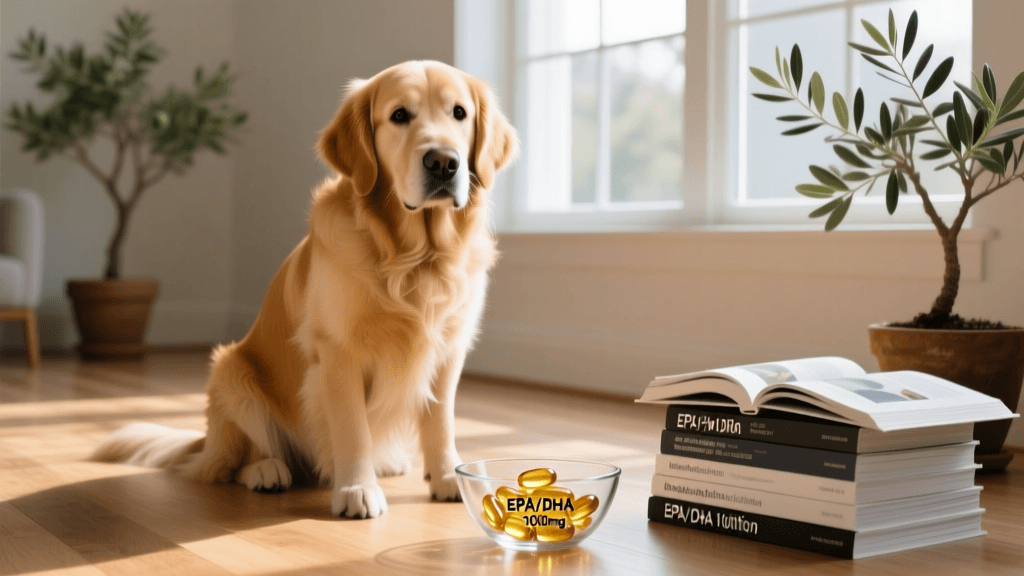
- Omega-3 Fatty Acids (EPA/DHA): Found in wild-caught salmon oil, these are potent natural anti-inflammatories that help reduce joint swelling.
- Green-Lipped Mussel (GLM): A natural source of glycosaminoglycans (GAGs) that support cartilage repair and joint fluid viscosity.
- Glucosamine and Chondroitin: Look for veterinary-formulated supplements with the NASC (National Animal Supplement Council) seal of approval to guarantee ingredient purity and dosage accuracy.
Progressive Exercise and Mobility Chart
| Phase | Timeline | Primary Activity | Duration/Frequency | Estimated Equipment Cost |
|---|---|---|---|---|
| 1. Foundation | Weeks 1-4 | Environmental setup, PROM, Pain Mgmt | 10 mins daily PROM | $150 - $350 |
| 2. Mobility | Weeks 5-8 | Short leash walks, Surface training | 3x 10-min walks/day | $0 (Use existing gear) |
| 3. Strengthening | Weeks 9-12 | Cavaletti poles, Hydrotherapy | 15 mins, 3x/week | $15 - $100 |
| 4. Maintenance | Ongoing | Dynamic adjustment, Mental enrichment | Variable / Daily | $20 - $50 |
Trainer's Tip: Always end a training or exercise session before your dog shows signs of fatigue. If they are still eager to do more, you have stopped at the perfect time. Pushing past fatigue leads to compensatory movement, poor form, and severe next-day stiffness.
Conclusion
Managing canine osteoarthritis requires a fundamental shift in perspective. It is not about how far your dog can go, but how well and how comfortably they can move. By following this progressive training plan, you are actively participating in your dog's rehabilitation, preserving their vital muscle mass, and significantly enhancing their golden years. Always keep your veterinarian and a certified canine rehabilitation therapist in the loop as you advance through the phases, ensuring your senior companion remains comfortable, confident, and happy in their daily movements.
tom-renshaw
All our authors care for dogs every day — read more of their work on the authors page.