Managing Canine Cognitive Dysfunction: Behaviorist Guide
Learn how to manage canine cognitive dysfunction with expert behavioral strategies, environmental enrichment, and proven wellness routines.
Understanding Canine Cognitive Dysfunction (CCD)
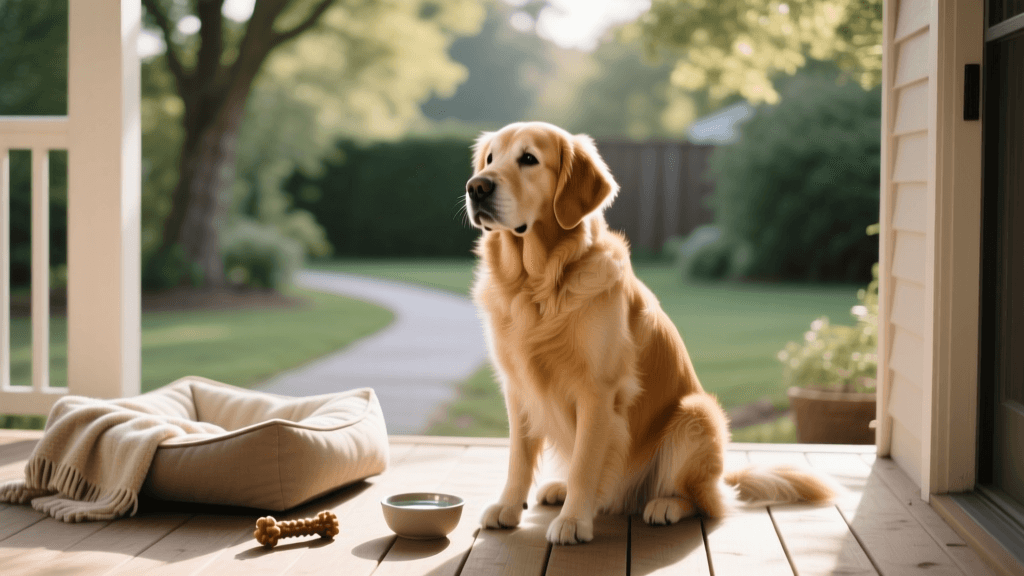
As a veterinary behaviorist, one of the most common and heartbreaking phrases I hear from dog owners is, 'He is just getting old.' However, what many dismiss as normal aging is often Canine Cognitive Dysfunction (CCD), a progressive neurodegenerative disease that profoundly alters a dog's behavior, spatial awareness, and emotional regulation. According to the American Kennel Club (AKC), CCD shares striking neuropathological similarities with Alzheimer's disease in humans, including the accumulation of beta-amyloid plaques in the brain and a depletion of dopamine.
From a behavioral analysis perspective, CCD is not merely a loss of memory; it is a fundamental breakdown in how a dog processes environmental stimuli. A dog with CCD experiences a world that feels increasingly unpredictable and frightening. Effective management requires shifting our focus from traditional obedience training to environmental scaffolding, sensory support, and targeted cognitive enrichment.
The DISHA Assessment: Diagnosing Behavioral Changes
To differentiate CCD from normal senior aging or other medical conditions (like osteoarthritis or vision loss), veterinary behaviorists utilize the DISHA acronym. This structured assessment helps quantify the severity of the cognitive decline and establishes a baseline for behavioral intervention.
| DISHA Category | Behavioral Manifestation | Behaviorist Interpretation |
|---|---|---|
| Disorientation | Getting stuck behind doors, staring at walls, wandering aimlessly. | Loss of spatial mapping and proprioceptive awareness. |
| Interactions | Ignoring family members, failing to greet owners, uncharacteristic irritability. | Decline in social recognition and emotional processing. |
| Sleep-Wake Cycle | Nighttime pacing, vocalization at 2 AM, sleeping excessively during the day. | Circadian rhythm disruption and melatonin depletion. |
| House-Soiling | Urinating indoors immediately after being outside, lacking the signal to go out. | Loss of conditioned housetraining habits and sphincter awareness. |
| Activity Level | Apathy, loss of interest in play, or repetitive behaviors like compulsive licking. | Dopaminergic pathway degradation and anxiety-driven stereotypies. |
Behavioral modification for CCD is not about retraining; it is about reducing cognitive load and creating an environment where the dog cannot fail.
Environmental Modification and Spatial Scaffolding
Dogs with CCD rely heavily on tactile and spatial memory to navigate. When their cognitive map degrades, smooth surfaces or dark hallways become sources of profound anxiety. To mitigate this, we must alter the physical environment.
Tactile Pathways and Slip Prevention
Senior dogs often suffer from concurrent osteoarthritis. A slipping incident can cause a spike in cortisol and a lasting fear of walking on hard floors. I recommend covering primary transit routes with high-traction surfaces. The Gorilla Grip Non-Slip Rug Pad (an 8x10 foot pad costs approximately $35) provides excellent grip and cushioning. Alternatively, interlocking foam gym tiles can create a dedicated, safe walking path through the home.
Circadian Lighting Therapy
Sleep-wake cycle inversions are a primary driver of owner surrender in CCD cases. To help reset the dog's internal clock, utilize smart lighting to simulate natural solar patterns. Install a Philips Hue White Ambiance Smart Bulb ($25) in the rooms where your dog spends the most time. Program the bulb to emit a cool, bright light (460 nm wavelength) during the morning hours to suppress melatonin, and schedule a gradual dimming to a warm, amber hue starting at 7:30 PM. This environmental cue is vastly more effective than simply turning off a standard overhead light at bedtime.
Cognitive Enrichment and Neuroplasticity
A common misconception is that senior dogs with CCD should be left alone to rest. In reality, a lack of novel stimulation accelerates neural atrophy. We must engage the dog's olfactory and problem-solving pathways to promote neuroplasticity.
Targeted Puzzle Therapy
Introduce low-frustration puzzle toys that encourage foraging. The Outward Hound Dog Brick Interactive Puzzle ($15.99) is ideal because it relies on sliding and lifting mechanisms rather than complex, multi-step sequences that might cause a CCD dog to experience learned helplessness.
- Timing: Conduct two 10-to-15-minute cognitive sessions daily. One in the mid-morning, and one in the late afternoon to prevent the 'sundowning' effect (increased anxiety and pacing as the sun sets).
- Reward Value: Use high-value, novel scents. Freeze-dried beef liver or salmon crumbles engage the olfactory bulb, which has direct neural pathways to the hippocampus (the brain's memory center).
Sensory, Pheromonal, and Nutritional Support
Behavioral management must be paired with biochemical support to optimize the brain's microenvironment. The Washington State University Veterinary Teaching Hospital notes that combining environmental enrichment with targeted antioxidants and pheromones yields the best clinical outcomes.
Pheromone Therapy
The Adaptil Senior Diffuser ($29.99, with refills required every 30 days) releases a synthetic dog-appeasing pheromone combined with a proprietary blend of terpenes designed to promote restorative sleep. Place the diffuser in the dog's primary sleeping area, ensuring it is not blocked by furniture. This passive intervention lowers baseline anxiety without requiring any cognitive effort from the dog.
MCT Oil and Prescription Diets
The aging canine brain struggles to metabolize glucose efficiently. Medium-Chain Triglycerides (MCTs) provide an alternative energy source (ketones) for the brain. You can introduce generic, unrefined coconut oil or a specialized MCT supplement. The clinical starting dose is 1/4 teaspoon per 10 lbs of body weight, introduced gradually over two weeks to avoid gastrointestinal upset. For comprehensive support, transition the dog to a prescription diet like Purina Pro Plan Veterinary Diets NeuroCare (approximately $35 per 8lb bag), which is clinically proven to improve alertness and memory in dogs with mild to moderate CCD within 90 days.
Behavioral First Aid for Nighttime Pacing
When a dog is caught in a nighttime pacing loop, attempting to physically restrain them or offering verbal corrections will only increase their arousal state. Instead, use a technique called 'sensory interruption.' Keep a small spray bottle of diluted lavender or chamomile hydrosol nearby. A quick spritz into the air (not directly on the dog) introduces a novel, calming olfactory stimulus that can break the repetitive neural loop. Follow this by gently guiding the dog to a familiar, textured mat using a high-value food lure, rather than a leash, which can trigger opposition reflex and panic.
When to Consult a Veterinary Behaviorist
While environmental and nutritional modifications are foundational, they are often insufficient for moderate to severe CCD. If your dog exhibits severe night terrors, aggressive outbursts due to confusion, or ceases to eat, it is time to consult a board-certified veterinary behaviorist. As highlighted by the experts at Fear Free Pets, pharmaceutical interventions such as Selegiline (Anipryl) can dramatically improve dopamine levels in the brain, effectively buying you more quality time with your companion. A behaviorist will work in tandem with your primary veterinarian to create a holistic, pharmacological, and environmental care plan tailored to your dog's specific neurological deficits.
Managing CCD requires patience, empathy, and a willingness to adapt your home to your dog's changing reality. By implementing these expert behavioral strategies, you can significantly improve your senior dog's quality of life and preserve the bond you share.
robin-maitland
All our authors care for dogs every day — read more of their work on the authors page.