Senior Dog Care Costs: Budgeting for Arthritis and Dental Health
Plan your senior dog's healthcare budget. We break down the real costs of arthritis treatments, dental cleanings, and preventive care for aging dogs.

The Financial Reality of the Golden Years
Watching your dog enter their senior years is a bittersweet milestone. While their muzzle may turn gray and their pace may slow, the bond you share only deepens. However, this transitional phase also brings a significant shift in veterinary needs. The days of routine puppy vaccinations and simple annual checkups are replaced by the management of chronic, age-related conditions. For many pet owners, the emotional toll of watching their dog age is unexpectedly compounded by the financial shock of senior veterinary care.
According to veterinary industry data, the annual healthcare costs for a senior dog can easily be two to three times higher than those of a healthy adult dog. Without a strategic financial plan, owners are often forced to make difficult, emotion-driven decisions when faced with sudden, multi-thousand-dollar medical bills. In this comprehensive cost breakdown, we will explore the financial realities of the two most common senior dog health challenges—osteoarthritis and periodontal disease—and provide actionable strategies to budget for your dog's golden years.
Cost Breakdown 1: Managing Canine Osteoarthritis (OA)
Osteoarthritis (OA) is a degenerative joint disease that affects a vast majority of senior dogs, particularly large and giant breeds. The American College of Veterinary Surgeons (ACVS) notes that OA is a progressive condition requiring lifelong, multimodal management. Treating arthritis is not a one-time expense; it is a recurring monthly and annual line item in your pet budget.
Diagnostics and Baseline Testing
Before starting any long-term medication, your veterinarian must establish a baseline. This typically involves a comprehensive orthopedic examination and diagnostic imaging.
- Orthopedic Exam & Consultation: $75 - $120
- Digital X-Rays (Radiographs): $200 - $350 (depending on the number of joints imaged, such as hips, knees, and spine)
- Baseline Bloodwork (Liver/Kidney function): $100 - $180 (Required before prescribing NSAIDs)
Pharmaceutical Interventions
Pain management is the cornerstone of OA treatment. Costs vary wildly depending on your dog's weight, as medications are dosed by the kilogram.
- Traditional NSAIDs (e.g., Carprofen/Rimadyl, Meloxicam): Generally the most affordable option, costing between $30 to $70 per month for a 60 lb dog.
- Next-Generation NSAIDs (e.g., Grapiprant/Galliprant): Targeted specifically at the EP4 receptor to reduce inflammation with potentially fewer gastrointestinal side effects. Expect to pay $90 to $160 per month.
- Adequan Canine (Polysulfated Glycosaminoglycan): An injectable disease-modifying osteoarthritis drug (DMOAD). The initial loading dose requires 8 injections over 4 weeks (approx. $350 - $450 if administered at the clinic), followed by a maintenance injection every 2 to 4 weeks ($40 - $80 per month).
Nutraceuticals and Alternative Therapies
To reduce reliance on pharmaceuticals, many owners turn to joint supplements and physical therapies.
- Clinical Joint Supplements (e.g., Dasuquin Advanced, Cosequin DS): Look for products containing Glucosamine, Chondroitin, and ASU. Budget $35 to $65 per month.
- Cold Laser Therapy (Photobiomodulation): Reduces inflammation and promotes tissue healing. Clinics typically charge $40 to $80 per session, with initial protocols requiring 2-3 visits per week.
- Canine Hydrotherapy: Excellent for maintaining muscle mass without joint impact. Sessions range from $75 to $150 each.
Cost Breakdown 2: Senior Dental Care and Periodontal Disease
Dental disease is often overlooked until it becomes a severe systemic issue. The American Kennel Club (AKC) emphasizes that senior dogs are at a much higher risk for severe periodontal disease, which can lead to tooth root abscesses, jaw fractures, and systemic infections affecting the heart and kidneys.
The True Cost of a Senior Dental Procedure
Unlike human dentistry, safe and effective veterinary dental cleanings require general anesthesia. For senior dogs, this necessitates rigorous safety protocols, which increases the overall cost.
- Pre-Anesthetic Bloodwork & Urinalysis: $150 - $250. This is non-negotiable for seniors to ensure the liver and kidneys can safely process anesthetic drugs.
- Intravenous (IV) Catheter & Fluids: $75 - $120. Crucial for maintaining blood pressure and organ perfusion during the procedure.
- Comprehensive Oral Health Assessment and Treatment (COHAT): The base fee for ultrasonic scaling, polishing, and full-mouth dental radiographs usually ranges from $400 to $700.
- Surgical Extractions: This is where costs skyrocket. If your senior dog has advanced periodontal disease requiring the extraction of 5 to 10 teeth, expect to pay $100 to $300 per tooth, depending on whether it is a single-rooted incisor or a multi-rooted carnassial tooth requiring surgical flap closure.
Real-World Scenario: A 10-year-old Golden Retriever requiring pre-anesthetic bloodwork, IV fluids, a baseline cleaning, and the extraction of four diseased molars will likely face a total bill between $1,400 and $2,200.
Annual Senior Dog Healthcare Budget: A Data Comparison
To help you visualize the financial commitment, below is a structured breakdown of estimated annual costs for managing a senior dog with mild-to-moderate arthritis and early-stage dental disease.
| Healthcare Category | Specific Services / Products | Estimated Annual Cost | Frequency |
|---|---|---|---|
| Senior Diagnostics | Comprehensive Blood Panel, Urinalysis, Thyroid Check | $250 - $400 | Every 6-12 Months |
| Arthritis Management | Daily NSAID (e.g., Carprofen) + Joint Supplement | $780 - $1,560 | Daily / Monthly |
| Dental Maintenance | Annual COHAT (Cleaning only, no extractions) | $500 - $800 | Annually |
| At-Home Preventive | Enzymatic Toothpaste, Dental Chews, Prescription Joint Diet | $400 - $700 | Daily / Monthly |
| Total Estimated Annual Cost | Proactive Senior Care (Out-of-Pocket) | $1,930 - $3,460 | Per Year |
Strategic Planning: Pet Insurance vs. Self-Insuring
When facing these projected costs, owners generally have two paths: pet insurance or self-insuring. The American Veterinary Medical Association (AVMA) advises pet owners to carefully review policy exclusions, particularly regarding pre-existing conditions.
The Pet Insurance Dilemma
Pet insurance is an excellent tool for catastrophic events (like a $4,000 emergency bowel obstruction surgery). However, for chronic senior conditions, timing is everything. Insurance companies do not cover pre-existing conditions. If your dog is diagnosed with osteoarthritis at age 6, and you attempt to buy insurance at age 7, all future arthritis treatments, medications, and related X-rays will be permanently excluded from your policy. To utilize insurance for senior care, you must enroll your dog when they are a young, healthy puppy and maintain the policy continuously.
The Self-Insurance Strategy (Health Savings Fund)
If your dog is already a senior or has pre-existing conditions, self-insuring is your most viable option. Open a dedicated High-Yield Savings Account (HYSA) specifically for your pet.
Pro Tip: Automate a transfer of $150 to $250 per month into your pet's HYSA starting from the day you bring your puppy home. By the time your dog reaches 8 years of age, you will have accumulated $14,400 to $24,000 (plus compound interest), providing a robust safety net for senior diagnostics, chronic medications, and emergency surgeries.
Actionable Steps to Mitigate Senior Health Costs
While you cannot stop the aging process, you can implement proactive measures to delay the onset of expensive chronic diseases.
1. Strict Weight Management
Obesity is the number one modifiable risk factor for osteoarthritis. Carrying just 10% of excess body weight exponentially increases the mechanical load on aging joints, accelerating cartilage degradation. Furthermore, medication dosages are calculated by weight; a heavier dog requires larger, more expensive doses of NSAIDs and antibiotics.
- Action: Stop free-feeding. Use a digital kitchen scale to weigh your dog's food in grams rather than relying on a plastic measuring cup, which can be off by up to 20%.
- Product Recommendation: Transition to a veterinary therapeutic diet like Purina Pro Plan Veterinary Joint Health or Hill's Prescription Diet j/d, which are clinically proven to improve mobility and help maintain a lean body condition.
2. Environmental Modifications
Slipping on hardwood floors or jumping off high beds can cause acute injuries, such as a torn Cranial Cruciate Ligament (CCL). Surgical repair (like a TPLO procedure) for a torn CCL costs between $3,000 and $5,000 per knee. Preventing the injury is vastly more cost-effective.
- Orthopedic Bedding: Invest in a high-quality, supportive bed like the Big Barker Orthopedic Dog Bed ($200 - $300). While the upfront cost is high, it prevents pressure sores and joint stiffness, reducing the need for pain medications.
- Ramps and Stairs: Use pet stairs (e.g., PetSafe CozyUp Folding Pet Steps, $50 - $80) to help your dog access the couch or bed, and a ramp for vehicle entry to eliminate the need for you to lift a heavy, arthritic dog.
- Floor Traction: Apply non-slip area rugs or paw-grip pads (like Musher's Secret Paw Wax or silicone nail caps) to prevent splaying and falls on slippery tile or hardwood.
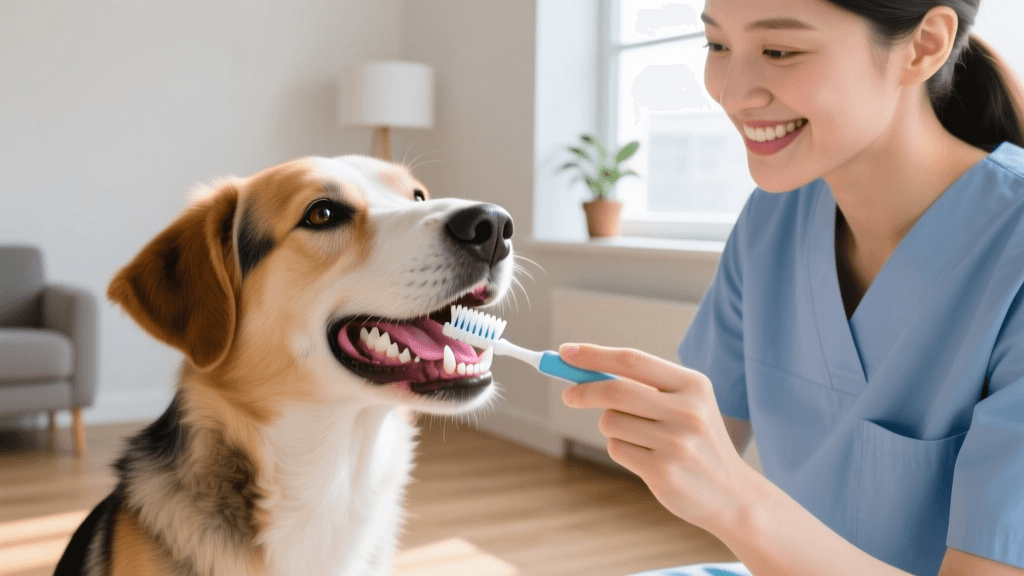
3. Daily Dental Hygiene
The cheapest way to avoid a $2,000 senior dental extraction bill is to prevent plaque from calcifying into tartar in the first place.
- Action: Brush your dog's teeth daily using a veterinary-approved enzymatic toothpaste, such as Virbac C.E.T. Poultry Flavor Toothpaste ($12). Never use human toothpaste, as ingredients like xylitol and fluoride are highly toxic to dogs.
- Supplemental Care: If your dog resists brushing, utilize VOHC (Veterinary Oral Health Council) approved water additives like Healthy Mouth or dental chews to mechanically scrape the teeth.
Conclusion: Peace of Mind Through Preparation
The golden years of your dog's life should be defined by comfort, companionship, and quiet walks—not by financial panic and difficult decisions at the veterinary clinic. By understanding the true costs of senior conditions like osteoarthritis and periodontal disease, you can shift from a reactive mindset to a proactive one. Whether you choose to secure a comprehensive pet insurance policy early in life or build a dedicated self-insurance savings fund, the key is to start planning today. Your dog has given you their entire life; a well-planned healthcare budget is the best way to ensure their final chapters are as comfortable and pain-free as possible.
priya-sutaria
All our authors care for dogs every day — read more of their work on the authors page.