First-Time Puppy Vaccination Schedule and Costs Guide
Discover the essential puppy vaccination schedule, average costs, and preventive care tips for first-time dog owners to ensure lifelong health.

Welcome to Dog Ownership: Navigating Preventive Care
Bringing home a new puppy is one of the most exciting milestones in life, but it also comes with a steep learning curve. As a first-time dog owner, navigating the veterinary world can feel like learning a new language. Between deciphering medical jargon, managing a tight budget, and ensuring your new best friend stays safe from preventable diseases, the first few months are critical. The foundation of your puppy's long-term health is built on a rigorous preventive care schedule, primarily focusing on vaccinations and parasite control.
According to the American Veterinary Medical Association (AVMA), vaccines are one of the most effective ways to prevent infectious diseases in dogs. However, knowing exactly which vaccines your puppy needs, when they need them, and how much they will cost is essential for planning your first year of pet parenthood. This comprehensive guide will walk you through the essential puppy vaccination schedule, break down average veterinary costs, and provide actionable advice on parasite prevention and early wellness habits.
Understanding Core vs. Non-Core Vaccines
Before diving into the timeline, it is crucial to understand the difference between core and non-core vaccines. The American Kennel Club (AKC) and veterinary guidelines categorize vaccines based on the risk of exposure, the severity of the disease, and the potential for transmission to humans.
Core Vaccines
Core vaccines are universally recommended for all dogs, regardless of their geographic location or lifestyle. These protect against severe, life-threatening diseases that are highly contagious. The primary core vaccine for puppies is the DHPP (often called DA2PP), which protects against Distemper, Hepatitis (Adenovirus-2), Parainfluenza, and Parvovirus. The Rabies vaccine is also a core vaccine and is required by law in most jurisdictions due to its zoonotic risk (transmissibility to humans).
Non-Core (Lifestyle) Vaccines
Non-core vaccines are administered based on your puppy's specific lifestyle, environment, and regional disease prevalence. If you plan to board your dog, attend group training classes, or visit dog parks, the Bordetella (kennel cough) vaccine is highly recommended. Other non-core vaccines include Leptospirosis (common in areas with wildlife and standing water), Lyme disease (for dogs in tick-endemic regions), and Canine Influenza.
The Essential Puppy Vaccination Schedule
Puppies receive maternal antibodies from their mother's milk, which temporarily protects them but also interferes with early vaccinations. This is why puppies require a series of booster shots every 3 to 4 weeks until they are about 16 weeks old, ensuring the vaccine takes effect once maternal antibodies wane.
| Puppy Age | Vaccine Administered | Purpose & Protection | Estimated Cost (Per Visit) |
|---|---|---|---|
| 6 - 8 Weeks | DHPP (1st Dose) | Initial protection against Distemper and Parvovirus. | $75 - $100 |
| 10 - 12 Weeks | DHPP (2nd Dose), Bordetella | Booster immunity; protection against kennel cough for socialization. | $100 - $130 |
| 14 - 16 Weeks | DHPP (3rd Dose), Rabies | Final puppy booster; legal Rabies protection. | $110 - $150 |
| 12 - 16 Months | DHPP Booster, Rabies Booster | First adult booster to ensure long-term immunity. | $90 - $120 |
Note: Costs are approximate and vary significantly by geographic region and clinic type. Non-core vaccines like Leptospirosis or Lyme may add $20 to $40 per injection.
Parasite Prevention: Fleas, Ticks, and Heartworm
Vaccines are only half the battle. Parasite prevention is a non-negotiable aspect of canine healthcare. The American Heartworm Society strongly recommends year-round, broad-spectrum parasite prevention for all dogs, regardless of whether they live indoors or outdoors.
Heartworm Disease
Heartworm disease is transmitted by mosquito bites and causes severe lung disease, heart failure, and death. Treatment for heartworm is incredibly expensive (often exceeding $1,000) and physically taxing on the dog. Prevention is safe, highly effective, and costs between $10 and $20 per month. Popular oral preventatives include Heartgard Plus (ivermectin/pyrantel) and Interceptor Plus (milbemycin oxime/praziquantel), which also cover intestinal parasites like roundworms, hookworms, and tapeworms.
Flea and Tick Control
Fleas can cause severe allergic dermatitis and transmit tapeworms, while ticks carry debilitating diseases like Lyme, Ehrlichiosis, and Anaplasmosis. For first-time owners, oral chewables are often the easiest and most effective route, as they cannot be washed off like topical treatments. Products like NexGard (afoxolaner), Bravecto (fluralaner - lasts up to 12 weeks), or Simparica Trio (which combines flea/tick, heartworm, and intestinal parasite prevention into one monthly chew) are industry standards. Expect to spend $25 to $40 per month on high-quality flea and tick prevention, scaled to your dog's weight bracket (e.g., 11-25 lbs, 26-50 lbs).
Early Dental Care and Home Wellness Habits
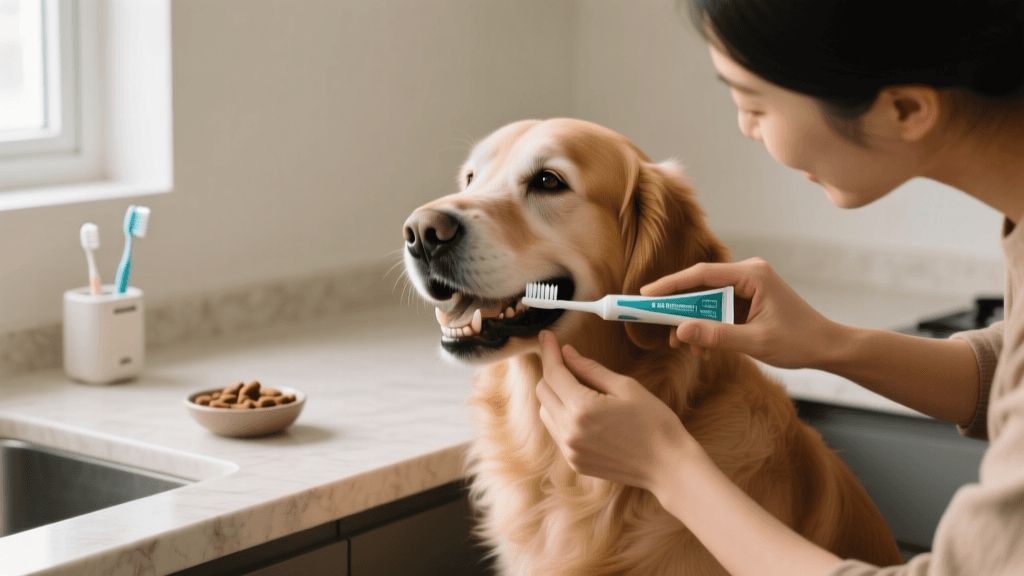
Preventive care extends beyond the veterinary clinic. Periodontal disease affects over 80% of dogs by the age of three, leading to pain, tooth loss, and systemic organ damage. As a first-time owner, the puppy stage is the perfect time to acclimate your dog to dental care.
Start by purchasing a veterinary enzymatic toothpaste, such as Virbac C.E.T. Poultry or Malt flavor (never use human toothpaste, as fluoride and xylitol are toxic to dogs). Use a soft silicone finger brush or a dog-specific toothbrush. Spend just 10 to 15 seconds a day gently rubbing the outer surfaces of the teeth, pairing the experience with high-value treats like Zuke's Mini Naturals. Establishing this habit early will save you hundreds of dollars in professional dental extractions later in life.
Budgeting for Your Puppy's First Year
The first year of a dog's life is the most expensive regarding veterinary care. Between the initial wellness exams, vaccination series, spay/neuter surgery, and microchipping, first-time owners should budget between $600 and $1,200 for preventive veterinary care in the first 12 months.
Wellness Plans vs. Pet Insurance
To manage these costs, many new owners look into veterinary wellness plans or pet insurance. It is vital to understand the difference:
- Wellness Plans (e.g., Banfield Optimum Wellness Plan, VCA Care Club): These are monthly subscription packages (typically $50 to $80/month) that cover routine preventive care, including vaccines, flea/tick meds, and annual bloodwork. They do not cover accidents or illnesses.
- Pet Insurance (e.g., Trupanion, Healthy Paws, Figo): Traditional pet insurance operates on a reimbursement model for unexpected accidents and illnesses (like a swallowed sock or cancer diagnosis). Most standard policies do not cover routine vaccines unless you purchase an add-on wellness rider.
For comprehensive protection, many financial-savvy pet owners opt for a high-quality pet insurance policy for emergencies while paying out-of-pocket or using a CareCredit line for routine puppy vaccines.
Tips for a Stress-Free Vet Visit
Veterinary clinics are full of strange smells, loud noises, and unfamiliar handling. To prevent your puppy from developing lifelong veterinary anxiety, practice cooperative care at home. Gently handle your puppy's paws, ears, and mouth daily, rewarding them with treats to build positive associations with being touched.
When visiting the clinic, bring a high-value reward that your puppy only gets at the vet, such as squeeze tubes of peanut butter (ensure it is 100% xylitol-free) or boiled chicken. Keep your own energy calm and relaxed; puppies are highly attuned to their owner's emotional state. By prioritizing early, positive veterinary experiences, you are setting the stage for a lifetime of stress-free healthcare for your dog.
tom-renshaw
All our authors care for dogs every day — read more of their work on the authors page.