Top Breeds for Dog Agility Sports in 2026: Selection Guide
Discover how to select the perfect puppy or rescue for dog agility and flyball in 2026. Compare top breeds, health tests, and drive evaluations.
The Athletic Demands of Modern Dog Sports
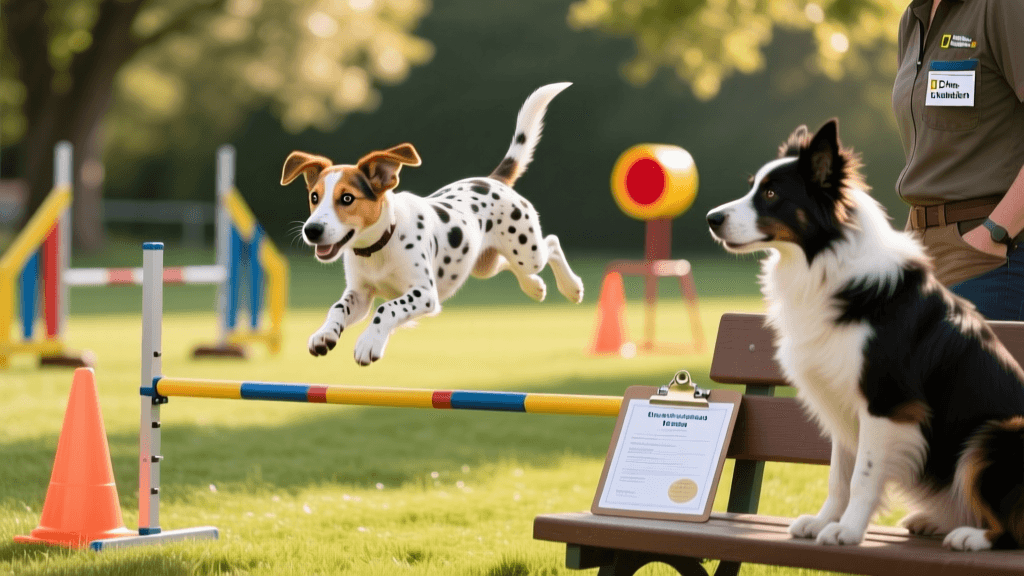
Getting a dog is a monumental decision, but when your goal is to compete in high-octane canine sports, the selection process becomes a precise science. As we navigate the 2026 competition season, dog sports like agility, flyball, and disc dog have evolved into elite athletic disciplines. Course designs are faster, turning radii are tighter, and the physical conditioning required for both handler and dog is at an all-time high. According to the United States Dog Agility Association (USDAA), modern agility courses demand immense physical resilience, spatial awareness, and mental acuity from our canine partners.
If you are bringing a new dog into your home with the specific intention of entering the competition ring, you must look beyond basic temperament. You need a dog with structural soundness, environmental stability, and an inherent 'drive' to work in partnership with you. This comprehensive guide will walk you through selecting, sourcing, and preparing a future canine athlete in 2026.
Top Breeds for Agility and Flyball in 2026
While mixed breeds and rescue dogs can certainly excel in sports, purpose-bred dogs from working lines often possess the predictable physical structure and neurological drive required for elite competition. Here are the top breeds dominating the 2026 leaderboards:
- Border Collie: The undisputed gold standard for agility. Bred for endurance, intelligence, and responsiveness to subtle handler cues, they excel in complex course analysis and rapid acceleration.
- Shetland Sheepdog: A favorite among handlers who prefer a smaller dog without sacrificing speed. Shelties possess an incredible turn radius, a natural affinity for jumping, and a biddable nature that makes training highly rewarding.
- Belgian Malinois: Known for their explosive power and intense prey drive, Malinois are flyball and protection sport powerhouses. However, they require meticulous arousal management and are best suited for experienced handlers.
- Papillon: Do not let their delicate appearance fool you. The Papillon is a powerhouse in the small jump height classes, offering a unique combination of blistering speed, agility, and a highly trainable, eager-to-please temperament.
- Whippet: For pure, unadulterated speed in flyball and FAST (Favorite Agility Speed Test) classes, the Whippet is unmatched. Their flexible spines and deep chests allow for aerodynamic efficiency on straightaways.
2026 Breed Comparison Chart for Dog Sports
| Breed | Typical Jump Height | Primary Sport Suitability | Arousal Level | Joint Health Focus |
|---|---|---|---|---|
| Border Collie | 16' to 20' | Agility, Disc Dog | High / Controllable | Hips, Shoulders |
| Shetland Sheepdog | 12' to 16' | Agility, Obedience | Moderate / Biddable | Hips, Eyes |
| Belgian Malinois | 20' to 24' | Flyball, IGP, Agility | Very High / Intense | Hips, Elbows, Spine |
| Papillon | 8' to 12' | Agility, Rally | High / Enthusiastic | Patellar Luxation |
| Whippet | 16' to 20' | Flyball, Lure Coursing | Burst / Calm at Home | Muscle Tears, Toes |
Evaluating a Litter for Sports Potential
If you decide to purchase a puppy from a breeder, selecting the right individual from the litter is critical. In 2026, reputable sport breeders utilize standardized evaluation protocols, such as the Volhard Puppy Aptitude Test or specialized sport-dog evaluations, typically conducted between 7 and 8 weeks of age. When evaluating a litter for agility or flyball, pay close attention to the following traits:
- Prey and Retrieval Drive: A puppy that eagerly chases a dragged rag and attempts to bring it back to you is showing the foundational mechanics for tug-reward systems and flyball box triggers.
- Environmental Resilience: Drop a metal pan or introduce an unstable surface (like a wobble board). A future sport dog should startle briefly, recover quickly, and investigate the object. Puppies that shut down or flee are generally unsuited for the loud, chaotic environments of competition venues.
- Tactile Sensitivity: Gently pinch the webbing of the puppy's paw. A moderate reaction indicates a dog that will tolerate the physical pressures of harness fitting, massage, and minor sports injuries without overreacting.
- Social Dominance vs. Independence: For agility, you want a puppy that follows you willingly but is confident enough to work at a distance. Avoid puppies that are excessively clingy or completely aloof.
Sourcing Your Athlete: Breeder vs. Sport Rescue
The debate between buying from a breeder and adopting from a rescue is highly nuanced in the sports community. Purchasing from a preservation breeder who actively competes offers the highest degree of predictability regarding adult size, structure, and drive. These breeders understand the biomechanics required for a dog to safely clear 20-inch jumps for a decade.
However, 2026 has seen a rise in 'sport-specific' rescue networks. Organizations dedicated to rehoming retired competition dogs or high-drive washouts from working programs are excellent resources. Adopting an adult dog from these networks allows you to bypass the puppy rearing phase and immediately assess the dog's actual jump mechanics, toy drive, and focus levels. The trade-off is that rescue dogs may come with unknown orthopedic histories or behavioral quirks that require remedial training before entering the ring.
Non-Negotiable Health Screenings
A sports dog is a canine athlete, and structural soundness is non-negotiable. Before committing to a puppy, ensure the breeder has completed comprehensive health testing on both parents. According to the Orthopedic Foundation for Animals (OFA), minimum testing for agility breeds should include:
- Hips and Elbows: Radiographs evaluated by the OFA or PennHIP to rule out dysplasia. PennHIP is increasingly preferred in 2026 for its ability to measure joint laxity and predict osteoarthritis risk earlier in life.
- Ophthalmologist Exam: Annual eye exams to rule out progressive retinal atrophy (PRA) and cataracts, which can severely impact a dog's ability to judge distances and see handler cues.
- Cardiac Evaluation: Echocardiograms to ensure the heart can handle the extreme cardiovascular demands of a 60-second agility run.
Never accept 'vet checked' as a substitute for formal genetic and orthopedic screening. The financial and emotional cost of a dog retiring at age three due to preventable hip dysplasia is devastating.
Preparing Your Home for a Future Canine Athlete
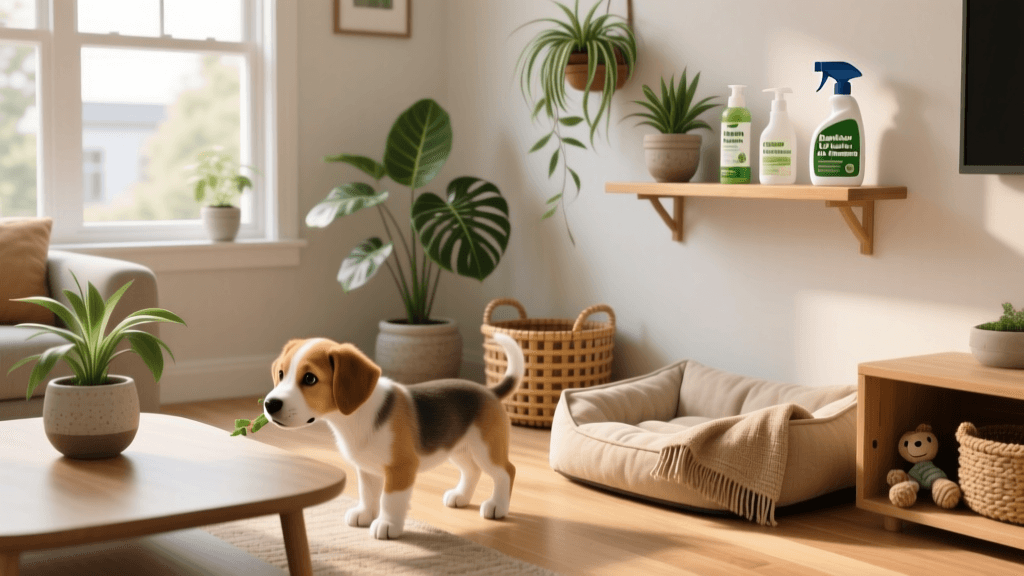
Bringing a future sports dog home requires specific environmental preparations to protect their developing joints and foster independence. In 2026, veterinary sports medicine specialists heavily emphasize the importance of early environmental management.
- Traction Flooring: Slippery hardwood or tile floors can cause micro-traumas to developing puppy joints and lead to splaying. Invest in interlocking foam puzzle mats or specialized canine traction rugs for the primary play and training areas of your home.
- Orthopedic Rest: Provide a high-density memory foam bed that supports the spine and joints after intense mental and physical stimulation.
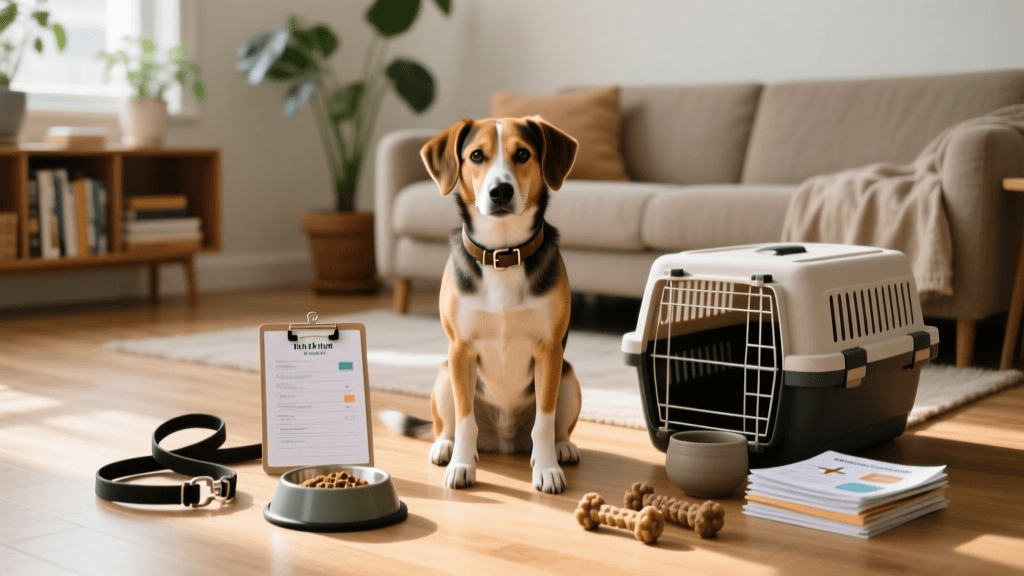
- Crate Conditioning: Competition dogs spend a significant amount of time crating at trial venues. Begin positive crate training on day one, using the crate as a safe, rewarding den rather than a place of isolation.
- Mental Enrichment: Physical exercise builds muscles, but mental exercise builds focus. Utilize snuffle mats, lick mats, and puzzle feeders to teach the puppy to work through frustration—a vital skill for navigating complex agility sequences later in life.
Early Foundation and Socialization
When raising a puppy for sports, the focus for the first year should be entirely on foundation skills, body awareness, and socialization—never on repetitive jumping or weaving. The American Kennel Club (AKC) guidelines strongly advise against introducing full-height jumps or tight weave pole entries until a dog's growth plates have fully closed, which can be up to 18 months for larger breeds.
Instead, focus on rear-end awareness exercises using cavaletti poles, targeting, and flat-work handling maneuvers. Teach your puppy that engagement with you is the most rewarding experience in the world. By prioritizing structural health, neurological drive, and a rock-solid foundational relationship, you are setting the stage for a long, successful, and joyous career in dog sports.
beth-carrasco
All our authors care for dogs every day — read more of their work on the authors page.