Holistic Puppy-Proofing: Non-Toxic Home Prep Guide 2026
Discover how to holistically puppy-proof your home in 2026. Learn about non-toxic cleaners, safe plants, and natural bedding for your new dog.
Embracing a Holistic Approach to Puppy-Proofing in 2026
Welcoming a new dog into your life is a profound milestone, one that requires careful preparation and a nurturing environment. As we navigate 2026, the shift toward sustainable, non-toxic living has deeply influenced how responsible pet owners prepare their homes. Holistic puppy-proofing goes far beyond simply hiding electrical cords and securing trash cans; it involves a comprehensive evaluation of the invisible chemicals, synthetic materials, and environmental stressors that can impact a developing puppy’s immune system, microbiome, and long-term health.
Puppies are uniquely vulnerable to environmental toxins. Because they spend their first months exploring the world primarily through scent and taste, they are constantly in contact with floors, rugs, and low-lying surfaces where heavy chemical residues settle. Furthermore, a puppy's rapid metabolic rate and developing organs make them highly susceptible to endocrine disruptors and volatile organic compounds (VOCs). By adopting a natural and holistic approach to home preparation, you are laying the foundational groundwork for a vibrant, healthy, and resilient companion.
The Hidden Dangers of Conventional Household Cleaners
When preparing for a new puppy, most people focus on physical hazards. However, the invisible threats posed by conventional cleaning supplies are often overlooked. Many popular floor cleaners, surface sprays, and air fresheners contain phenols, phthalates, and synthetic fragrances. According to the Environmental Protection Agency (EPA), indoor air can be significantly more polluted than outdoor air, largely due to the off-gassing of household chemicals and VOCs from cleaning products and synthetic furnishings.
When a puppy licks a floor cleaned with conventional chemicals, they ingest these residues directly. Phenols, in particular, are highly toxic to pets and can cause severe liver damage and neurological issues. Similarly, synthetic air fresheners and plug-in diffusers often contain phthalates, which are known endocrine disruptors that can interfere with a puppy's natural hormonal development. A holistic approach demands that we eliminate these chemical burdens from the home environment before the puppy ever crosses the threshold.
Building Your 2026 Non-Toxic Cleaning Arsenal
To maintain a pristine yet safe environment, holistic dog owners in 2026 are turning to science-backed, natural cleaning alternatives that effectively sanitize without leaving toxic residues behind.
- Electrolyzed Water Cleaners: Systems that use electrolysis to turn tap water, salt, and vinegar into hypochlorous acid are incredibly popular. This solution is as effective as bleach at killing bacteria and viruses but is completely non-toxic and safe for pets to walk on and lick.
- Castile Soap and Sal Suds: Plant-based, biodegradable cleaners like Dr. Bronner’s Sal Suds are excellent for mopping hard floors. They cut through grease and dirt using natural pine oil and fir needle extracts, leaving no harmful synthetic film.
- Enzymatic Cleaners for Accidents: Puppies will inevitably have accidents. Instead of using ammonia-based cleaners (which can actually encourage a dog to re-soil the same spot due to the scent profile), opt for natural, bio-enzymatic cleaners. These use beneficial bacteria to literally eat the organic matter and uric acid crystals, eliminating the odor at a molecular level without harsh chemicals.
Curating a Pet-Safe Indoor Landscape
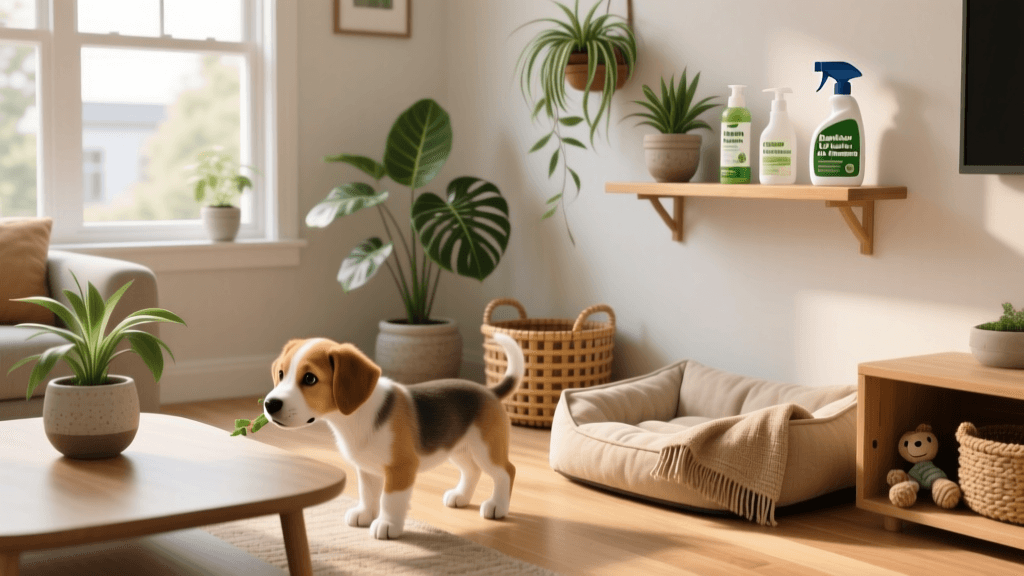
Houseplants bring life and natural air-purifying qualities to our homes, but many common varieties are highly toxic to dogs. Puppies, with their relentless curiosity and teething discomforts, will inevitably chew on leaves and dig in soil. The ASPCA's comprehensive plant toxicity list is an essential bookmark for any new dog owner.
Plants to Remove or Elevate
Before bringing your puppy home, completely remove highly toxic plants such as the Sago Palm (which causes fatal liver failure), Oleander, Lilies, and Pothos. Even the soil in potted plants can be a hazard if it contains synthetic fertilizers, pesticides, or mold. Covering soil with large, smooth river rocks can prevent digging and ingestion of contaminated dirt.
Safe, Holistic Plant Alternatives
You do not have to sacrifice your indoor jungle. Excellent, non-toxic alternatives that are safe for a teething puppy to nibble include:
- Spider Plants: Safe, resilient, and known for their air-purifying qualities.
- Calathea (Prayer Plant): Beautifully patterned and completely non-toxic.
- Boston Ferns: Lush and safe, though they may drop leaves that are harmless if eaten.
- Parlor Palms: A great structural plant that adds a tropical feel without the toxicity of the Sago Palm.
Natural Bedding, Rugs, and Toy Selection
Synthetic materials are ubiquitous in modern pet products, but they often off-gas flame retardants and shed microplastics. A holistic approach to puppy-proofing involves swapping out synthetic furnishings for natural, breathable, and biodegradable materials.
When selecting a puppy bed, look for covers made from 100% organic cotton or durable hemp, filled with natural kapok fiber or organic wool. Wool is naturally antimicrobial, moisture-wicking, and temperature-regulating, making it an ideal material for a puppy's resting space. Avoid beds treated with chemical stain repellents or synthetic flame retardants.
For toys, the 2026 market offers fantastic natural alternatives to cheap, easily destructible plastic and nylon. Opt for toys made from natural rubber (like those designed for heavy chewers that use sustainably sourced tree sap), untreated olive wood roots, and tightly woven hemp rope. Hemp is naturally resistant to mold and bacteria, making it a superior choice for tug-of-war and teething relief.
Holistic Swaps: Conventional vs. Natural Home Prep
To help you visualize the transition to a holistic home, here is a comparison chart detailing conventional puppy-proofing items and their natural, 2026-approved counterparts.
| Category | Conventional Choice | Holistic 2026 Swap |
|---|---|---|
| Floor Cleaning | Bleach or Ammonia-based mops | Electrolyzed water or Castile soap |
| Odor Control | Synthetic aerosol sprays | Simmering herbs (rosemary/lavender) or HEPA filtration |
| Puppy Bedding | Polyester fill with stain-guard | Organic wool fill with hemp canvas cover |
| Teething Toys | Nylon bones with artificial flavor | Untreated olive wood or natural yak cheese chews |
| Pest Prevention | Chemical indoor foggers/sprays | Food-grade diatomaceous earth (applied safely) and cedar blocks |
The Holistic Welcome and First-Aid Kit
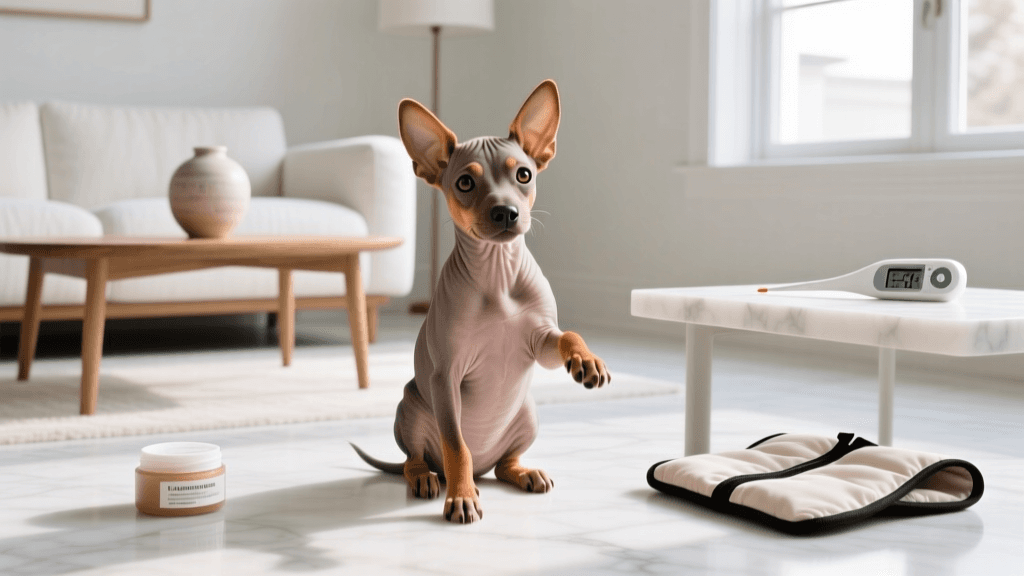
Beyond physical safety, holistic care encompasses emotional and energetic well-being. Preparing a natural first-aid and welcome kit is a crucial step in getting a dog. The American Veterinary Medical Association (AVMA) emphasizes the importance of having a well-stocked pet first-aid kit, and a holistic owner will include natural remedies alongside standard veterinary supplies.
- Local Raw Honey: A small jar of local, raw honey can be used to soothe minor scratches, provide a quick energy boost for a stressed puppy, or help them acclimate to local environmental allergens.
- Calendula Salve: Known for its powerful anti-inflammatory and skin-healing properties, calendula is perfect for soothing minor paw pad abrasions or hot spots.
- Chamomile and Lavender: Brewing a weak, cooled chamomile tea and adding it to a spray bottle can create a gentle, calming mist for the puppy's crate or bedding. Lavender (used sparingly and safely diluted) can also help reduce the anxiety of transitioning to a new home.
- Coconut Oil: Unrefined, cold-pressed coconut oil is a multi-tasker. It can be used to moisturize dry paw pads, soothe minor skin irritations, or serve as a healthy, digestive-aiding treat topper.
Creating a Low-Stress Sensory Environment
Finally, a holistic approach considers the sensory experience of the puppy. The modern home is often filled with chaotic noise, harsh artificial lighting, and poor air circulation. To create a sanctuary for your new dog, invest in a high-quality True HEPA air purifier to capture dander, dust mites, and airborne VOCs. This is especially important in 2026, as urban environments and seasonal wildfire smoke can severely impact a puppy's developing respiratory system.
Regulate the acoustic environment by playing classical music or bio-acoustic sounds designed specifically for canine nervous systems. These soundscapes have been proven to lower cortisol levels and encourage deep, restorative sleep. Maximize natural sunlight in the areas where your puppy will spend the most time, as natural circadian light exposure is vital for regulating their melatonin production and establishing healthy sleep-wake cycles.
Conclusion
Preparing your home for a new dog through a holistic, non-toxic lens is one of the most profound ways to demonstrate your commitment to their lifelong health. By eliminating hidden chemical hazards, choosing natural materials, and curating a calming sensory environment, you are not just puppy-proofing your house—you are building a sanctuary. As you embark on this incredible journey of dog ownership in 2026, remember that every natural swap and mindful choice contributes to a stronger immune system, a happier disposition, and a deeply rooted bond between you and your new best friend.
beth-carrasco
All our authors care for dogs every day — read more of their work on the authors page.