Best Breeds for Agility Competitions in 2026: Buyer Guide
Discover the best dog breeds for agility competitions in 2026. Learn how to evaluate sport breeders, health testing, and first-day essentials.
Why Breed and Lineage Matter for Dog Sports in 2026
Getting a dog is always a monumental decision, but when your goal is to compete in high-octane dog sports, the decision-making process requires a completely different level of scrutiny. As we navigate the competitive landscape of 2026, dog sports like agility, Fast CAT, and IGP have evolved. Courses are faster, veterinary sports medicine is more advanced, and the physical demands on canine athletes are higher than ever before. Selecting a puppy purely based on a cute face or a breed's general popularity is a recipe for frustration and potential heartbreak if the dog lacks the structural integrity or neurological drive required for competition.
When you are getting a dog specifically for sports, you are not just looking for a pet; you are looking for a teammate. This means prioritizing genetic health, structural soundness, and specific behavioral traits like prey drive, fetch drive, and environmental stability. In 2026, top-tier sport competitors know that the foundation of a championship dog is laid long before the puppy comes home—it starts with meticulous breed selection and breeder evaluation.
Top Breeds for Agility and Fast-Paced Sports
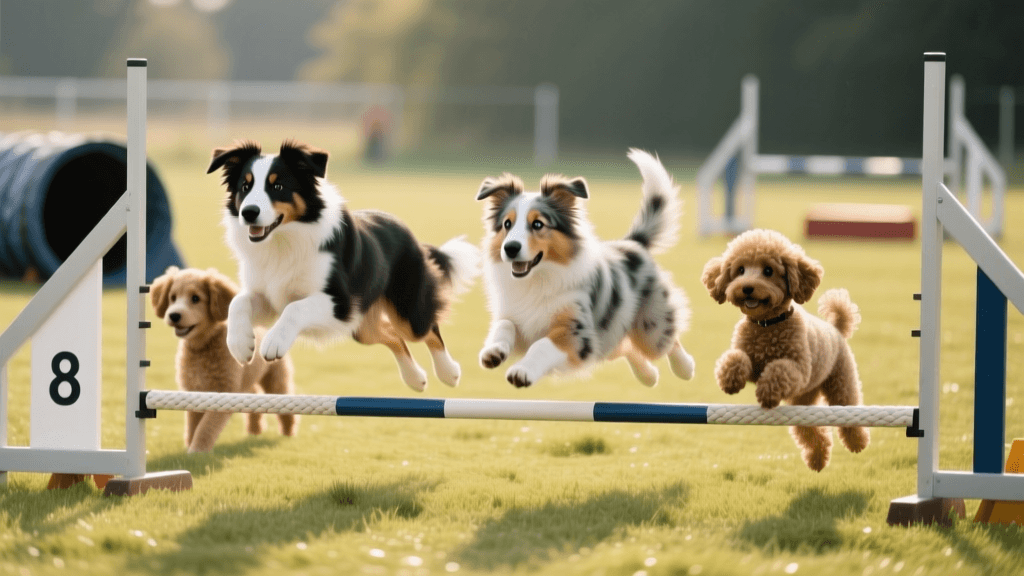
While mixed breeds and unexpected rescues can certainly excel in dog sports, those looking for a predictable outcome in terms of size, drive, and physical capability typically gravitate toward specific breeds. The American Kennel Club (AKC) Agility circuit in 2026 continues to be dominated by herding breeds and sighthounds, thanks to their natural biddability, acceleration, and turning radius.
| Breed | Ideal Height | Drive Level | Best Sport | 2026 Joint Health Focus |
|---|---|---|---|---|
| Border Collie | 19-22 inches | Extremely High | Agility, Sheepdog Trials | Shoulder OCD, Hip Dysplasia |
| Shetland Sheepdog | 13-16 inches | High | Agility, Obedience | Dermatomyositis, Patellar Luxation |
| Belgian Tervuren | 22-26 inches | Very High | Agility, IGP, Scent Work | Epilepsy, Hip/Elbow Dysplasia |
| Whippet | 18-22 inches | High (Sprint) | Fast CAT, Lure Coursing | Muscle Tears, Cardiac Health |
Border Collie: The Undisputed Agility King
The Border Collie remains the gold standard for agility. Bred for stamina, intelligence, and an intense desire to work with a handler, they excel at reading subtle body language. However, in 2026, responsible sport breeders are heavily focused on breeding for 'off-switches' and structural longevity to combat the high-impact nature of modern jump heights and tight course turns.
Shetland Sheepdog: The Agile Veteran
Shelties are incredibly popular for handlers who prefer a smaller, highly trainable dog. They possess the herding instinct that makes them responsive to movement, but they are generally more forgiving of handler errors than the hyper-sensitive Border Collie. Their smaller stature also means they navigate weave poles and tight turns with exceptional grace.
Whippet: The Sprint Specialist
If your interest lies in straight-line speed events like Fast CAT or lure coursing, the Whippet is unmatched. They are affectionate, low-maintenance couch potatoes at home, but on the field, they are explosive athletes. Getting a Whippet for sports means focusing heavily on early conditioning to protect their lean muscle mass and delicate joints.
How to Evaluate a Breeder for Sport Puppies
Finding a breeder who specifically produces 'sport-bred' lines is crucial. Pet-bred lines, even from health-tested parents, often lack the intense neurological drive required to run a 20-obstacle agility course in the rain. When interviewing breeders in 2026, you must look beyond basic temperament and demand rigorous health and performance data.
Mandatory Health Testing Protocols
Do not accept a breeder's word that their dogs are 'vet checked.' You need verifiable data. Consult the Orthopedic Foundation for Animals (OFA) to understand the CHIC (Canine Health Information Center) requirements for your chosen breed. At a minimum, a sport puppy's parents should have:
- Hips: OFA Excellent/Good or PennHIP Distraction Index (DI) scores well within the breed average.
- Elbows: OFA Normal (Grade 0).
- Eyes: Annual CERF (Canine Eye Registration Foundation) exams by a veterinary ophthalmologist.
- Cardiac: Echocardiograms performed by a veterinary cardiologist, especially for high-drive breeds prone to heart anomalies.
Performance Pedigrees
A true sport breeder titles their dogs before breeding them. Look for prefixes or suffixes in the pedigree like MACH (Master Agility Champion), PACH, or IGP3. This proves that the parents not only have the physical structure to withstand the sport but also the mental fortitude and trainability to achieve the highest levels of competition.
Puppy Aptitude Testing and Early Socialization
Once a litter is born, sport breeders utilize specialized puppy aptitude tests to match the right puppy to the right handler. Unlike standard Volhard tests, sport-specific evaluations (such as those derived from Avidog or Puppy Culture protocols) measure traits critical for competition:
- Prey Drive: Measured by the puppy's willingness to chase a rag or flirt pole. High prey drive translates to a strong desire to chase agility obstacles and tug toys.
- Fetch Drive: The willingness to pick up an object and bring it back. This is the foundation for reward-based training on the field.
- Environmental Stability: How the puppy reacts to novel surfaces, loud noises (like teeter-totter bangs or starting guns), and unstable footing. A sport puppy must recover quickly from sudden stimuli without shutting down.
- Handler Focus: The innate desire to check in with a human rather than purely exploring the environment.
Early socialization is equally critical. The American Veterinary Medical Association (AVMA) emphasizes that the primary socialization window closes around 12 to 14 weeks of age. For a future sport dog, this window must be filled with exposure to different flooring types (grass, rubber matting, sand), various weather conditions, and the chaotic environments typical of dog show grounds.
First-Day Essentials for a Future Sport Dog
Bringing home a puppy destined for the sports ring requires specific gear from day one. Your first-day shopping list should focus on building body awareness, confidence, and engagement.
Body Awareness and Conditioning Gear
Before a dog can jump, they must know where their hind feet are. Invest in foundational canine fitness equipment. Brands like FitPAWS offer inflatable balance discs, peanuts, and paws that teach a puppy to shift weight and engage their core. Spending just five minutes a day on unstable surfaces builds the micro-muscles necessary to prevent future sports injuries.
Engagement and Reward Tools
Sport dogs are trained through play. You will need a variety of high-value tug toys (fleece, bungee, and real fur) and food-dispensing puzzles. Avoid relying solely on kibble; the ability to tug with intense focus is a massive advantage in agility and obedience rings. Additionally, purchase a lightweight, 10-to-15-foot biothane long line to allow your puppy safe freedom to explore and build recall without the risk of them bolting.
Crate and Mat Training Supplies
Dog sports require extensive travel and downtime. A crash-tested travel crate and a portable 'place' mat are non-negotiable. Teaching your puppy to settle on a mat amidst the chaos of a trial ground is one of the most important skills you will develop in their first year.
Adoption vs. Buying for Dog Sports
A common question in the getting-a-dog community is whether you can find a competitive sport dog in a rescue. The answer is yes, but it comes with caveats. Adopting an adult dog for sports allows you to evaluate their actual drive, structure, and noise sensitivity in real-time. Many breed-specific rescues occasionally take in high-drive herding dogs that were surrendered because they were too intense for a sedentary pet home.
However, the unpredictability of a rescue dog's early development and unknown genetic health history can be a limiting factor at the elite levels of competition. If your goal is casual, fun-level competition or local club trials, a rescue can be a phenomenal partner. If your goal is to compete at national championships where margins of victory are measured in fractions of a second, purchasing from a proven, health-tested sport lineage remains the most reliable path.
Final Thoughts on Your 2026 Sport Dog Journey
Getting a dog for sports is a commitment that extends far beyond the initial purchase price. It requires a dedication to ongoing veterinary sports medicine, specialized conditioning, and hundreds of hours of foundational training. By carefully selecting the right breed, rigorously vetting the breeder's health and performance metrics, and setting up your home with sport-specific essentials from day one, you are laying the groundwork for a deeply rewarding partnership. Whether you end up at the top of the agility podium or simply enjoying weekend Fast CAT runs, the bond forged through dog sports is truly unparalleled.
beth-carrasco
All our authors care for dogs every day — read more of their work on the authors page.