2026 Force-Free Dog Decompression Zone & Reward Guide
Learn how to set up a force-free decompression zone and choose the best positive reinforcement rewards for your new dog in 2026.
Bringing a new dog or puppy into your home is one of the most exciting milestones in life, but it can also be incredibly overwhelming for your new canine companion. As we navigate dog ownership in 2026, the veterinary and behavioral science communities have reached a definitive consensus: force-free, positive reinforcement methods are the absolute gold standard for canine welfare and effective learning. Outdated dominance-based theories and aversive tools have been universally condemned by modern veterinary behaviorists. Instead, the focus has shifted entirely toward environmental management, decompression, and reward-based relationship building.
When you first bring your new dog home, their cortisol (stress) levels are often at their peak. Whether you are adopting a rescue dog transitioning from a shelter environment or bringing home a puppy from a breeder, the first few days dictate the foundation of your future bond. Setting up a dedicated, force-free decompression zone and preparing a high-value positive reinforcement toolkit before your dog arrives are the most critical steps you can take to ensure a smooth, stress-free transition.
The 2026 Consensus on Force-Free Decompression
In 2026, leading animal welfare organizations emphasize the '3-3-3 Rule' of dog adoption: three days to decompress, three weeks to learn your routine, and three months to start feeling truly settled. During those first three days, a dog's nervous system is in overdrive. According to the experts at Fear Free Pets, forcing a new dog into immediate social interactions, overwhelming them with house tours, or subjecting them to intense training sessions can trigger chronic stress and behavioral fallout.
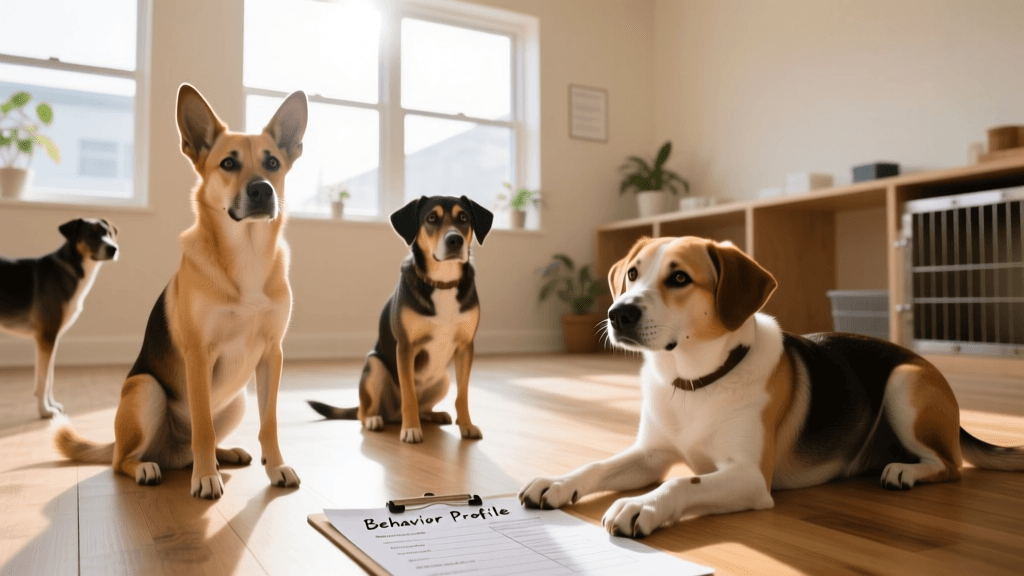
A force-free decompression zone is a designated, quiet area where your dog can observe their new environment without feeling trapped, pressured, or overstimulated. It is a sanctuary built on the principles of canine choice and autonomy. By utilizing positive reinforcement within this space, you teach your dog that their safe zone is a predictor of wonderful things, effectively rewiring their brain to associate your home with security and joy rather than anxiety.
Essential Gear for Your Positive Reinforcement Toolkit
Before your dog's paws cross your threshold, you need to gather the right tools. The modern force-free toolkit in 2026 relies on enrichment, comfort, and high-value rewards rather than physical corrections. Here are the core components you must have on hand:
- Y-Shaped Front-Clip Harness: Avoid any collar or harness that restricts shoulder movement or applies pressure to the trachea. A well-fitted Y-shaped harness with a front-clip leash attachment gently redirects pulling without causing pain or physical harm.
- Magnetic-Closure Treat Pouch: Timing is everything in positive reinforcement. A treat pouch with a silent magnetic closure allows you to reward desired behaviors instantly without the loud tearing of velcro that might startle a decompressing dog.
- Enrichment Mats and Lick Mats: Licking and foraging are naturally soothing behaviors for dogs. Silicone lick mats and fleece snuffle mats encourage mental stimulation and naturally lower heart rates.
- Adaptil Calm Smart Diffuser: The 2026 formulations of synthetic dog-appeasing pheromones (DAP) are more effective than ever, providing a subtle, species-specific chemical signal that promotes a feeling of safety in the decompression zone.
2026 Force-Free Tools Comparison Chart
| Tool Category | Purpose in Decompression | 2026 Recommended Model | Estimated Cost |
|---|---|---|---|
| Front-Clip Harness | Safe, pain-free leash walking | Ruffwear Front Range 2026 Edition | $45 - $55 |
| Enrichment Feeder | Promotes calming licking behavior | LickiMat Soother Pro (Dishwasher Safe) | $12 - $18 |
| Treat Pouch | Silent, rapid reward delivery | Doggie Stylers Magnetic Silk Pouch | $35 - $45 |
| Calming Pheromone | Reduces environmental anxiety | Adaptil Calm Smart Diffuser 2026 | $50 - $65 |
| Modular Playpen | Creates a safe, visible boundary | IRIS USA Modular Wire Playpen | $60 - $80 |
Setting Up the Safe Space: Step-by-Step
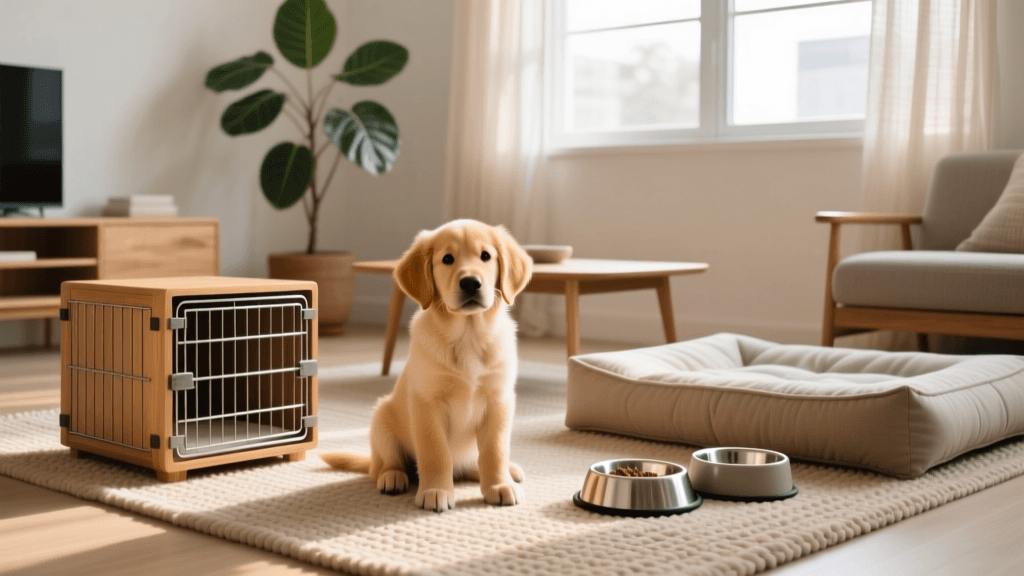
The physical setup of your decompression zone is just as important as the tools you use. The goal is to create a space that feels like a den, not a prison. According to guidelines supported by the ASPCA, environmental management is the first line of defense against unwanted behaviors in new dogs.
Step 1: Choose a Low-Traffic Location. Select a corner of a common room, like the living room, where the family naturally spends time, but away from direct foot traffic and loud appliances. Your dog wants to be near you, but not in the middle of a busy hallway.
Step 2: Use an Open Playpen, Not a Closed Door. Instead of shutting your dog in a spare bedroom where they may feel isolated and develop separation anxiety, use a modular wire playpen. This provides a physical boundary that prevents them from wandering and making mistakes, while still allowing them to see, hear, and smell you. Leave the playpen door open when you are actively supervising to give them the autonomy to enter and exit.
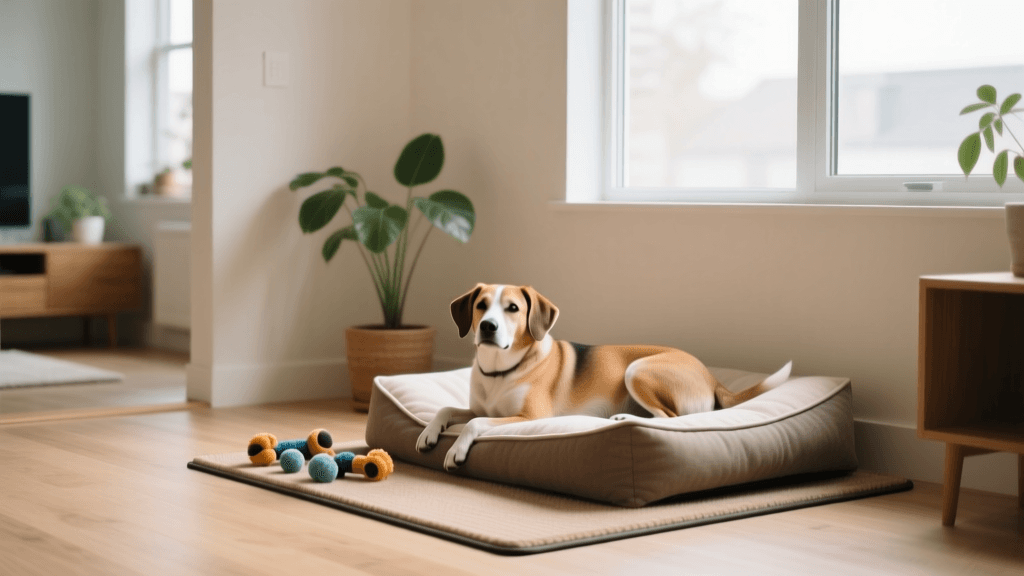
Step 3: Layer the Bedding and Scent. Provide a washable, orthopedic bed. To help them feel secure, place a worn t-shirt that smells like you on their bed. Plug in your Adaptil pheromone diffuser in this exact zone at least 24 hours before your dog arrives.
Step 4: Introduce White Noise. A dedicated white noise machine or a smart speaker playing brown noise can mask startling outdoor sounds, such as delivery trucks or neighborhood dogs, which is especially crucial for rescue dogs with unknown trauma histories.
Choosing the Right High-Value Rewards
Positive reinforcement relies on the dog's perception of the reward, not yours. What you consider a 'treat' might be entirely uninteresting to a stressed dog. In 2026, the shift toward fresh, species-appropriate nutrition means we have better access to high-value, single-ingredient rewards that are far more motivating than highly processed training biscuits.
When building your reward hierarchy for the first week, you need three tiers of reinforcement:
- Low-Value (For calm behaviors in the safe zone): Your dog's regular kibble or low-calorie, single-ingredient freeze-dried treats like pure beef liver or salmon bites.
- Medium-Value (For basic engagement and potty training): Soft, smelly training treats that can be consumed in under two seconds. Think boiled chicken breast, low-sodium turkey deli meat, or commercial fresh-food toppers.
- High-Value (For overcoming fears or veterinary handling): Real cheese, plain boiled hot dogs, or lickable squeeze tubes of dog-safe peanut butter. These are reserved only for highly stressful moments to create a massive positive emotional response.
Keep your high-value treats in a sealed container in the fridge, and only bring them out when you need to create a profound positive association, such as when introducing your dog to a new person or handling their paws for grooming.
Navigating the First 48 Hours Without Force
The first two days are about observation, decompression, and building trust. Force-free training during this window is less about teaching 'commands' and more about capturing calm and managing the environment.
Capturing Calm: Keep your treat pouch nearby. Whenever your dog voluntarily lies down, relaxes their shoulders, or lets out a deep sigh in their decompression zone, quietly drop a low-value treat between their paws. Do not use an excited voice; simply reward the physical state of relaxation. This teaches the dog that doing nothing is a highly rewarding behavior.
Force-Free Potty Management: Accidents will happen, but punishment is never the answer. Rubbing a dog's nose in an accident or yelling only teaches the dog to hide from you when they need to eliminate. Instead, manage the environment by taking them to their designated potty spot on a leash every 90 minutes. When they eliminate outdoors, immediately throw a 'reward party' using your medium-value treats and calm praise. If they have an accident indoors, silently clean it up with an enzymatic cleaner and adjust your supervision schedule.
Respecting the 'No-Touch' Rule: Advocate for your dog. Instruct family members and visitors that they are not allowed to reach into the playpen or force physical contact. Let the dog initiate touch. If the dog approaches the edge of the pen and offers a relaxed posture, reward them with a treat tossed gently into their space. As highlighted by the force-free advocates at Positively, allowing a dog to consent to interaction is the foundation of deep, lasting trust.
Conclusion: Patience is the Ultimate Tool
Setting up a force-free decompression zone and utilizing positive reinforcement requires an initial investment of time, patience, and preparation. However, the payoff is immense. By prioritizing your dog's emotional welfare and allowing them to decompress at their own pace, you are laying the groundwork for a confident, resilient, and deeply bonded companion. Welcome to the modern era of dog ownership, where kindness, science, and empathy lead the way.
priya-sutaria
All our authors care for dogs every day — read more of their work on the authors page.