Best Agility Puppy Breeds and Selection Tests for 2026
Discover how to choose the perfect agility puppy in 2026. Learn about top breeds, structural evaluations, and the Volhard test for sports prospects.
The Strategic Approach to Getting a Sports Dog
Getting a dog is a monumental decision, but when your primary goal is to compete in canine sports, the selection process becomes a highly strategic endeavor. The world of dog agility has evolved dramatically over the last decade. As we navigate the 2026 competitive season, courses are faster, more technical, and demand a higher level of canine athleticism and handler-dog connection than ever before. If you are bringing a new puppy into your home with the dream of standing on the podium at national championships, you cannot simply pick the cutest pup in the litter. You need a prospect with the right genetics, structure, and temperament to handle the rigorous demands of modern competition.
The Evolution of Agility in 2026
Modern agility is a high-speed, high-impact sport. Organizations like the American Kennel Club (AKC) and UKI have continually raised the bar for course design. Today's dogs must possess explosive starting speed, the ability to collect their stride for tight jumps, and the mental resilience to handle complex handling maneuvers. According to the AKC Agility guidelines, the sport requires a dog that is physically sound, highly trainable, and eager to work. When getting a dog for this specific purpose, you are looking for a canine athlete, which means prioritizing health, drive, and structural integrity over mere pet-quality traits. The margin for error on a 2026 championship course is incredibly slim, making your initial puppy selection the most critical step in your competitive journey.
Top Breeds for Agility Prospects
While mixed breeds and rescue dogs can and do excel in agility, certain breeds have been selectively developed for the exact traits required on the course. If you are contacting breeders for a future sports partner, consider these top contenders:
- Border Collie: The undisputed king of the agility course. Bred for herding, they possess the innate ability to read their handler's body language, explosive speed, and a relentless work ethic. In 2026, the Border Collie remains the most common breed seen at the highest levels of international competition. However, they require immense mental stimulation and are not for the faint of heart.
- Shetland Sheepdog: Often called the 'Border Collie in a smaller package,' Shelties are incredibly agile, fast, and highly responsive to verbal cues. Their smaller size makes them easier to manage on tight course sequences, and their herding background gives them a natural tendency to stay connected to their handler.
- Belgian Malinois: For handlers who want raw power and speed, the Malinois is a top-tier choice. They excel in the standard jump heights and possess an unparalleled drive to work. However, their high arousal levels require a handler experienced in canine sports psychology to prevent frustration on the course.
- Sport Bred All-American Dogs: Purpose-bred mixed breeds—often called 'Sport Mixes' or 'All-American Dogs'—have surged in popularity. By crossing Border Collies with breeds like Whippets or Kelpies, breeders aim to combine the herding instinct with physical endurance and hybrid vigor.
Evaluating the Breeder's Environment
Before you even look at the puppies, you must evaluate the breeder's facility. A future sports dog needs early neurological stimulation and environmental enrichment. Look for breeders who utilize protocols like Early Neurological Stimulation (ENS) and Early Scent Introduction (ESI) between days 3 and 16. The whelping area should be equipped with varied, safe surfaces—such as textured mats, low foam wedges, and wobble boards—to encourage the puppies to develop proprioception and core strength from the moment they begin walking. A sterile, empty kennel run will not produce the confident, environmentally stable dog you need for the loud, chaotic atmosphere of a 2026 agility trial.
Evaluating Temperament: The Volhard Puppy Aptitude Test
When visiting a breeder at seven weeks of age, observing the puppies in the whelping box is not enough. You need a standardized evaluation. The Volhard Puppy Aptitude Test (PAT) is the gold standard for assessing a puppy's baseline temperament and predicting their suitability for dog sports. As detailed by the creators of the Volhard Puppy Aptitude Test, evaluating traits like social attraction, following, and retrieval can indicate a puppy's drive and biddability.
| Trait Evaluated | Ideal Score for Sports | What It Indicates for Agility |
|---|---|---|
| Social Attraction | Score 2 or 3 | Willingness to work with a human; confidence in approaching strangers. |
| Following | Score 2 or 3 | Handler focus; crucial for maintaining connection on complex courses. |
| Retrieving | Score 1 or 2 | High prey drive and willingness to work for a reward; essential for toy motivation. |
| Sound Sensitivity | Score 1 to 4 | Resilience to loud noises like barking dogs, PA systems, and dropped equipment. |
For an agility prospect, you generally want a puppy that scores mostly 2s and 3s, with a 1 or 2 in retrieving. A puppy that scores mostly 1s may be too dominant and difficult for a novice handler, while a puppy scoring 5s and 6s may lack the confidence required to navigate the teeter-totter or weave poles in a busy trial environment.
Structural and Biomechanical Assessments
A great temperament means nothing if the dog's body cannot withstand the physical toll of agility. In 2026, canine sports medicine has advanced significantly, and savvy buyers are looking closely at biomechanics. When evaluating an 8-week-old puppy, look for the following structural hallmarks:
- Shoulder Assembly: You want a well-laid-back shoulder (approximately 45 degrees) to allow for maximum forward extension and shock absorption upon landing from the A-frame or dog walk.
- Rear Angulation: Moderate rear angulation provides the driving power needed for takeoffs. Over-angulated rears, while they might look flashy in a stack, often lack the stability required for repetitive jumping.
- Pasterns and Feet: Tight, well-knuckled toes and strong, slightly sloping pasterns act as the dog's shock absorbers. Weak pasterns will break down under the repetitive impact of a modern agility course.
Health Clearances and Genetic Testing
Never purchase a sports prospect without verifiable health clearances. The Orthopedic Foundation for Animals (OFA) maintains the most comprehensive database for canine health. For an agility prospect, you must verify that both parents have:
- OFA Excellent or Good Hips (or PennHIP scores in the top 25% for the breed).
- OFA Normal Elbows.
- OFA Normal Cardiac evaluation.
- Comprehensive DNA panels clearing them for breed-specific genetic diseases.
Pro Tip: Always verify OFA certificates yourself using the registration number on the official OFA website. Do not rely solely on a breeder's verbal assurance or a printed piece of paper.
Preparing Your Home for a High-Drive Puppy
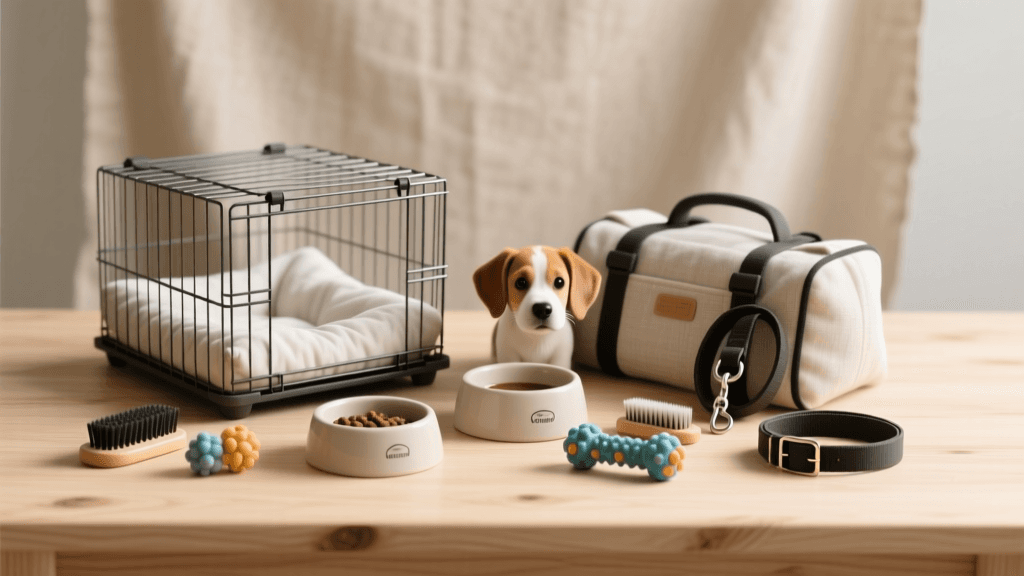
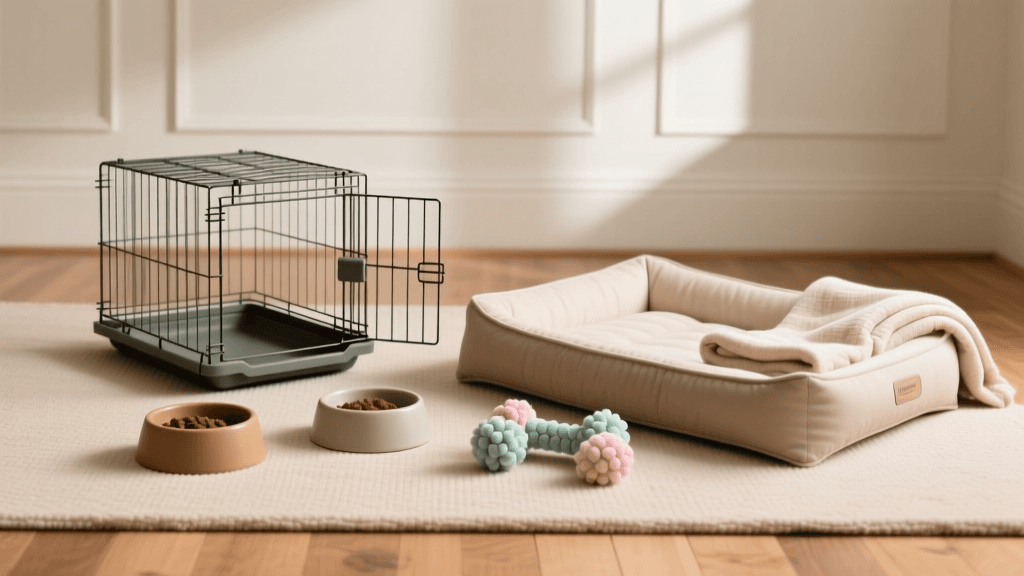
Getting a dog destined for sports means your home preparation must go beyond standard puppy-proofing. High-drive puppies need environmental enrichment that builds confidence without over-stressing their developing joints. Before your puppy arrives, ensure your home is equipped with the following:
- Surface Management: Slippery floors are the enemy of developing puppy joints. Invest in interlocking foam mats or secure area rugs for your main living spaces to prevent splaying and micro-traumas to the growth plates.
- Crate and Pen Training: Sports dogs must learn to 'turn off' and settle. A sturdy, reinforced exercise pen and a properly sized crate are essential for teaching impulse control and enforcing mandatory nap times.
- Sensory Equipment: Introduce proprioception equipment early. Inflatable peanut balls, wobble boards, and low cavaletti poles help build core strength and body awareness long before the puppy ever sees a jump cup.
- Nutritional Planning: Work with a canine sports nutritionist to select a large-breed or active-breed puppy food that promotes slow, steady growth. Rapid growth spurts can lead to orthopedic issues that will sideline your dog before their career even begins.
Conclusion
Selecting an agility puppy is a meticulous process that blends science, observation, and intuition. By focusing on proven health clearances, utilizing standardized temperament tests like the Volhard PAT, and preparing your home for a high-performance athlete, you are setting the foundation for a successful and long-lasting sports career. The 2026 agility season is more competitive and thrilling than ever, and with the right preparation, you and your new canine partner will be ready to tackle the course with confidence and joy.
robin-maitland
All our authors care for dogs every day — read more of their work on the authors page.