The Ultimate Puppy Starter Kit: Essential Gear Buyer's Guide
Discover the ultimate puppy starter kit buyer's guide. We review essential gear, crates, bowls, and toys to help new dog owners prepare for day one.
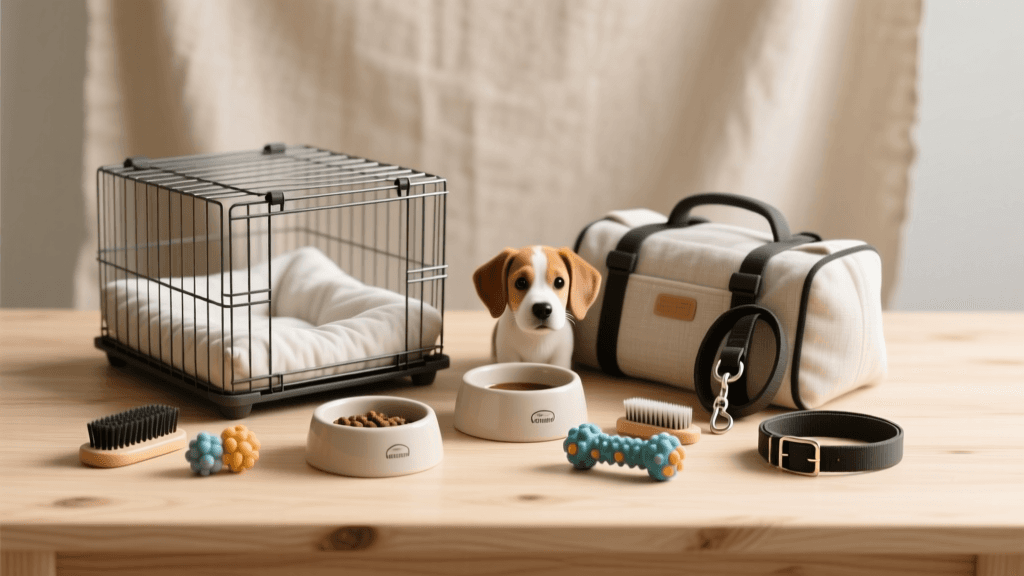
Bringing a new puppy home is one of the most exciting milestones in life, but it can quickly become overwhelming without the right supplies. According to the American Society for the Prevention of Cruelty to Animals (ASPCA), preparing your home and gathering essential gear before your puppy arrives is critical for a smooth transition. This comprehensive buyer's guide breaks down the ultimate puppy starter kit, reviewing the best product categories, specific brand recommendations, and estimated costs to help you make informed purchasing decisions.
Why a Curated Puppy Starter Kit Matters
Many new dog owners fall into the trap of buying cheap, ill-fitting, or unnecessary items that end up in the donation bin a month later. Puppies grow rapidly, chew relentlessly, and require specific safety gear. Investing in high-quality, adaptable products saves money in the long run and ensures your puppy's safety. The American Kennel Club (AKC) emphasizes that having a dedicated shopping list prevents impulse buys and ensures you have day-one necessities like enzymatic cleaners and properly sized crates ready before those tiny paws cross your threshold.
The Essential Puppy Gear Comparison Chart
Before diving into specific product reviews, use this structured comparison chart to understand the baseline requirements, estimated costs, and priority levels for your puppy starter kit.
| Item Category | Recommended Type | Est. Cost Range | Priority Level |
|---|---|---|---|
| Crate | Wire crate with divider panel | $50 - $120 | Essential |
| Bowls | Stainless steel or ceramic | $15 - $30 | Essential |
| Harness | Adjustable front-clip harness | $25 - $60 | Essential |
| Leash | 4 to 6-foot nylon or leather | $15 - $30 | Essential |
| Chew Toys | Rubber stuffable toys, nylon chews | $15 - $40 | High |
| Cleanup | Enzymatic stain & odor remover | $15 - $25 | Essential |
| Bedding | Chew-resistant or elevated cot | $30 - $80 | Medium |
Top Crate Picks for Growing Puppies
A crate is your puppy's den and a vital tool for potty training and safety. For a growing puppy, you must buy a crate that will fit their adult size but includes an adjustable divider panel.
Wire Crates vs. Plastic Kennels
Wire crates, such as the highly rated Midwest Homes for Pets iCrate, offer excellent visibility and ventilation. They fold flat for storage and come with a divider panel, allowing you to expand the space as your puppy grows. Plastic kennels, like the Petmate Sky Kennel, are better suited for travel and airline compliance but offer less visibility and are harder to clean if an accident occurs.
Buyer's Tip: Measure your puppy's expected adult length from the tip of the nose to the base of the tail, and add 2 to 4 inches to determine the correct crate length. For most medium breeds (like Spaniels or Bulldogs), a 36-inch crate is ideal. For large breeds (like Labs or Retrievers), opt for a 42-inch crate.
Nutrition and Feeding Essentials
Puppies are messy eaters, and their bowls need to be durable, hygienic, and easy to clean. Avoid plastic bowls, which can harbor bacteria in micro-scratches and cause canine acne or contact dermatitis on your puppy's snout.
Stainless Steel and Slow Feeders
Invest in heavy-bottomed stainless steel bowls, such as the OurPets Durapet Stainless Steel Bowl. They are dishwasher safe and virtually indestructible. If you are adopting a breed prone to gulping food or bloat (like Great Danes or Boxers), a slow feeder is a mandatory addition. The Outward Hound Fun Feeder Slo-Bowl features maze-like ridges that force puppies to eat at a healthier pace, improving digestion and preventing regurgitation.
Food Storage: Keep your puppy's kibble fresh and safe from pests by storing it in an airtight container. The Gamma2 Vittles Vault is a top-tier buyer choice, featuring a spin-on lid and BPA-free plastic that preserves the nutritional integrity of the food.
Safety, Collars, and Harnesses
While a flat collar is necessary for holding ID tags and rabies certificates, it is not the safest tool for walking a puppy. Puppies have delicate tracheas, and pulling on a flat collar can cause long-term neck damage.
The Best Harnesses for Puppies
A front-clip, adjustable harness is the gold standard for leash training. The Rabbitgoo No-Pull Dog Harness is a budget-friendly, highly adjustable option that grows with your puppy. It features a front D-ring that gently redirects pulling puppies toward you, discouraging the behavior without causing harm. For those willing to invest in premium gear, the Blue-9 Balance Harness offers six points of adjustment, ensuring a custom fit that won't chafe your puppy's armpits or restrict their shoulder movement.
Leash Recommendation: Pair the harness with a standard 6-foot nylon or leather leash. Avoid retractable leashes entirely during the puppy phase; they teach dogs to pull to get more slack and offer zero control in emergency situations.
Enrichment and Teething Relief
Between 12 and 16 weeks of age, puppies begin losing their baby teeth. This teething phase drives them to chew on baseboards, shoes, and furniture. Providing appropriate, durable chew toys is non-negotiable.
Top Chew Toy Recommendations
- KONG Classic (Red or Pink): The undisputed champion of puppy toys. Stuff it with a mixture of plain yogurt, mashed banana, and puppy kibble, then freeze it. The cold rubber soothes inflamed gums while the mental enrichment tires them out.
- Nylabone Puppy Chew: Made from softer, flexible nylon designed specifically for puppy teeth. These help clean teeth and satisfy the urge to gnaw without fracturing delicate young enamel.
- West Paw Zogoflex Toppl: An excellent alternative to the KONG, featuring interlocking pieces that can be adjusted as your puppy's puzzle-solving skills improve.
Cleaning and Potty Training Supplies
Accidents will happen. When a puppy soils the carpet, standard household cleaners will not eliminate the uric acid crystals. If the puppy can still smell their scent, they will return to the same spot to eliminate again.
The Power of Enzymatic Cleaners
You must use an enzymatic cleaner that actively breaks down the biological proteins in urine and feces. Nature's Miracle Advanced Stain and Odor Eliminator is a staple in the puppy starter kit. It uses bio-enzymatic technology to completely eradicate the scent markers.
Potty Training Pads: While outdoor training is the ultimate goal, puppy pads (like the Glad for Pets Black Charcoal Puppy Pads) can be useful for high-rise apartment dwellers or during extreme weather conditions. However, use them strategically to avoid confusing your puppy about where it is acceptable to go to the bathroom.
Grooming and Canine First-Aid Basics
Puppies require early acclimation to grooming tools to prevent lifelong anxiety. Your starter kit should include a soft-bristle brush, such as the Chris Christensen Baby Grooming Brush, which is gentle on puppy skin and coats. Additionally, invest in a high-quality dog nail clipper or grinder. The Dremel PawControl 7760-PGK is a buyer favorite because it gently sands the nail down, eliminating the fear of cutting the quick.
Furthermore, a basic pet first-aid kit is essential. You can build your own or purchase a pre-made kit like the Adventure Medical Kits Mountain Series Dog First-Aid Kit. Ensure your kit includes styptic powder (to stop bleeding from clipped nails), gauze, veterinary wrap, and an antiseptic wipe. Having these items on hand before an emergency occurs is a hallmark of responsible dog ownership.
Final Thoughts on Budgeting for Your Puppy
Building the ultimate puppy starter kit requires an upfront investment, typically ranging from $200 to $400 for high-quality essentials. However, as noted by the Humane Society of the United States, preparing your environment with the right tools drastically reduces behavioral issues, property damage, and stress for both the dog and the owner. Focus your budget on safety and durability—specifically the crate, harness, and enzymatic cleaners—and you will set the foundation for a lifetime of happiness with your new canine companion.
hannah-wickes
All our authors care for dogs every day — read more of their work on the authors page.