Second Dog Myths Debunked: Multi-Pet Household Facts
Thinking of adding a second dog? We debunk common multi-pet household myths, from dominance theory to introductions, with expert-backed facts and tips.

The Reality of the Multi-Dog Dream
Bringing a second dog into your home is a milestone many pet parents dream about. You picture them playing together in the yard, cuddling on the couch, and keeping each other company while you are at work. However, the reality of managing a multi-pet household is often far more complex than the idyllic images we see on social media. According to the American Kennel Club (AKC), successful multi-dog homes require careful planning, structured routines, and a deep understanding of canine behavior. Unfortunately, well-meaning owners often fall victim to outdated myths that can lead to behavioral issues, resource guarding, and severe stress for both the dogs and the humans involved. In this comprehensive guide, we will debunk the most pervasive myths about introducing a second dog and provide actionable, expert-backed strategies to ensure a harmonious multi-pet household.
Myth 1: 'Dogs Are Pack Animals, So They Always Want a Sibling'
One of the most common justifications for adopting a second dog is the belief that dogs are inherently pack animals who are lonely without canine companionship. Owners often feel guilty leaving their dog alone for eight hours and assume a second dog will solve this separation anxiety.
The Fact: Canine Sociability is a Spectrum
While dogs are indeed social creatures, their desire to live with other dogs varies wildly based on genetics, early socialization, and individual temperament. Many modern domestic dogs are perfectly content being the sole focus of their human 'pack.' Forcing a highly territorial or dog-selective resident dog to share their space with a newcomer can actually induce chronic stress rather than alleviate loneliness. If your current dog displays leash reactivity, resource guarding, or fear-based aggression, adding a second dog will not 'socialize' them; it will likely trigger defensive behaviors. Always assess your resident dog's true preferences before committing to an adoption.
Myth 2: 'Let Them Fight It Out to Establish Dominance'
Perhaps the most dangerous myth in dog ownership is the idea that you should let dogs 'work out their hierarchy' on their own. This outdated advice stems from debunked 'alpha' and dominance theories, suggesting that dogs must physically spar to figure out who is the 'top dog' in the house.
The Fact: Management Prevents Trauma and Aggression
According to VCA Animal Hospitals, the dominance theory in domestic dogs has been thoroughly disproven by modern veterinary behaviorists. Dogs do not have a rigid, linear hierarchy that they must establish through physical combat. When owners allow dogs to 'fight it out,' they are not witnessing healthy pack formation; they are witnessing a breakdown of communication that often results in trauma, injury, and long-term behavioral damage. It is the human's responsibility to manage the environment, prevent conflicts over resources, and teach the dogs how to coexist peacefully through positive reinforcement and structured boundaries.
Myth 3: 'A Puppy Will Keep Your Senior Dog Young'
Many owners of aging dogs decide to bring home a bouncy, high-energy puppy, hoping the youthful energy will revitalize their senior dog and keep them active.
The Fact: Energy Mismatches Cause Severe Stress
While some patient senior dogs enjoy the company of a gentle puppy, a high-energy puppy is often a nightmare for an older dog suffering from arthritis, cognitive decline, or sensory loss. Puppies lack bite inhibition and boundary recognition, frequently jumping on, nipping, and harassing older dogs. This constant harassment prevents the senior dog from resting, leading to sleep deprivation, irritability, and a decreased quality of life. The ASPCA strongly recommends matching energy levels and play styles when introducing a new dog. If you have a senior dog, consider adopting a calm, middle-aged foster dog who has a known history of living peacefully with older canines.
The 30-Day Introduction Blueprint: Actionable Steps
Successfully integrating a new dog requires patience. Behaviorists often refer to the '3-3-3 Rule': 3 days of decompression, 3 weeks of learning the routine, and 3 months of building trust. Here is your practical blueprint for the first month.
Phase 1: Scent and Sight (Days 1 to 7)
Do not allow the dogs to meet face-to-face immediately. Keep the new dog in a designated 'basecamp' room equipped with their own bed, water, and enrichment toys. Swap bedding between the dogs daily so they can acclimate to each other's scent without the pressure of physical interaction. Feed them on opposite sides of a closed door to build positive associations with the other's scent.
Phase 2: Parallel Walking (Days 8 to 14)
Once both dogs are relaxed with the scent swapping, introduce them on neutral territory. Have two handlers walk the dogs parallel to each other on leashes, maintaining a distance of at least 10 feet. Gradually decrease the distance over several walks as long as both dogs remain relaxed and exhibit loose body language. Avoid tight spaces, doorways, or head-on approaches, as these trigger confrontational posturing.
Phase 3: Supervised Co-Habitation (Days 15 to 30)
Begin allowing the dogs to share indoor spaces, but keep leashes dragging on the floor for quick intervention. Implement strict 'nothing in life is free' protocols. Ask both dogs to sit before receiving meals, treats, or affection. This prevents competitive rushing and reinforces that humans control the resources.
Essential Gear and Budgeting for Multi-Dog Homes
Setting up a multi-dog home requires an upfront financial investment to ensure safety and proper management. Budget approximately $600 to $900 for initial setup and behavioral management tools.
- Physical Barriers ($60 - $120): Invest in a hardware-mounted baby gate, such as the Carlson Pet Products Extra Tall Walk-Thru Gate. Avoid pressure-mounted gates, as large dogs can easily dislodge them during play. You will need at least two gates to create separate decompression zones.
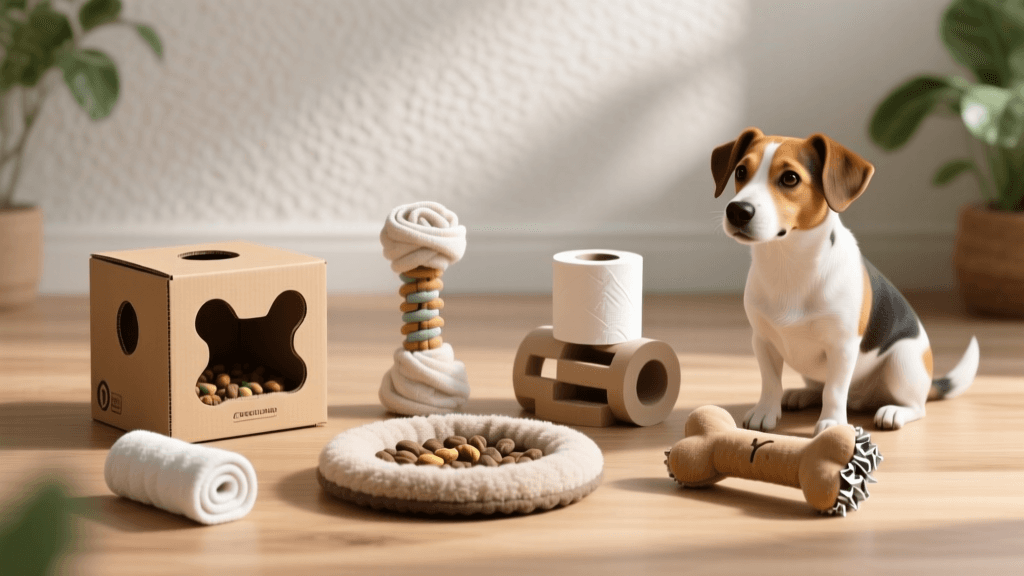
- Enrichment and Decompression ($40 - $80): Purchase KONG Classic toys and snuffle mats for both dogs. Licking and sniffing release endorphins that lower cortisol levels. Feed meals exclusively through these enrichment tools to keep dogs separated and mentally stimulated during the transition.
- Dual-Leash Systems ($30 - $50): A hands-free dual leash or a sturdy waist belt with two separate 6-foot biothane leashes is crucial for parallel walking. Retractable leashes should never be used during introductions as they offer zero control in an emergency.
- Professional Consultation ($150 - $300): If either dog shows signs of stiffness, staring, or lip licking during intros, hire a certified professional dog trainer (CPDT-KA) for an in-home assessment immediately.
Age and Energy Matching Matrix
Use the following matrix to evaluate the compatibility of your resident dog and your prospective adoptee. Matching energy and play style is far more critical than matching breed or size.
| Resident Dog Profile | Ideal Newcomer Match | Risk Level & Notes |
|---|---|---|
| High-Energy Puppy (Under 1 yr) | Adolescent/Adult with high play drive and good bite inhibition | Medium Risk. Requires intense supervision to prevent bullying. |
| Adult Working Breed (1-5 yrs) | Active adult dog with similar exercise needs; opposite sex preferred | Low Risk if properly exercised. Same-sex aggression is common in certain breeds. |
| Senior Dog (8+ yrs) | Calm, middle-aged adult dog (4-7 yrs) with low play drive | High Risk if paired with a puppy. Senior dog needs guaranteed undisturbed rest areas. |
| Fearful/Anxious Adult | Confident, 'bombproof' adult dog who ignores other dogs | Low Risk. A calm mentor dog can help model relaxed behavior. |
Final Thoughts on Multi-Pet Harmony
Building a peaceful multi-dog household is not about leaving them alone to 'figure it out.' It is about active management, environmental design, and respecting the individual boundaries of each animal. By discarding outdated dominance myths and relying on modern, science-based behavioral protocols, you can foster a genuine bond between your dogs. Remember that every dog is an individual; some will become inseparable best friends, while others will simply learn to politely coexist as roommates. Both outcomes are a massive success when achieved through patience, structured introductions, and proactive management.
robin-maitland
All our authors care for dogs every day — read more of their work on the authors page.