The Science of Sniffaris: Optimize Your Dog's Walks
Discover the science behind canine sniffaris. Learn how scent-based mental enrichment lowers dog heart rates and transforms daily walks.
The Biology of the Canine Nose: Why Sniffing Matters
Every morning, millions of dog owners grab a leash and head out the door with a singular goal: to walk their dog for physical exercise. We march down sidewalks, pull our dogs away from interesting bushes, and rush to complete our daily miles. However, canine science reveals a profound truth about how dogs experience the world. To a dog, a walk is not primarily a physical workout; it is an information-gathering expedition. Understanding the science behind canine olfaction can completely transform your daily routine from a stressful chore into a deeply enriching experience for both you and your pet.
According to research highlighted by the Horowitz Dog Cognition Lab at Barnard College, dogs experience the world primarily through their noses. While humans have approximately 6 million olfactory receptors, dogs possess up to 300 million, depending on the breed. Furthermore, the olfactory cortex—the area of the brain dedicated to analyzing odors—is proportionally 40 times greater in dogs than in humans. When your dog stops to sniff a fire hydrant, they are not just smelling urine; they are reading a complex chemical bulletin board that reveals the sex, age, health status, and even the emotional state of the dogs who passed by earlier.
The Physiology of Sniffing: Heart Rate and Stress Reduction
One of the most compelling science-backed insights into dog walking is the physiological effect of sniffing on a dog's nervous system. Sniffing is an active, cognitively demanding process that engages the parasympathetic nervous system. Studies have shown that sustained sniffing actually lowers a dog's heart rate and promotes a state of calm. In contrast, forced, fast-paced heel walking can elevate cortisol levels and increase arousal, particularly in reactive or anxious dogs.
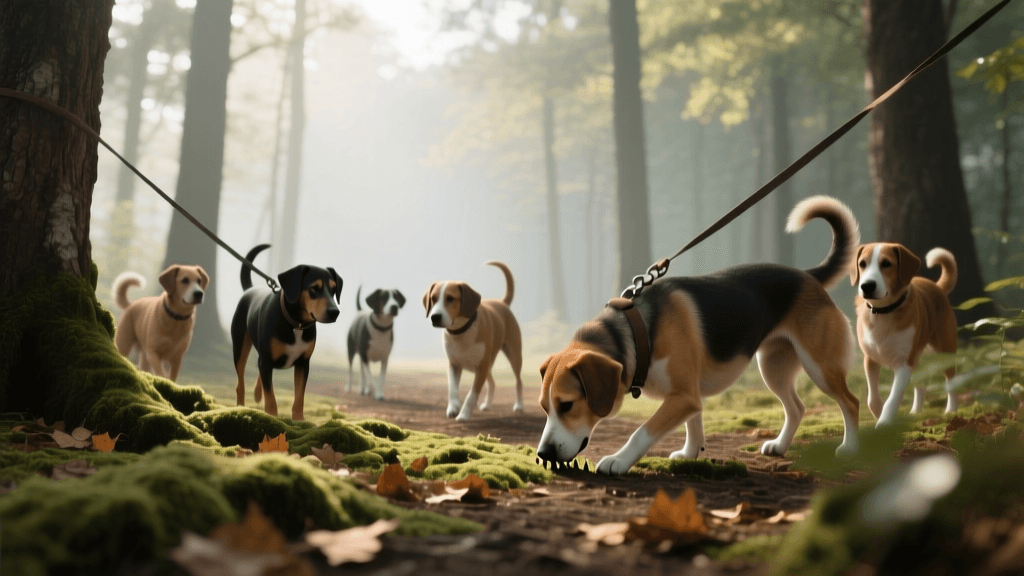
The ASPCA strongly advocates for environmental enrichment, noting that mental stimulation is just as critical as physical exercise for preventing behavioral issues. A 20-minute 'sniffari'—a walk where the dog is allowed to lead the pace and sniff to their heart's content—can provide the same level of mental exhaustion as a rigorous one-hour physical run. This is a game-changer for multi-pet households, busy professionals, or owners living in extreme weather conditions where long physical hikes are impractical.
Physical Exercise vs. Mental Enrichment: The Data
To help you structure your daily routine, here is a comparison of how different walking styles impact your dog's body and mind.
| Activity Type | Primary Benefit | Heart Rate Impact | Caloric Burn | Recommended Duration |
|---|---|---|---|---|
| Brisk Physical Walk | Cardiovascular health, muscle tone | Elevates pulse | High | 30 - 60 minutes |
| Sniffari (Scent Walk) | Mental enrichment, stress reduction | Lowers pulse (calming) | Low to Moderate | 15 - 30 minutes |
| Indoor Scent Games | Cognitive stimulation, bonding | Neutral / Calming | Low | 10 - 15 minutes |
How to Execute a Science-Backed Sniffari
Transitioning from a traditional walk to a sniffari requires a shift in mindset and a few adjustments to your gear. Here is your actionable guide to optimizing your dog's scent walks.
1. The Right Gear: Harnesses and Long Lines
To allow your dog the freedom to explore, you must abandon short, restrictive leashes and collar setups that put pressure on the trachea. Invest in a Y-shaped harness (such as the Ruffwear Front Range or Perfect Fit Harness, typically costing between $25 and $45). A Y-shaped design ensures that the straps do not restrict the shoulder joints, allowing for a full range of motion as your dog leans in to investigate scents.
Pair this with a 15 to 30-foot biothane long line ($20 to $35). Biothane is ideal because it is waterproof, easy to clean, and doesn't tangle or burn your hands like nylon rope. The long line provides a 'decompression zone,' giving your dog the radius needed to follow a scent trail without feeling tethered.
2. Choosing the Right Route
Sidewalks and manicured lawns offer very little olfactory data. For a true sniffari, seek out 'sniff spots'—areas with tall grass, dirt paths, clusters of trees, or overgrown patches. The more varied the terrain, the richer the scent profile. Wind direction also matters; try to walk into the wind so scents are carried directly to your dog's nose, maximizing their cognitive engagement.
3. The Golden Rule: Let the Dog Lead
The hardest part of a sniffari for humans is patience. When your dog stops to sniff a patch of weeds for three uninterrupted minutes, do not pull them away. Stand still, relax your grip on the long line, and let them process the information. If you must move on, use a gentle verbal cue like 'Let's go' rather than a physical tug.
'Dogs are olfactory creatures. To deny them the opportunity to sniff is akin to blindfolding a human on a walk through a beautiful forest. The sniffari is not just a walk; it is a cognitive necessity.' — Adapted from the research principles of canine cognition experts.
Adapting Sniffaris for Senior and Mobility-Impaired Dogs
Science-backed enrichment is especially vital for aging dogs. Senior dogs, or those recovering from orthopedic surgeries, often cannot handle the physical impact of long walks. However, their olfactory systems remain sharp. A slow, 15-minute sniffari on soft grass provides immense mental stimulation without stressing arthritic joints. For dogs with severe mobility issues, you can bring the sniffari to them by creating 'scent stations' in your backyard or on your patio using safe, dog-friendly herbs like rosemary, mint, and chamomile scattered in shallow cardboard boxes.
Indoor Olfactory Enrichment: Bringing the Sniffari Inside
Weather doesn't always permit outdoor adventures, but mental enrichment remains a daily requirement. The American Kennel Club recommends incorporating indoor scent games to prevent boredom and destructive behaviors. Here are three practical, low-cost methods to engage your dog's nose indoors:
- Scatter Feeding: Instead of feeding your dog from a stainless steel bowl (which takes about 10 seconds to empty), scatter their daily kibble across a clean carpet or lawn. This forces them to forage, turning a 10-second meal into a 15-minute cognitive puzzle.
- Snuffle Mats: These fabric mats mimic tall grass. You can purchase a high-quality mat from brands like Outward Hound ($15 to $25) or DIY one using a rubber sink mat and strips of fleece. Hide high-value treats, like freeze-dried liver or Zuke's Mini Naturals, deep within the fabric strips.
- Scent Tracking Games: Hide a favorite toy or a treat-stuffed KONG Classic ($12 to $18) in another room. Give your dog the cue 'Find it!' and let them use their nose to locate the prize. Start with easy, visible placements and gradually increase the difficulty by hiding items under blankets or behind furniture.
Conclusion: Redefining the Daily Walk
Embracing the science of canine olfaction means redefining what a 'good walk' looks like. It is no longer about logging miles or maintaining a brisk pace; it is about honoring your dog's biological imperative to process the world through scent. By incorporating sniffaris, investing in a long line, and utilizing indoor scent games, you are providing your dog with the mental enrichment they crave. The result is a calmer, more fulfilled dog and a deeper, more empathetic bond between you and your canine companion. Tomorrow morning, leave the stopwatch at home, grab the long line, and let your dog's nose lead the way.
marcus-aldridge
All our authors care for dogs every day — read more of their work on the authors page.