Science-Backed Dog Training: Why Positive Reinforcement Works
Discover the science behind positive reinforcement dog training. Learn why reward-based methods outperform aversive techniques for lasting obedience.
The Neurobiology of Canine Learning
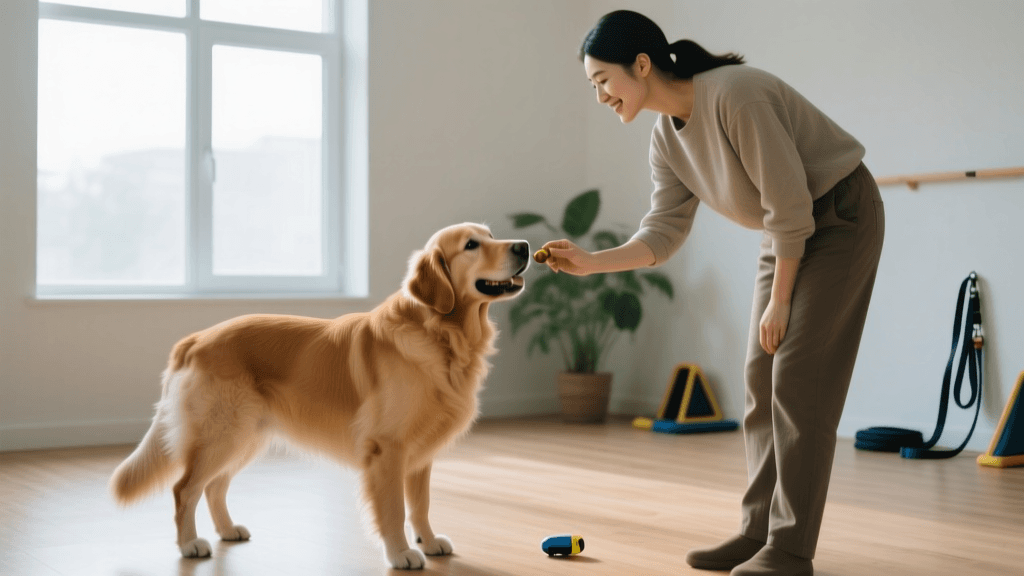
For decades, dog training was heavily influenced by outdated dominance theories and anecdotal traditions. However, modern veterinary science and applied animal behaviorism have completely revolutionized our understanding of how canines learn. At the core of this paradigm shift is a deep understanding of neurobiology. When a dog successfully performs a behavior that results in a reward, the brain's mesolimbic dopamine system is activated. Dopamine is not merely a 'pleasure chemical'; it is a critical neurotransmitter that facilitates neuroplasticity, cementing the neural pathways associated with that specific behavior.
Science-backed dog training leverages these biological mechanisms to create reliable, enthusiastic, and stress-free obedience. By understanding the cognitive and emotional frameworks of the canine brain, owners can achieve profound behavioral modifications without compromising the human-animal bond.
Operant Conditioning: The Four Quadrants Explained
To understand why science overwhelmingly favors reward-based methods, we must first look to B.F. Skinner's framework of Operant Conditioning. This framework is divided into four quadrants based on whether a stimulus is added (positive) or removed (negative), and whether the behavior increases (reinforcement) or decreases (punishment).
- Positive Reinforcement (R+): Adding a desirable stimulus to increase a behavior. (e.g., Giving a treat when the dog sits).
- Negative Punishment (P-): Removing a desirable stimulus to decrease a behavior. (e.g., Stepping away and ignoring the dog when they jump up for attention).
- Positive Punishment (P+): Adding an aversive stimulus to decrease a behavior. (e.g., Using a shock collar or leash correction to stop pulling).
- Negative Reinforcement (R-): Removing an aversive stimulus to increase a behavior. (e.g., Applying ear pressure until the dog sits, then releasing the pressure).
While all four quadrants can technically alter behavior, modern behavioral science focuses heavily on R+ and P- due to their efficacy and lack of detrimental side effects.
The Scientific Case Against Aversive Methods
The use of Positive Punishment (P+) and Negative Reinforcement (R-)—collectively known as aversive or 'balanced' training methods—has been heavily scrutinized by the scientific community. The primary concern is not just about ethics, but about the physiological stress response and long-term behavioral fallout.
A landmark 2020 study published in PLOS ONE by Vieira de Castro et al. evaluated the welfare of dogs trained with reward-based methods versus aversive methods. The researchers found that dogs subjected to aversive training (such as leash popping, yelling, and shock collars) exhibited significantly higher post-training cortisol levels in their saliva. Furthermore, these dogs displayed more stress-related behaviors during training sessions, including yawning, lip-licking, and lowered body postures. The study also concluded that dogs trained with aversives exhibited a more 'pessimistic' cognitive bias, meaning the stress of the training literally altered their baseline emotional state.
'The use of aversive training methods is associated with higher levels of stress-related behaviors and physiological stress responses, potentially compromising the welfare of the dog.' — Vieira de Castro et al., PLOS ONE (2020)
Furthermore, the American Veterinary Society of Animal Behavior (AVSAB) explicitly advises against the use of punishment in dog training. Their official position statements highlight that aversive methods can suppress warning signs (like growling) without addressing the underlying emotional trigger (fear or anxiety), often resulting in dogs that bite 'without warning.' The ASPCA similarly endorses positive reinforcement, noting that reward-based training builds trust and accelerates the learning process by making the dog an active, willing participant.
Data Comparison: Reward-Based vs. Aversive Training
How do the two primary methodologies stack up against each other when measured by scientific and behavioral metrics? The following table outlines the comparative data based on current veterinary behavior literature.
| Metric | Positive Reinforcement (R+) | Aversive / Punishment (P+) |
|---|---|---|
| Cortisol Response | Low to Baseline (Stress-free) | Elevated (Acute and Chronic Stress) |
| Learning Speed | Rapid acquisition of novel behaviors | Slower acquisition; high hesitation |
| Long-Term Retention | High (Dogs willingly offer behaviors) | Moderate (Behaviors require enforcement) |
| Risk of Aggression | Minimal to None | High (Defensive/Fear-based aggression) |
| Human-Canine Bond | Strengthened via trust and play | Degraded via fear and avoidance |
Actionable Protocol: Implementing R+ Training
Transitioning to a science-backed, positive reinforcement protocol requires precision, consistency, and the right tools. Here is a step-by-step guide to optimizing your training sessions.
1. The Marker Signal and Timing
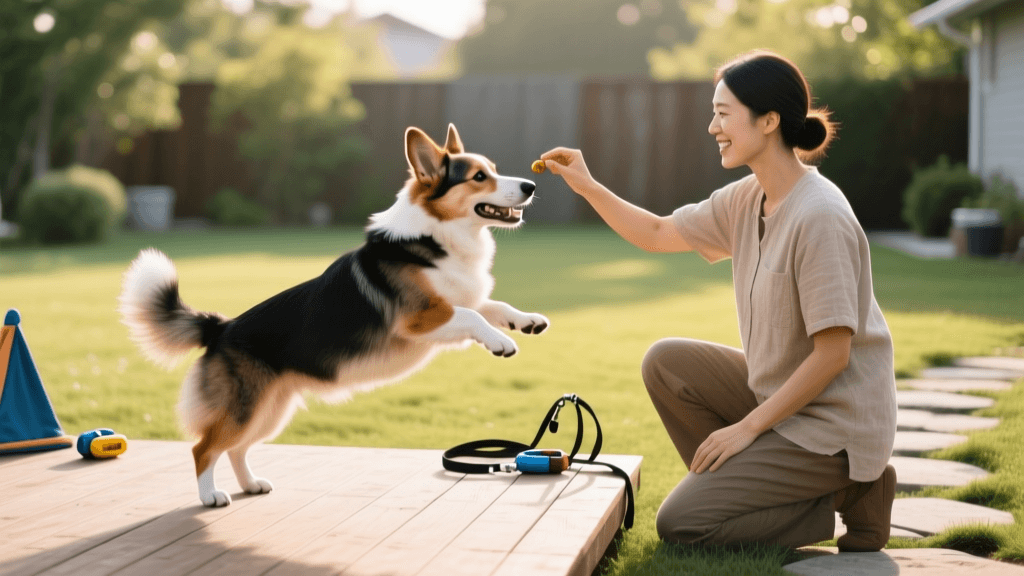
Dogs do not understand human language natively; they understand timing. To bridge the gap between the behavior and the reward, use a 'marker.' A mechanical clicker, such as the Karen Pryor i-Click (costing roughly $5 to $8), provides a consistent, emotionally neutral acoustic signal. The scientific rule of thumb is the 1.5-second window. You must mark the exact moment the desired behavior occurs and deliver the primary reinforcer (food) within 1.5 seconds. If you miss this window, the dog may associate the reward with a secondary, unintended behavior.
2. Establishing a Reward Hierarchy
Not all rewards are created equal. The brain's dopamine response is heavily influenced by the value of the reward, which is entirely subjective to the dog and the environment. You must establish a tiered reward system:
- Low-Value (Base Pay): Dry kibble or generic biscuits. Best for simple, known behaviors in low-distraction environments (e.g., sitting in the living room).
- Medium-Value (Performance Bonus): Commercial soft treats like Zuke's Mini Naturals (approx. $6 for a 6oz bag) or string cheese. Ideal for leash walking in the neighborhood or learning new tricks.
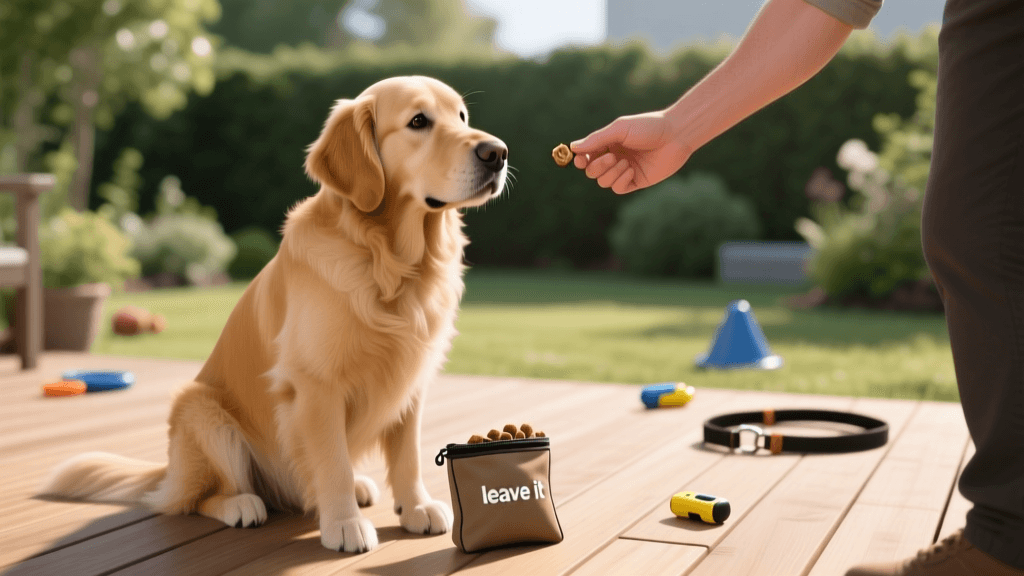
- High-Value (Jackpot): Boiled chicken breast, freeze-dried liver, or roasted turkey. Reserved for high-stress environments, recall training, and counter-conditioning fear triggers.
3. Rate of Reinforcement (RR)
When teaching a new behavior, the Rate of Reinforcement should be high. Science suggests delivering 10 to 15 rewards per minute during the initial acquisition phase. This rapid-fire feedback loop keeps the dog engaged and accelerates the mapping of neural pathways. Once the behavior is fluent, you can transition to a variable ratio reinforcement schedule (rewarding unpredictably), which is scientifically proven to make behaviors highly resistant to extinction.
Understanding Extinction Bursts
When you use Negative Punishment (P-) to stop an unwanted behavior—such as ignoring a dog that is barking for attention—you must be prepared for an 'extinction burst.' In behavioral science, an extinction burst is a sudden, temporary increase in the frequency, duration, or intensity of a behavior when the expected reward is withheld.
For example, if a dog barks and you ignore them, they will likely bark louder and more frantically before they stop. Many owners mistakenly believe the training is failing at this exact moment and give in, thereby reinforcing the louder, more intense barking. Understanding the science of the extinction burst allows you to remain stoic, wait out the neurological frustration response, and reward the eventual moment of silence.
Conclusion
The science of canine cognition is clear: dogs learn best when they feel safe, engaged, and rewarded. By abandoning outdated aversive techniques and embracing the neurobiological realities of positive reinforcement, you are not just teaching your dog commands; you are fostering a resilient, confident, and deeply bonded companion. Equip yourself with a clicker, high-value treats, and an understanding of operant conditioning, and you will unlock your dog's true cognitive potential.
priya-sutaria
All our authors care for dogs every day — read more of their work on the authors page.