The Neuroscience of Dog Sniffing: Science-Backed Scent Enrichment
Discover the neuroscience behind why dogs sniff and learn science-backed scent enrichment techniques to reduce anxiety and boost canine cognitive health.
The Olfactory Bulb: A Dog's Neurological Superpower
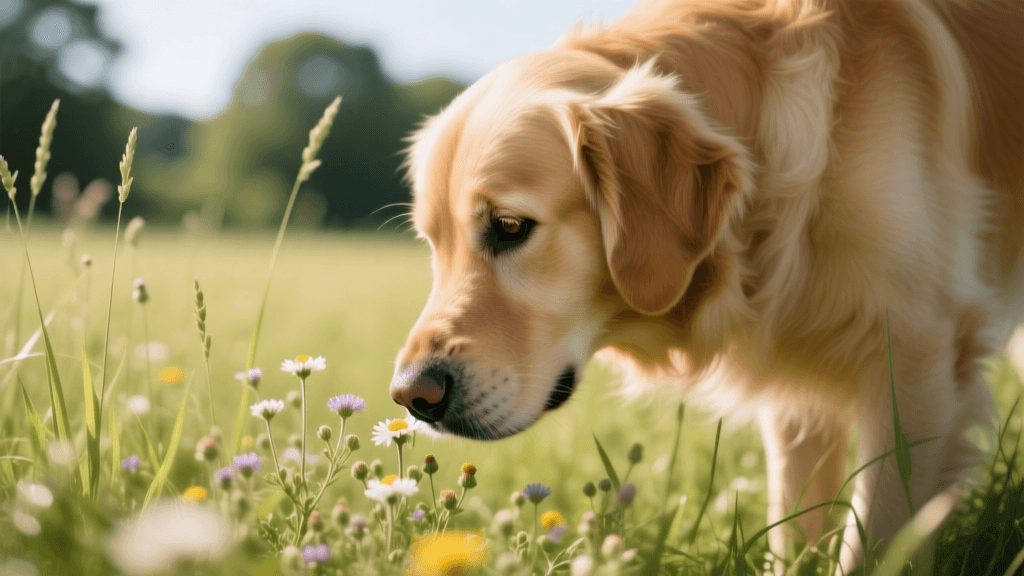
When you take your dog for a walk, you might feel frustrated when they stop to sniff every single blade of grass, fire hydrant, and tree trunk. However, from a neurological perspective, your dog is not just smelling; they are reading a complex, invisible newspaper of their environment. To truly understand canine behavior, we must look at the science of dog olfaction and recognize that sniffing is a vital cognitive exercise.
The canine olfactory system is a marvel of evolutionary biology. While humans possess approximately 6 million olfactory receptors, dogs have up to 300 million, depending on the breed. According to research highlighted by the Smithsonian Magazine, the part of a dog's brain that is devoted to analyzing smells is proportionally 40 times greater than ours. Furthermore, the olfactory bulb in dogs contains a highly specialized structure called the olfactory epithelium, which captures scent molecules and sends them directly to the brain's limbic system, the area responsible for emotion and memory.
This neurological wiring means that sniffing is not merely a passive sensory input; it is an active, high-energy cognitive task. Veterinary behaviorists often note that 20 minutes of intense, focused sniffing can mentally fatigue a dog as much as an hour of rigorous physical exercise like running or playing fetch.
The Physiology of the Sniff: Jacobson's Organ
Beyond the primary olfactory system, dogs possess a secondary scent-processing mechanism known as the vomeronasal organ, or Jacobson's organ. Located in the roof of the mouth, behind the upper incisors, this organ is dedicated to detecting pheromones and heavy moisture-borne molecules.
When a dog encounters a particularly intriguing scent—such as the urine marking of another dog—they may exhibit the Flehmen response. This involves curling the upper lip, closing the nostrils, and holding their breath momentarily to trap the scent molecules and push them into Jacobson's organ. This scientific mechanism allows dogs to determine the sex, reproductive status, and even the emotional state of other animals in the area. Understanding this dual-scent processing system is crucial for dog owners who want to provide appropriate, biologically fulfilling enrichment.
The Behavioral Impact: Sniffing and the Parasympathetic Nervous System
One of the most profound science-backed insights into canine behavior is the relationship between sniffing and the autonomic nervous system. When a dog engages in deep, rhythmic sniffing, it activates the parasympathetic nervous system—the body's 'rest and digest' network. This activation leads to a measurable decrease in heart rate and a reduction in cortisol (the primary stress hormone).
The American Kennel Club emphasizes that allowing dogs to engage in 'sniffaris' (walks dedicated primarily to scent exploration rather than physical distance) is a powerful tool for managing canine anxiety, reactivity, and hyperactivity. By forcing a dog to slow down and process environmental data, you are essentially providing them with a natural, neurologically driven calming mechanism.
Science-Backed Scent Enrichment: Actionable Protocols
To harness the neurological benefits of sniffing at home, dog owners should implement structured scent enrichment protocols. Below are three science-backed methods, complete with specific product recommendations, timing, and cost estimates.
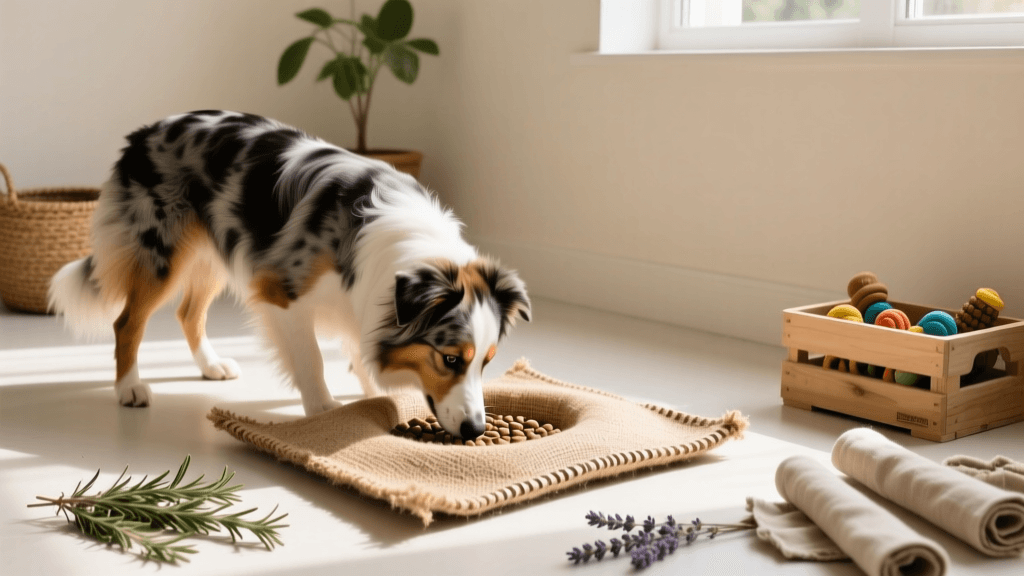
1. The Snuffle Mat Protocol
A snuffle mat mimics the natural foraging behavior of canines in the wild, requiring them to use their nose to locate hidden food among dense fabric strips.
- Recommended Product: Outward Hound Snuffle Mat or Paw5 Wooly Snuffle Mat.
- Cost: $25 - $45.
- Setup & Timing: Take 1/4 cup of your dog's daily kibble allowance and bury it deep within the fabric strands. Allow your dog to forage for 10 to 15 minutes.
- Scientific Benefit: Promotes sustained focus and lowers arousal levels before high-stress events like thunderstorms or owner departures.
2. DIY Indoor Scent Trails
Scent trailing taps into a dog's natural tracking instincts, engaging the olfactory cortex and problem-solving regions of the brain.
- Materials Needed: High-value freeze-dried treats (e.g., Stella & Chewy's Beef Liver) and cotton swabs.
- Cost: $10 - $15 for treats.
- Setup & Timing: Rub a treat on a cotton swab and drag it across the floor in a 10-foot trail, ending with a small pile of treats. Start with simple, straight lines and gradually introduce corners and elevation (e.g., leading up to a chair leg).
- Scientific Benefit: Enhances spatial awareness and builds confidence in timid dogs by providing a clear, achievable neurological reward loop.
3. LickiMat and Foraging Toys
While licking is not strictly sniffing, the close proximity of the nose to the food source, combined with the repetitive motion, stimulates similar calming neural pathways.
- Recommended Product: LickiMat Soother or KONG Classic.
- Cost: $12 - $18.
- Setup & Timing: Spread 2 tablespoons of plain, unsweetened Greek yogurt or pure pumpkin puree onto the mat. Freeze for 2 hours. Provide to your dog during times they would normally exhibit separation anxiety.
- Scientific Benefit: The repetitive licking releases endorphins in the canine brain, acting as a natural self-soothing mechanism.
Comparison Chart: Scent Enrichment Methods
Choosing the right enrichment depends on your dog's energy level, age, and specific behavioral needs. Refer to the table below to select the optimal protocol.
| Enrichment Method | Estimated Cost | Setup Time | Cognitive Load | Best Use Case |
|---|---|---|---|---|
| Snuffle Mat | $25 - $45 | 2 minutes | Moderate | Daily meal replacement; mild anxiety |
| DIY Scent Trails | $10 - $15 | 5 minutes | High | High-energy breeds; rainy day indoor exercise |
| LickiMat (Frozen) | $12 - $18 | 5 mins + 2 hrs freeze | Low (Sensory) | Separation anxiety; crate training |
| Scatter Feeding (Grass) | $0 | 1 minute | Moderate | Decompression walks; reactive dogs |
Implementing a Daily Olfactory Routine
To maximize the behavioral benefits of scent enrichment, consistency is key. The ASPCA recommends integrating mental stimulation into your dog's daily schedule to prevent boredom and destructive behaviors. Here is a sample science-backed daily routine:
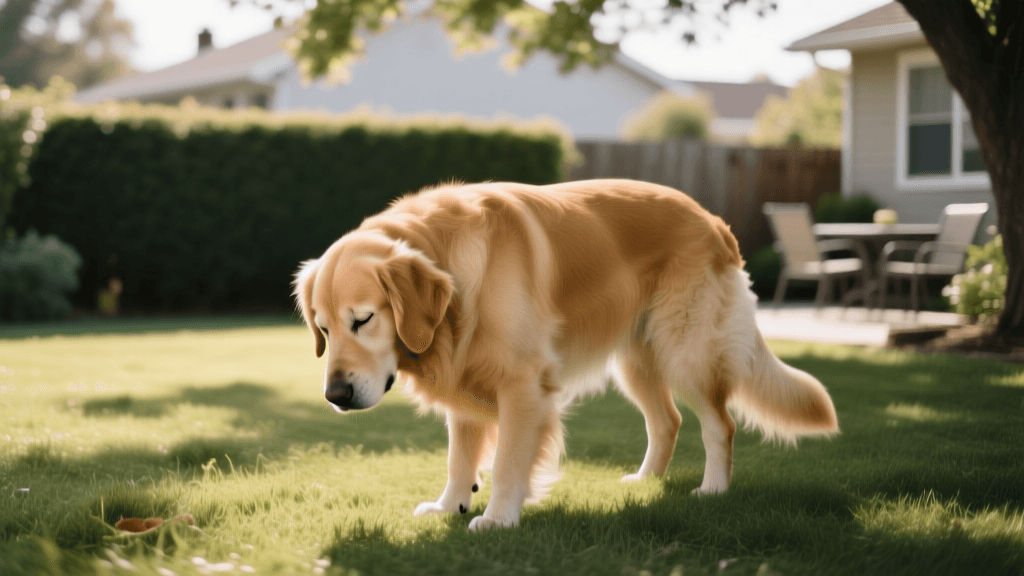
- Morning (5 Minutes): Skip the food bowl. Instead, scatter your dog's morning kibble across a safely fenced yard or use a snuffle mat indoors. This engages their brain immediately upon waking and sets a calm tone for the day.
- Afternoon Walk (20 Minutes): Embark on a 'sniffari.' Use a 10-foot biothane long line to give your dog the freedom to explore scent markers at their own pace. Do not rush them; let them process the environmental data.
- Evening Wind-Down (10 Minutes): Provide a frozen LickiMat or a KONG stuffed with a scent-rich, dog-safe broth. This triggers the parasympathetic nervous system, lowering their heart rate and preparing their neurobiology for sleep.
A Note on Caloric Management
When implementing food-based scent enrichment, it is vital to calculate your dog's daily caloric requirements to prevent obesity. Measure out your dog's total daily kibble allowance in the morning, and use those exact measurements for your snuffle mats and scent trails. If using high-value treats like freeze-dried liver, reduce their standard meal portion accordingly.
Conclusion
Understanding the neuroscience behind why dogs sniff transforms the way we interact with our pets. By shifting our perspective from viewing sniffing as a nuisance to recognizing it as a vital neurological necessity, we can vastly improve our dogs' cognitive health and emotional well-being. Incorporating science-backed scent enrichment into your daily routine is one of the most effective, affordable, and biologically appropriate ways to honor your dog's natural instincts.
jonas-cole
All our authors care for dogs every day — read more of their work on the authors page.