Decoding Canine Calming Signals and Stress Displacement
Learn to decode canine calming signals and stress displacement behaviors. Expert analysis on dog body language, triggers, and actionable training tips.
The Science of Canine Communication: Beyond the Bark
As a canine behaviorist, one of the most common misconceptions I encounter is the belief that dogs communicate primarily through vocalization. While barks, growls, and whines are certainly part of their repertoire, the vast majority of canine communication is visual, subtle, and entirely silent. To truly understand your dog, you must learn to read the micro-expressions and postural shifts that dictate their emotional state. According to the ASPCA, canine body language is a complex spectrum of signals designed to maintain social harmony, establish boundaries, and express internal physiological states. When we fail to recognize these early whispers of communication, dogs are often forced to escalate to louder, more dangerous behaviors like snapping or biting. This article provides an expert-level analysis of two critical categories of canine body language: calming signals and stress displacement behaviors, alongside actionable, data-driven protocols to help your dog navigate a stressful world.
What Are Calming Signals?
The concept of "calming signals" was popularized by Norwegian dog trainer and behaviorist Turid Rugaas. These signals are essentially appeasement gestures. In the wild, canids use these subtle movements to de-escalate potential conflicts, signal peaceful intentions, and self-soothe when experiencing mild autonomic arousal. When your dog exhibits a calming signal, they are actively trying to lower the emotional temperature of an interaction. They might be telling you, "I mean no harm," or they might be saying, "I am feeling overwhelmed, please give me space." Recognizing these signals is paramount for any owner looking to build trust and prevent behavioral fallout.
Top 5 Calming Signals Every Owner Must Recognize
- Yawning (Out of Context): While dogs yawn when tired, a sudden yawn during a veterinary exam, a hug, or a scolding is a classic calming signal indicating internal tension.
- Lip Licking or Tongue Flicking: A rapid, short flick of the tongue over the nose or lips, often occurring when a dog is approached too quickly or handled in a way they find intrusive.
- Head Turning or Averting Gaze: Direct, sustained eye contact is considered confrontational in canine ethology. A dog who turns their head away or offers "whale eye" (showing the whites of their eyes) is attempting to diffuse a perceived threat.
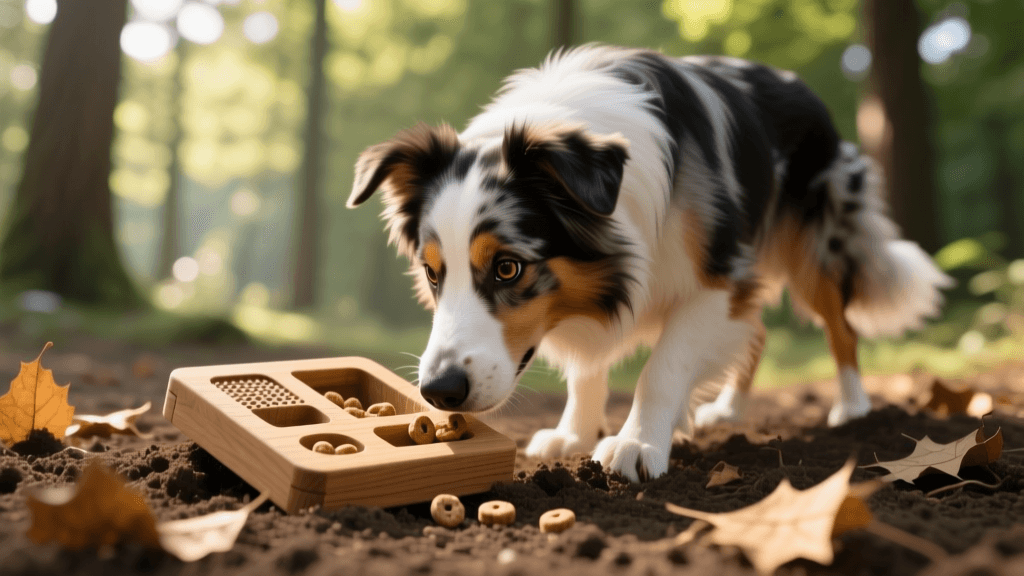
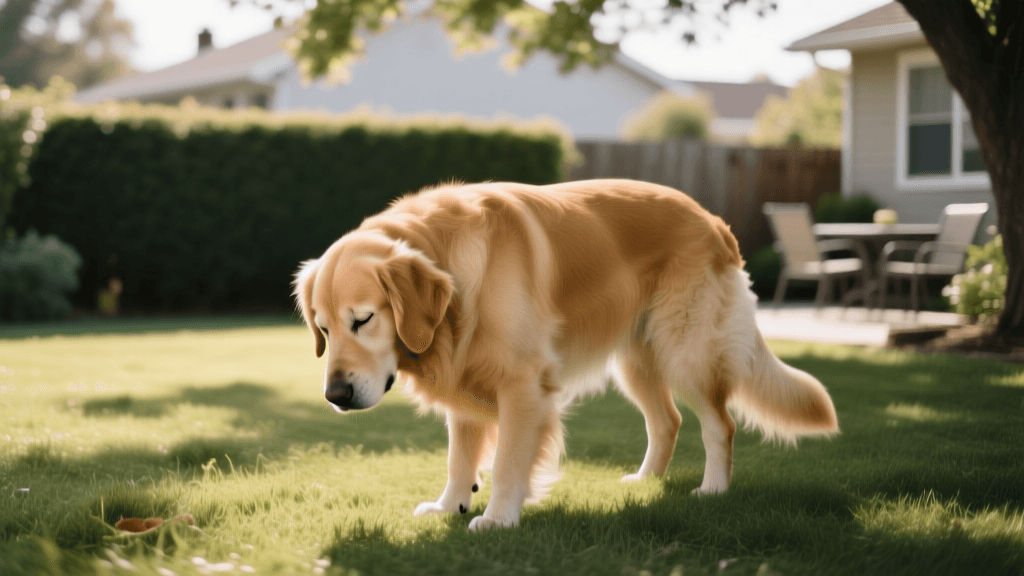
- Sniffing the Ground: Sudden, intense sniffing of the ground when another dog approaches or when called by an angry owner is a displacement and calming behavior meant to signal non-engagement.
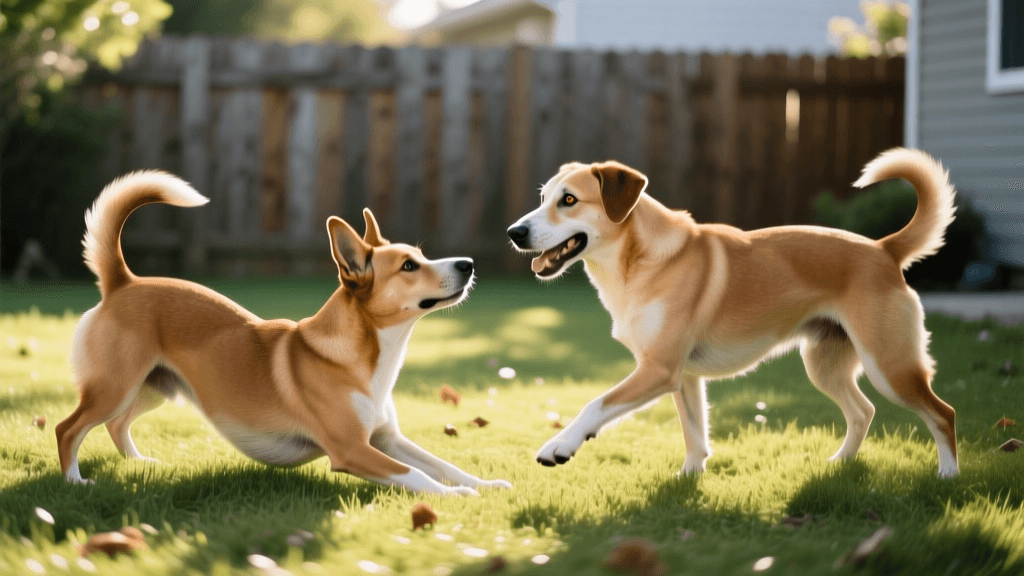
- The Play Bow: While used to initiate play, a play bow can also be used as an appeasement gesture to calm down an overly excited or aggressive dog, essentially saying, "Let's keep things peaceful."
The American Kennel Club (AKC) emphasizes that recognizing these signals early allows owners to intervene before a dog's stress hormones, such as cortisol and adrenaline, reach a critical threshold that triggers a fight-or-flight response.
Stress Displacement Behaviors vs. Calming Signals
While calming signals are directed outward to manage the social environment, displacement behaviors are internal coping mechanisms. A displacement behavior occurs when a dog experiences conflicting drives or emotional frustration. For example, a dog may want to approach a new person but simultaneously feels fearful. This neurological conflict results in a behavior that is completely out of context for the situation. Common displacement behaviors include sudden, vigorous scratching, full-body shake-offs (as if wet), excessive grooming, or mounting. These behaviors serve as a "pressure release valve" for the dog's autonomic nervous system. If you notice your dog frequently exhibiting displacement behaviors, it is a clear indicator that their current environment or training protocol is exceeding their emotional threshold.
Behavioral Analysis Chart: Context is Everything
To accurately analyze canine behavior, context is the most critical variable. The table below breaks down how to differentiate between normal behaviors, calming signals, and displacement behaviors.
| Behavior | Normal Context | Stress / Displacement Context | Expert Intervention |
|---|---|---|---|
| Yawning | Waking up from a nap, tired after exercise. | During a nail trim, when being scolded, or when a stranger looms over them. | Stop the intrusive action immediately; give the dog physical space. |
| Shake-Off | Drying off after a bath or swimming. | After a tense interaction with another dog or a stressful vet visit. | Allow the shake-off to complete; it is a natural cortisol reset mechanism. |
| Scratching | Flea bite, dry skin, or normal grooming. | Sudden, intense scratching when asked to perform a difficult obedience cue. | Lower the criteria of the training; the dog is experiencing cognitive frustration. |
| Sniffing | Exploring a new environment, tracking a scent. | Sniffing intently when called by an owner with an angry tone of voice. | Soften your tone; avoid punitive recall training which breeds avoidance. |
Actionable Interventions: Reducing Canine Stress
Understanding the ethology behind these behaviors is only the first step. As behaviorists, we must implement practical, measurable interventions to lower a dog's baseline stress levels and teach them healthier coping mechanisms. Below are specific environmental modifications and behavioral protocols, complete with product recommendations, measurements, and timing parameters.
Environmental Modifications and Product Recommendations
Creating a "decompression zone" is essential for dogs exhibiting chronic stress signals. This space should be a predictable, low-stimulus environment where the dog can retreat without being followed or handled.
- The Safe Enclosure: For medium-sized dogs (30-50 lbs), I recommend the MidWest Homes for Pets Ultima Pro Crate (36 x 23 x 25 inches, approx. $85). Place this in a low-traffic area of the home. Cover the top and sides with a breathable blanket to create a den-like atmosphere, reducing visual stimuli by up to 70%.
- Olfactory Enrichment: Engaging the olfactory cortex lowers heart rate and promotes parasympathetic nervous system activation. Use a Paw5 Wooly Snuffle Mat (12 x 18 inches, approx. $45). Hide 1/4 cup of your dog's daily kibble ration in the mat for 15 minutes of decompression foraging.
- Pheromone Therapy: Plug in an Adaptil Calm Home Diffuser (approx. $25 per unit, refills $18). This synthetic analogue of the dog-appeasing pheromone (DAP) covers up to 700 square feet. It must remain plugged in 24/7 to maintain consistent environmental saturation.
- Auditory Masking: Use a LectroFan White Noise Machine (approx. $40). Set it to a non-repetitive white noise or brown noise setting at roughly 50-60 decibels to mask triggering outdoor sounds like delivery trucks or neighborhood dogs.
Behavioral Protocols: The Engage-Disengage Game
When dealing with reactivity or fear-based stress signals, we use the Engage-Disengage protocol to rewire the dog's emotional response to triggers. This requires precise timing and distance management.
- Find the Threshold: Identify the exact distance at which your dog notices the trigger (e.g., a stranger) but does not react with barking or lunging. This is often between 15 and 30 feet.
- Engage (Mark): The moment your dog looks at the trigger, use a marker word like "Yes!" or a clicker. Timing constraint: The mark must occur within 0.5 seconds of the dog noticing the trigger, before they offer a stress signal like lip licking or stiffening.
- Disengage (Reward): The dog should turn away from the trigger to look at you for the treat. Deliver a high-value reward (e.g., boiled chicken or freeze-dried liver) within 1.5 seconds of the mark. Cost parameter: Budget roughly $15-$20 a month for premium training treats.
- Repetition and Progression: Repeat this 10-15 times per session. Only decrease the distance to the trigger by 2-3 feet when the dog exhibits a relaxed, open body posture and a willingness to take food softly. If the dog refuses food or offers a calming signal like yawning, you have crossed the threshold; immediately increase your distance by 5 feet.
The Humane Society of the United States notes that positive reinforcement and desensitization protocols are vastly superior to punitive measures, which only suppress outward symptoms while increasing internal anxiety and the likelihood of future behavioral fallout.
Conclusion
Decoding canine calming signals and stress displacement behaviors requires a shift in perspective. We must stop viewing our dogs through a human lens and start respecting their unique ethological needs. By observing the subtle flick of a tongue, the sudden yawn, or the averted gaze, we gain access to our dog's internal emotional landscape. When we pair this observational expertise with structured environmental modifications and precise, reward-based behavioral protocols, we do more than just train our dogs; we advocate for their psychological well-being. The next time your dog yawns during a hug or sniffs the ground when called, listen to their whisper, adjust your approach, and build a foundation of profound, cross-species trust.
hannah-wickes
All our authors care for dogs every day — read more of their work on the authors page.