The Science of Sniffing: Why Mental Enrichment Tires Dogs Out
Discover the science behind canine olfaction. Learn why 20 minutes of sniffing tires dogs out more than a long walk, plus actionable enrichment tips.
The Anatomy of a Dog's Nose: A Scientific Marvel
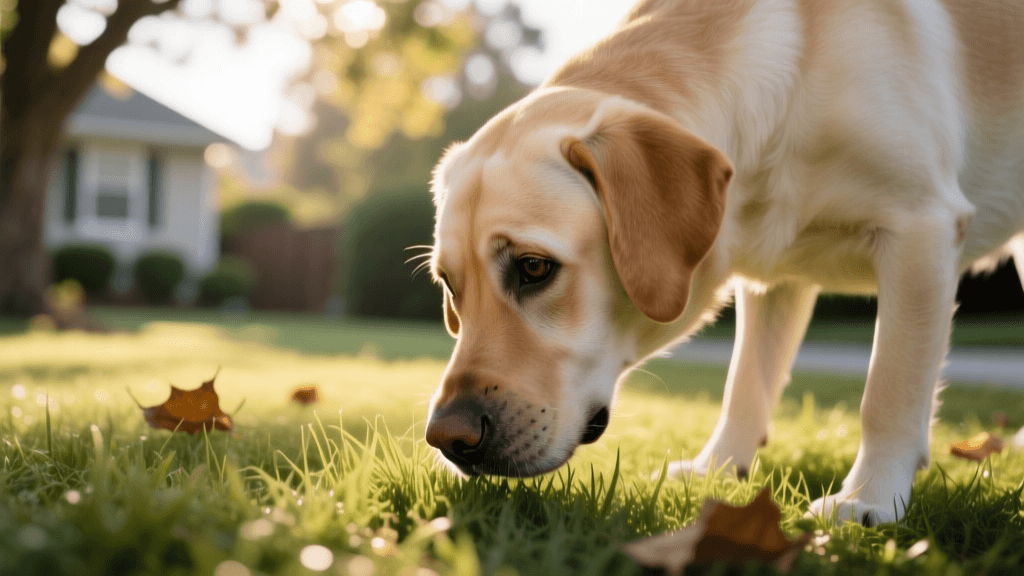
When you take your dog for a walk, it can be frustrating when they stop to sniff every single blade of grass, fire hydrant, and tree trunk. However, science tells us that this behavior is not just a quirky habit—it is a complex neurological event. To understand why mental enrichment and sniffing are so vital, we first need to look at canine anatomy.
While humans have roughly 6 million olfactory receptors in our noses, dogs possess up to 300 million, depending on the breed. Furthermore, the part of a dog's brain dedicated to analyzing odors (the olfactory bulb) is proportionally 40 times larger than ours. According to the American Kennel Club, a dog's sense of smell is 10,000 to 100,000 times more sensitive than a human's.
Additionally, dogs possess a secondary olfactory system known as the vomeronasal organ (or Jacobson's organ), located just above the roof of the mouth. This organ is specifically designed to detect pheromones, allowing dogs to gather intricate social and biological data about other animals, including their emotional state, diet, and reproductive status.
You may have noticed your dog sniffing something intensely, followed by them freezing with their mouth slightly open and lips curled back. This is known as the Flehmen response. It is a biological mechanism that traps scent particles and pushes them into the vomeronasal organ for deeper chemical analysis. This behavior is especially common when investigating the urine markings of other dogs, allowing your pet to decode complex territorial messages.
According to canine cognition researchers, a dog's olfactory bulb is proportionally 40 times larger than a human's, making scent their primary way of interpreting the world.
The Brain-Nose Connection: Why Sniffing Causes Mental Fatigue
Why does a 20-minute sniffari leave your dog more exhausted than a two-mile run? The answer lies in neurochemistry and brain energy consumption.
Processing complex scent profiles requires massive amounts of cognitive energy. When a dog sniffs deeply, they are actively engaging their brain to decode environmental information. This intense mental focus burns glucose and depletes cognitive reserves, leading to a state of healthy mental fatigue. Furthermore, the act of sniffing has been shown to lower a dog's heart rate and release dopamine—the feel-good neurotransmitter. This makes sniffing a natural self-soothing behavior that reduces cortisol (stress) levels.
A study highlighted by the Smithsonian Magazine demonstrated that dogs can even smell changes in human cortisol levels, proving just how deeply intertwined their olfactory system is with emotional and physiological states. When we deny dogs the opportunity to sniff, we are effectively blindfolding them and depriving them of their primary coping mechanism for stress.
Physical Exercise vs. Olfactory Enrichment: A Comparison
Many dog owners mistakenly believe that physical exhaustion is the only way to achieve a tired and well-behaved dog. However, relying solely on physical exercise can lead to a canine athlete with endless stamina but poor impulse control. Here is how physical exercise compares to mental enrichment:
| Activity Type | Duration | Mental Fatigue Level | Joint Impact | Avg. Equipment Cost |
|---|---|---|---|---|
| Brisk Neighborhood Walk | 45 mins | Low | Moderate | $0 |
| Fetch / Ball Throwing | 20 mins | Low (High Arousal) | High | $10 |
| Decompression Sniffari | 20 mins | High | Low | $30 (Long line) |
| Indoor Scent Work / Foraging | 15 mins | Very High | None | $15 - $35 |
Actionable Olfactory Enrichment Strategies
Integrating science-backed mental enrichment into your dog's routine is easier and more affordable than you might think. Below are specific, actionable strategies complete with product recommendations, measurements, and timing.
1. The Daily Sniffari (Decompression Walks)
A Sniffari is a walk where the dog dictates the pace and direction, with the sole purpose of exploring scents.
- Timing: 15 to 30 minutes, ideally in a natural, green space (parks, trails, or quiet fields).
- Equipment: Ditch the standard 6-foot leash. Invest in a 15-foot Biothane long line (approx. $25-$40). Biothane is waterproof, easy to clean, and will not burn your hands if the dog pulls. Pair this with a well-fitted Y-front harness ($30-$50) to allow full shoulder extension and prevent tracheal pressure.
- The Rule: Do not rush the dog. If they want to spend three minutes sniffing a single patch of clover, let them. This is their social media feed.
2. DIY and Commercial Foraging Toys
Dogs are natural scavengers. In the wild, canines spend up to 80% of their waking hours foraging for food. Feeding your dog out of a standard stainless-steel bowl in 30 seconds is a missed opportunity for enrichment.
- Snuffle Mats ($20-$35): These fabric mats mimic grass. Scatter your dog's daily kibble ration (measured to avoid overfeeding) across the mat. It forces them to use their nose to locate every piece.
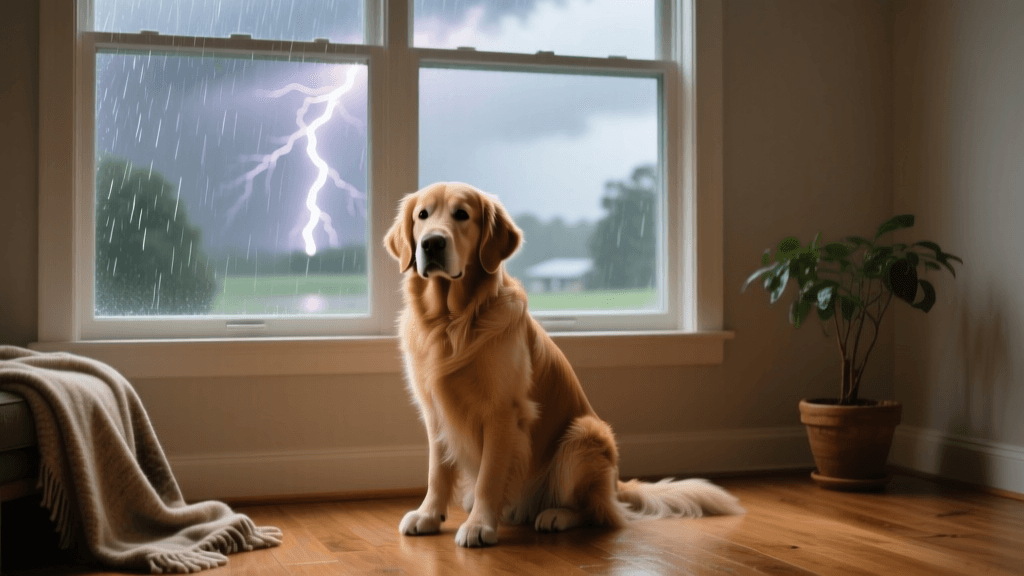
- Lick Mats ($10-$15): Products like the Hyper Pet IQ Treat Mat are excellent for anxiety reduction. Spread plain, xylitol-free Greek yogurt or canned pumpkin puree on the mat and freeze it for 2 hours. Licking releases endorphins, soothing anxious dogs during thunderstorms or when guests arrive.
- KONG Classic ($15-$25): Stuff with a mixture of wet dog food, low-sodium chicken broth, and a few high-value treats (like freeze-dried liver). Freeze overnight for a 45-minute mental challenge.
3. A 4-Week Progression Plan for Indoor Scent Work
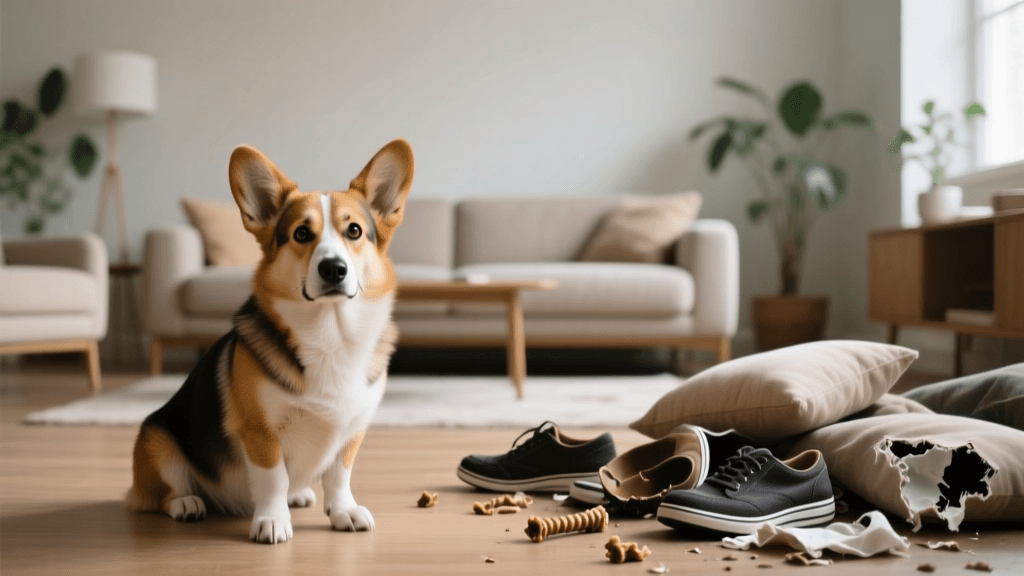
The Humane Society of the United States highly recommends scent games to prevent boredom and destructive behaviors. Follow this 4-week progression to build your dog's scenting confidence:
- Week 1: Scatter Feeding. Toss a handful of smelly treats (like dehydrated salmon) into the grass in your backyard or onto a living room rug. Say Find It! and let them search.
- Week 2: The Muffin Tin Game. Place treats in the cups of a 12-cup muffin tin, then cover each cup with a tennis ball or balled-up socks. Your dog must figure out how to remove the obstacles to get the reward.
- Week 3: Box Search. Gather 5-6 empty cardboard boxes of varying sizes. Place a high-value treat in one box while your dog is in a sit-stay in another room. Bring them in and encourage them to find the scent.
- Week 4: Room Search. Hide treats on elevated surfaces (chair seats, low shelves) and behind furniture. This teaches the dog to use their nose to search vertically, not just on the floor.
Common Mistakes to Avoid
While mental enrichment is highly beneficial, improper execution can lead to frustration. Avoid these common pitfalls:
- Making it too hard too fast: If your dog cannot find the hidden treat within 30 seconds, they may experience frustration extinction and give up. Always set them up for success by making the initial hides incredibly easy.
- Using toxic scents or foods: Never use essential oils like tea tree, eucalyptus, or citrus for DIY scent games, as these are toxic to dogs. Stick to dog-safe herbs or high-value meats.
- Ignoring caloric intake: Enrichment often involves food. You must deduct the calories used in puzzle toys and scent games from your dog's daily meal allowance to prevent obesity. Measure treats using a digital kitchen scale for precision.
Conclusion
Understanding your dog means respecting their biology. Dogs experience the world primarily through their noses, and honoring that instinct is one of the most profound ways to improve their behavioral health and overall happiness. By swapping just one traditional walk a week for a 20-minute Sniffari, and replacing the food bowl with foraging puzzles, you can dramatically reduce anxiety, curb destructive behaviors, and foster a deeper, science-backed bond with your canine companion.
jonas-cole
All our authors care for dogs every day — read more of their work on the authors page.