The Science of Canine Sleep: Optimizing Your Dog's Rest
Discover the science behind your dog's sleep cycles. Learn how to optimize their sleep environment, bed types, and routines for better health.
The Hidden Complexity of Canine Sleep
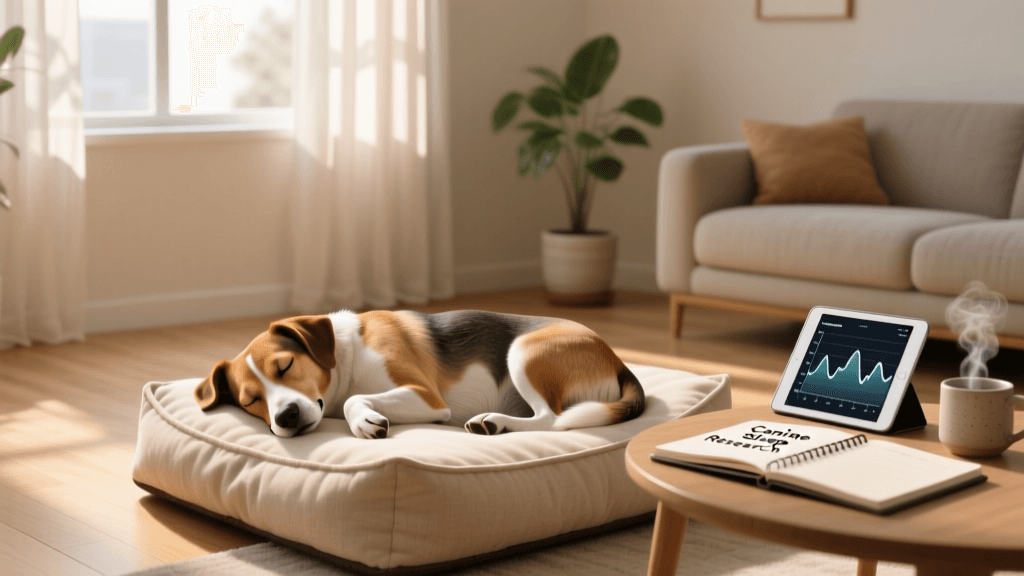
As dog owners, we often view our pets' sleeping habits with endearing amusement. From sudden leg twitches to soft snores, a sleeping dog is a picture of peace. However, beneath this tranquil surface lies a complex biological process that is critical to your dog's physical health, cognitive function, and emotional regulation. Unlike humans, who generally follow a monophasic sleep pattern (one long period of sleep per day), dogs are polyphasic sleepers. This means they accumulate their required rest through multiple sleep-wake cycles spread across a 24-hour period.
Understanding the science behind your dog's sleep architecture is not just an academic exercise; it is a fundamental aspect of responsible pet ownership. Chronic sleep deprivation or fragmented sleep in dogs can lead to weakened immune responses, increased behavioral reactivity, and accelerated cognitive decline in senior years. By applying science-backed insights to your dog's sleep environment and daily routines, you can significantly enhance their overall quality of life.
The Architecture of Polyphasic Sleep and REM Cycles
To optimize your dog's rest, we must first understand how they sleep. According to the Sleep Foundation, the average adult dog sleeps between 12 and 14 hours a day, though this can vary wildly based on age, breed, and activity level. Canine sleep cycles are much shorter than human cycles, typically lasting around 45 minutes to an hour.
During these cycles, dogs transition between Slow-Wave Sleep (SWS) and Rapid Eye Movement (REM) sleep. SWS is the restorative phase where the body repairs tissues and builds bone and muscle. REM sleep, on the other hand, is crucial for memory consolidation and emotional processing. Interestingly, while humans spend about 25% of their sleep in the REM stage, dogs only spend about 12% to 20% in REM. Because their REM periods are shorter and less frequent, dogs require a higher total volume of sleep to achieve the same cognitive and physical restoration that humans get in eight hours. This is why uninterrupted, high-quality sleep environments are non-negotiable for canine health.
Environmental Parameters: Temperature, Light, and Acoustics
A dog's sleep environment must be carefully calibrated to support their physiological needs. The three pillars of a science-backed sleep environment are thermoregulation, photoperiod management, and acoustic masking.
1. Thermoregulation and Ambient Temperature
Dogs do not sweat through their skin like humans; they primarily dissipate heat through panting and the blood vessels in their ears and paw pads. Consequently, they are highly sensitive to ambient room temperatures. The ideal sleeping temperature for most dog breeds is between 68°F and 72°F (20°C to 22°C). For brachycephalic breeds (like Pugs and French Bulldogs) or double-coated northern breeds (like Huskies), the lower end of this spectrum—or even slightly cooler, around 65°F—is preferable to prevent nocturnal hyperthermia and restlessness.
2. Photoperiod and Melatonin Production
Just like humans, dogs are governed by circadian rhythms regulated by the hormone melatonin. Melatonin production is triggered by darkness and inhibited by blue light. Leaving a television on or keeping bright LED hallway lights illuminated can suppress your dog's melatonin, leading to fragmented sleep. Invest in blackout curtains for the room where your dog sleeps, and utilize smart bulbs that can be programmed to emit warm, amber-toned light (around 2700 Kelvin) in the two hours leading up to bedtime.
3. Acoustic Masking
Dogs possess highly sensitive hearing, capable of detecting frequencies up to 45,000 Hz (compared to the human limit of 20,000 Hz). Sudden noises—a car door slamming, a neighbor walking upstairs, or distant sirens—can easily pull a dog out of deep SWS sleep. To combat this, utilize a white noise machine. Devices like the LectroFan High Fidelity White Noise Machine (retailing for approximately $35-$50) produce non-repeating, broadband sound that effectively masks sudden acoustic spikes. Place the machine about 4 to 6 feet from your dog's bed and set the volume to a safe, continuous 50 to 60 decibels.
The Biomechanics of Canine Bedding
The physical surface your dog sleeps on plays a massive role in joint health and sleep continuity. The VCA Animal Hospitals note that osteoarthritis affects up to 20% of adult dogs and over 80% of senior dogs. Sleeping on hard floors or thin, polyester-stuffed beds exacerbates joint compression and causes micro-awakenings throughout the night.
When selecting a bed, look for high-density orthopedic memory foam. A quality orthopedic bed (such as those from Big Barker or FurHaven Orthopedic, ranging from $80 to $350 depending on size) should feature a minimum of 4 inches of support foam with a density of at least 3 to 4 lbs per cubic foot. This ensures the foam will not bottom out under the weight of a large breed dog over time.
Furthermore, consider the psychological concept of thigmotaxis—the instinctual desire to be in contact with a solid object for security. Bolster beds or cave-style beds provide physical boundaries that mimic the feeling of a den, lowering cortisol levels in anxious dogs and promoting faster sleep onset.
Data Table: Daily Sleep Requirements by Age and Size
| Life Stage / Size | Average Daily Sleep | REM Sleep Characteristics | Recommended Bedding Type |
|---|---|---|---|
| Puppies (0-6 months) | 18-20 hours | High frequency, intense twitching | Soft, washable nesting beds with low entry |
| Adult Small Breeds | 12-14 hours | ~20% of total sleep time | Cave-style or bolster beds for thermal retention |
| Adult Large/Giant Breeds | 14-16 hours | ~15-20% of total sleep time | 4+ inch high-density orthopedic memory foam |
| Senior Dogs (8+ years) | 16-18 hours | Often disrupted by pain or CDS | Heated orthopedic beds with waterproof liners |
Chronobiology: Building a Science-Backed Wind-Down Routine
Creating a predictable routine signals to your dog's brain that it is time to transition from active wakefulness to rest. The American Kennel Club (AKC) emphasizes that dogs thrive on routine, which helps regulate their internal biological clocks. Implement the following timeline for optimal results:
- 3 to 4 Hours Before Bed: Serve the final meal of the day. Digestion requires significant metabolic energy and raises core body temperature, which can interfere with the natural temperature drop required for deep sleep.
- 2 Hours Before Bed: Dim the overhead lights and switch to warm, amber lamps. Begin reducing high-arousal play (like tug-of-war or fetch) and transition to low-impact activities like sniffing games or gentle grooming.
- 1 Hour Before Bed: Offer a long-lasting, calming chew. Chewing releases endorphins and stimulates the parasympathetic nervous system (the "rest and digest" state). Bully sticks or frozen Kongs stuffed with plain pumpkin are excellent choices.
- 30 Minutes Before Bed: Take the final, low-stimulation potty break. Keep the leash short, avoid interacting with other animals, and use a calm, quiet voice.
Nutritional and Supplemental Interventions
If environmental and routine adjustments are not enough, science-backed supplements can bridge the gap. Always consult your veterinarian before introducing new supplements, but research supports the efficacy of specific compounds for canine relaxation:
- L-Theanine: An amino acid found in green tea that promotes alpha-brain wave activity, associated with relaxed alertness and calmness. Dosages typically range from 100mg to 200mg depending on the dog's weight.
- Chamomile and Passionflower: Herbal adaptogens that bind to GABA receptors in the brain, mildly sedating the nervous system without the grogginess associated from pharmaceutical sedatives.
- Omega-3 Fatty Acids (EPA/DHA): While not a direct sleep aid, high-quality fish oil (providing at least 1000mg of combined EPA/DHA daily for large breeds) reduces systemic inflammation and joint pain, directly addressing the physical discomfort that often causes nocturnal waking in older dogs.
When to Consult a Veterinarian
While optimizing the environment and routine will solve most sleep issues, some disturbances are rooted in underlying medical conditions. If your dog exhibits loud, chronic snoring (a potential sign of canine sleep apnea, common in brachycephalic breeds), sudden nighttime pacing, or staring blankly into corners, these may be symptoms of Canine Cognitive Dysfunction Syndrome (CDS) or neurological issues. In these cases, veterinary intervention, potentially including prescription medications like selegiline or specialized therapeutic diets, is required.
Conclusion
Treating your dog's sleep with the same scientific rigor that you apply to their diet and exercise will yield profound dividends. By managing ambient temperatures, investing in high-density orthopedic bedding, utilizing acoustic masking, and enforcing a chronobiological wind-down routine, you are not just giving your dog a place to close their eyes. You are actively supporting their cellular repair, cognitive mapping, and emotional resilience. A well-rested dog is a healthier, happier, and more balanced companion, ready to tackle the adventures of the day with vigor and joy.
aaron-whyte
All our authors care for dogs every day — read more of their work on the authors page.