The Science of Dog Sleep: Optimizing Rest for Health
Discover the science behind your dog's sleep cycles. Learn actionable tips on temperature, bed types, and routines to optimize your pup's rest and health.
The Hidden Complexity of Canine Slumber
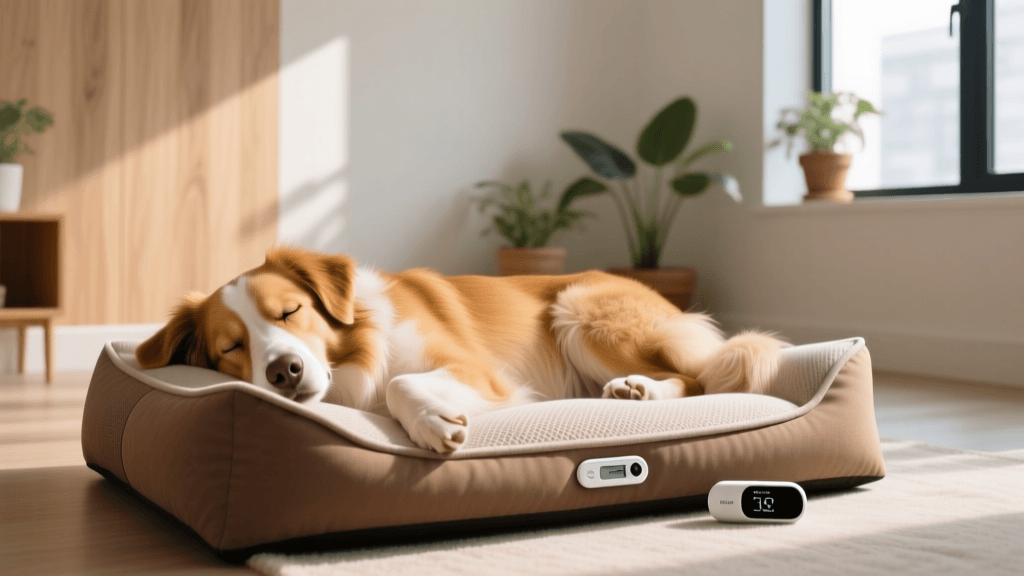
As dog owners, we often joke about our pets' ability to sleep through the day, but the science behind canine slumber reveals a complex, vital biological process. Unlike humans, who typically consolidate their rest into a single eight-hour block, dogs are polyphasic sleepers. This means they sleep in multiple shorter bursts throughout a 24-hour period. According to the Sleep Foundation, the average adult dog sleeps between 12 and 14 hours a day, while puppies and senior dogs may require up to 18 to 20 hours. However, it is not just the quantity of sleep that matters; the architectural quality of their sleep cycles plays a profound role in their cognitive function, immune system regulation, and emotional stability.
Optimizing your dog's sleep environment and daily routine is not merely a matter of comfort—it is a science-backed necessity for their long-term health. By understanding the physiological mechanisms of canine rest, we can make precise, actionable adjustments to their bedding, ambient room conditions, and evening schedules to ensure they achieve the deep, restorative sleep they need.
The Science of Canine Sleep Cycles
Polyphasic Patterns and REM Sleep
Human sleep cycles last approximately 90 minutes, allowing us to spend a significant portion of the night in Rapid Eye Movement (REM) sleep, the stage associated with memory consolidation and cellular repair. Dogs, however, have much shorter sleep cycles, typically lasting around 21 minutes. Because their cycles are brief, dogs spend only about 10% of their total sleep time in REM, compared to the 25% seen in humans. To compensate for this biological limitation, dogs must sleep more frequently and for longer total durations to achieve adequate neurological restoration.
Research highlighted by the American Kennel Club confirms that dogs do indeed dream during REM sleep, processing the day's events, training sessions, and social interactions. Interrupting these cycles through a noisy environment or improper lighting can lead to chronic sleep deprivation, which manifests in dogs as hyperactivity, weakened immunity, and increased cortisol (stress hormone) levels.
The Impact of Sleep Deprivation on Canine Behavior
A study published in Scientific American by canine psychology expert Dr. Stanley Coren notes that sleep-deprived dogs exhibit diminished problem-solving skills and poorer impulse control. If your dog is struggling with basic obedience or seems unusually reactive to stimuli, their sleep environment may be the hidden culprit. Ensuring uninterrupted, high-quality rest is just as critical as their daily physical exercise.
Environmental Factors: Temperature and Light
Dogs do not regulate body temperature as efficiently as humans. They lack widespread sweat glands and rely primarily on panting and vasodilation (expanding blood vessels in their ears and face) to cool down. Therefore, the ambient temperature of their sleeping area is a critical variable in their ability to reach deep sleep stages.
Thermoregulation and Ideal Temperatures
The optimal sleeping temperature for most dogs ranges between 68°F and 72°F (20°C to 22°C). However, this varies significantly based on coat type, body fat percentage, and breed size. When a room is too warm, a dog's core temperature remains elevated, preventing the natural drop in body temperature required to initiate deep NREM (Non-Rapid Eye Movement) sleep.
| Breed Size & Type | Ideal Ambient Temp | Recommended Bed Type | Estimated Cost |
|---|---|---|---|
| Small / Hairless (<20 lbs) | 72°F - 76°F | Enclosed Bolster / Heated Cave Bed | $45 - $130 |
| Medium / Short Coat (21-50 lbs) | 68°F - 72°F | Flat Orthopedic Foam Mat | $60 - $150 |
| Large / Double Coat (51-90 lbs) | 65°F - 70°F | Cooling Gel Memory Foam | $90 - $250 |
| Giant Breeds (>90 lbs) | 63°F - 68°F | Elevated Cot or High-Density Foam | $120 - $300 |
Light Exposure and Melatonin Production
Just like humans, dogs possess a circadian rhythm governed by light exposure. Blue light from televisions, smartphones, and LED bulbs suppresses the production of melatonin, the hormone responsible for signaling to the brain that it is time to sleep. To optimize your dog's sleep environment, block out streetlights using blackout curtains and avoid exposing them to bright screens in the two hours leading up to bedtime.
Choosing the Right Bed: A Science-Backed Guide
Not all dog beds are created equal. The market is flooded with plush, polyester-filled beds that compress within weeks, offering zero orthopedic support. For aging dogs or large breeds prone to hip dysplasia and osteoarthritis, the density of the foam is a critical health metric.
- Indentation Load Deflection (ILD): When shopping for an orthopedic bed, look for the ILD rating. An ILD of 10-15 is too soft and will cause heavy dogs to 'bottom out' against the hard floor. Aim for a high-density memory foam with an ILD of 30 to 40 for large and giant breeds.
- Dimensions: A bed should be at least 6 inches longer and wider than your dog's measurements from nose to the base of the tail, and from the top of the head to the floor. This allows for full lateral stretching, which is essential for spinal decompression during sleep.
- Hygiene and Allergens: Dust mites and dander accumulate rapidly in bedding. Choose beds with removable, machine-washable covers made of tightly woven microfiber, which naturally resists allergen penetration. Wash the cover weekly in water heated to at least 130°F (54°C) to eliminate dust mites.
Crate Science: Sizing and Placement
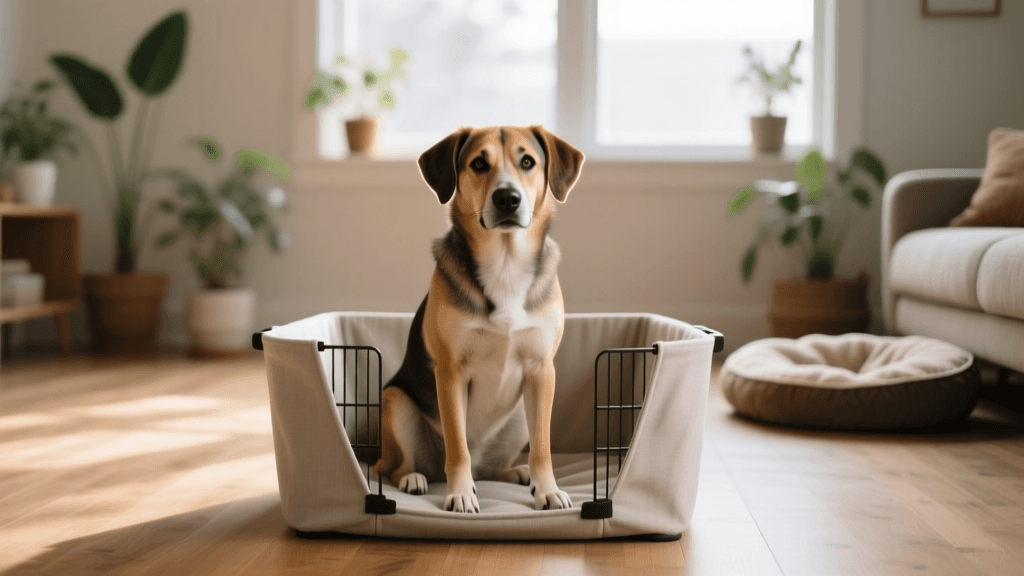
For dogs that are crate-trained, the crate serves as a den, triggering an innate psychological sense of security. However, improper sizing can cause physical discomfort and anxiety. The scientifically recommended formula for crate sizing is: Length of dog (nose to base of tail) + 4 inches for length; Height of dog (top of head or ears, whichever is higher) + 4 inches for height. If the crate is too large, dogs may designate one corner for elimination and another for sleeping, breaking their natural denning instincts. Place the crate in a low-traffic area of the home, away from HVAC vents to prevent drafts and sudden temperature fluctuations.
Actionable Evening Routines for Better Rest
Implementing a structured, science-backed evening routine can dramatically improve your dog's sleep latency (the time it takes to fall asleep) and overall sleep quality. Here is a precise, timed schedule you can adapt to your household:
- 6:30 PM - The Final Heavy Meal: Feeding your dog their last substantial meal at least three to four hours before bedtime allows for proper gastric emptying. This prevents midnight potty breaks and reduces the risk of acid reflux, which can cause micro-arousals during sleep.
- 8:00 PM - Light Management: Dim the overhead lights in your home. Switch to red-spectrum LED bulbs or low-wattage amber lamps in the rooms where your dog spends the evening. Red light does not inhibit melatonin production in canines.
- 9:30 PM - The Decompression Walk: Take your dog on a 15-minute 'sniffari' walk. Unlike brisk exercise, which raises cortisol and core body temperature, a slow walk focused on olfactory enrichment lowers the heart rate and provides mental fatigue, preparing the brain for rest.
- 10:15 PM - The Final Potty Break: Take your dog outside on a leash. Use a dim, red-light flashlight to navigate the yard. Bright white flashlights can halt melatonin production instantly.
- 10:30 PM - Settling In: Guide your dog to their bed or crate. Provide a long-lasting, low-calorie chew (like a coffee wood stick) if they suffer from mild separation anxiety. The act of chewing releases endorphins, promoting a state of calm.
Consistency is the bedrock of canine circadian health. By standardizing the timing of light exposure, feeding, and physical decompression, you entrain your dog's internal clock, resulting in deeper, more restorative sleep cycles.
Conclusion
Understanding the science of dog sleep transforms how we approach our pets' daily routines. By moving beyond generic plush beds and chaotic evening schedules, and instead focusing on thermoregulation, high-density orthopedic support, and circadian-friendly lighting, we can profoundly impact our dogs' longevity and quality of life. Implement these science-backed insights today, and watch as your dog wakes up more alert, emotionally balanced, and ready to tackle the day.
priya-sutaria
All our authors care for dogs every day — read more of their work on the authors page.