Living With A Retired Greyhound: Home Setup And Daily Routines
Discover the reality of living with a retired racing Greyhound. Learn about home setup, daily routines, coat care, and managing their unique quirks.
The 45-MPH Couch Potato: Understanding the Retired Greyhound
When most people picture a Greyhound, they imagine a high-strung, hyperactive athlete that requires miles of running every single day. However, those who share their homes with retired racing Greyhounds know the hilarious truth: these dogs are essentially 45-mph couch potatoes. Transitioning a retired racer from the track to a living room is one of the most rewarding experiences in dog ownership, but it comes with a unique set of challenges. From their lack of body fat to their sighthound instincts, living with a Greyhound requires specific home modifications and a tailored daily routine.
According to the American Kennel Club (AKC), Greyhounds are gentle, independent, and surprisingly low-energy in the home. If you are considering adopting a retired racer, or have just brought one home, this deep dive will help you set up your environment and establish a routine that caters to their unique physiological and psychological needs.
Setting Up Your Home for a Sighthound
Greyhounds are built for aerodynamics and speed, not for lounging on hardwood floors or navigating steep stairs. Their unique physiology means your home needs a few specific adjustments before they arrive.
The Bedding Situation: Why Cushioning is Critical
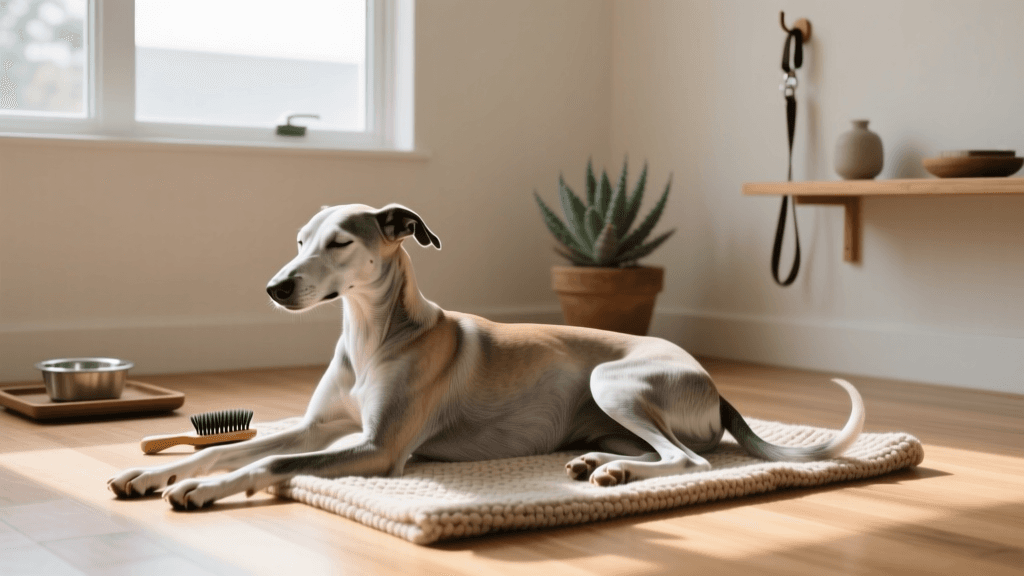
Unlike most dog breeds, Greyhounds have virtually no subcutaneous body fat and very little muscle mass when they are at rest. This means that lying on a hard surface is not just uncomfortable for them; it can quickly lead to painful pressure sores on their elbows, hocks, and hips. You must provide thick, orthopedic bedding in every room where the dog spends time.
- Primary Bed: Invest in a high-quality orthopedic dog bed, such as a Big Barker or a thick memory foam mattress designed for large breeds. The bed should be at least 4 to 6 inches thick to prevent their joints from pressing through to the floor.
- Secondary Spots: Keep folded duvets, thick fleece blankets, or cheap foam mattress toppers in the living room and kitchen so your Greyhound always has a soft place to roost.
Flooring and Stairs: Navigating the Terrain
Greyhounds wear their nails short to the quick for track racing, and their paw pads are not accustomed to slick surfaces. Laminate, tile, and polished hardwood floors are essentially ice rinks to a retired Greyhound. A slip can result in a torn ACL or a panicked dog. Lay down non-slip area rugs and yoga mats in high-traffic pathways. Furthermore, many Greyhounds have never seen stairs before entering a home. You will need to teach them how to navigate steps using a sturdy harness, high-value treats, and immense patience. If your home has steep outdoor stairs, consider installing a ramp with a gentle 18-to-1 slope.
Secure Containment: The Fence Rule
Because Greyhounds are sighthounds, they hunt with their eyes. If they see a squirrel, a rabbit, or a blowing plastic bag, their prey drive will override any obedience training. You must never rely on an underground invisible fence; the shock will not stop a dog moving at 40 miles per hour. A physical fence is mandatory. The Greyhound Pets of America (GPA) strongly recommends a minimum fence height of four feet, though five to six feet is ideal to prevent athletic climbers from vaulting over. Always double-check gate latches, as Greyhounds are notorious for learning how to nudge open simple hook-and-eye closures.
The Mandatory Martingale Collar
A standard flat collar is dangerous for a Greyhound. Their necks are often wider than their heads, meaning they can easily slip out of a regular collar and bolt into traffic. A martingale collar (also known as a limited-slip collar) is mandatory for walks. When the dog pulls, the martingale tightens just enough to prevent escape without choking the dog. Pair this with a well-fitted, padded Y-harness for secure leash walking.
Daily Routines and Exercise Needs
Despite their racing background, Greyhounds do not need hours of vigorous exercise. They are sprinters, not marathon runners. A standard daily routine for a retired Greyhound looks vastly different from that of a Border Collie or a Labrador Retriever.
| Activity | Retired Greyhound | Typical Active Breed (e.g., Border Collie) |
|---|---|---|
| Daily Walking | 20–30 minutes, leisurely pace | 60–90+ minutes, brisk pace |
| Off-Leash Running | 10–15 minutes in a fully fenced area | Hours of hiking, fetch, or agility |
| Sleeping/Lounging | 16–18 hours per day | 8–10 hours per day |
| Mental Stimulation | Sniffaris, gentle puzzle toys | Advanced obedience, herding, complex puzzles |
The Zoomies and Safe Off-Leash Areas
While they sleep most of the day, Greyhounds still need to stretch their legs. A 20-minute leash walk in the morning and evening is usually sufficient for their bathroom and sniffing needs. However, they also need the opportunity to experience the zoomies—short, explosive bursts of joyous running. This must only be done in a securely fenced dog park or a private yard. Many Greyhound adoption groups rent out private, fenced fields specifically for sighthound playdates, allowing them to run safely without the risk of small dogs getting knocked over.
Managing the Greyhound Quirks
Living with a Greyhound means embracing a host of bizarre and endearing behaviors that are specific to the breed.
Roaching
If you walk into your living room and find your dog lying flat on its back, legs splayed in the air, belly fully exposed, do not panic. This is called roaching, and it is the ultimate sign of a comfortable, happy Greyhound. Because they lack body fat, sleeping on their spines is surprisingly comfortable for them, and it helps them cool down by exposing their bellies to the air.
Teeth Chattering
In most dog breeds, chattering teeth indicate fear, cold, or aggression. In Greyhounds, teeth chattering is often a sign of pure excitement or anticipation. You will frequently hear a loud, rapid clicking sound when you are preparing their dinner or getting ready for a walk. It is entirely normal and harmless.
Prey Drive and Multi-Pet Households
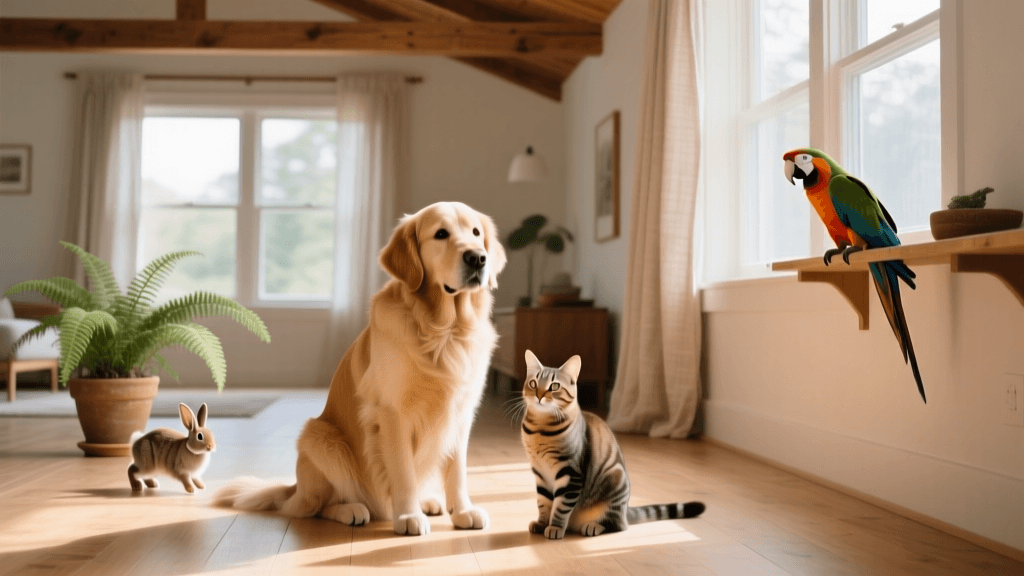
Because they were bred to chase moving objects, introducing a Greyhound to a household with cats, rabbits, or small dogs requires extreme caution. While many retired racers can be successfully cat-tested and trained to live peacefully with felines, their instinct to chase a running animal is deeply ingrained. Always supervise interactions, and never leave a Greyhound alone with a small pet until you are absolutely certain of their prey drive threshold.
Winter Care and Apparel
Greyhounds have single coats with no insulating undercoat, and their lack of body fat makes them highly susceptible to the cold. When the temperature drops below 50°F (10°C), your Greyhound will need outerwear.
- Fleece Coats: A well-fitted fleece or wool dog coat is essential for winter walks. Brands like Hurtta or Ruffwear offer excellent coverage for their deep chests and long backs.
- Snoods: A snood (a tubular fleece neck warmer) protects their long, delicate ears from frostbite and keeps them out of their food bowls during meals.
- Pajamas: Many Greyhound owners dress their dogs in fleece pajamas inside the house during the winter to keep them warm and prevent them from hogging the human blankets.
Health and Veterinary Considerations
Greyhounds are generally a robust and healthy breed, but their unique physiology requires a veterinarian who is familiar with sighthounds.
Anesthesia Sensitivity
Greyhounds metabolize certain anesthetic drugs differently than other breeds due to their low body fat and unique liver enzyme profiles. Older barbiturate-based anesthetics can be fatal or cause severe complications. Ensure your vet uses modern, sighthound-safe protocols, such as Propofol or Isoflurane, for any surgical procedures, including routine dental cleanings.
Greyhound-Specific Bloodwork
Standard veterinary reference ranges do not always apply to Greyhounds. According to the Greyhound Club of America (GCA), healthy Greyhounds naturally have higher red blood cell counts (hematocrit) and higher creatinine levels than other breeds. A creatinine level that would indicate kidney failure in a Labrador might be perfectly normal for a Greyhound. Conversely, their thyroid levels (T4) often run naturally lower. Always provide your vet with a Greyhound-specific bloodwork reference chart to prevent misdiagnoses and unnecessary treatments.
Conclusion
Sharing your life with a retired Greyhound is a masterclass in patience, adaptation, and quiet companionship. They may require specialized bedding, winter wardrobes, and secure fencing, but the reward is a profoundly gentle, affectionate, and deeply loyal companion. By understanding their unique physiology and respecting their sighthound instincts, you can provide a safe, comfortable, and joyful retirement for a dog that has spent their early years running for the finish line.
anouk-beaumont
All our authors care for dogs every day — read more of their work on the authors page.