Daily Omega-3 Routine for Dogs 2026: Sardines vs Liquid Oils
Discover the best daily Omega-3 routine for dogs in 2026. We compare whole sardines and liquid fish oils for optimal EPA and DHA absorption.
The 2026 Canine Omega-3 Landscape
As we navigate the evolving landscape of canine nutrition in 2026, veterinary consensus has firmly cemented Omega-3 fatty acids as a non-negotiable pillar of daily health for dogs. Unlike humans, who can synthesize certain essential fatty acids with relative ease, canines rely heavily on dietary intake to maintain cellular membrane fluidity, mitigate systemic inflammation, and support cognitive function. The focus this year has shifted dramatically from simply 'adding fish oil' to prioritizing bioavailability, oxidation prevention, and the precise ratio of Eicosapentaenoic Acid (EPA) to Docosahexaenoic Acid (DHA).
For dog owners managing active working breeds, aging seniors with osteoarthritis, or dogs suffering from atopic dermatitis, establishing a structured daily Omega-3 routine is critical. However, the debate between utilizing whole food sources—specifically canned sardines—versus premium liquid supplements like Nordic Naturals Omega-3 Pet or Grizzly Salmon Plus remains a hot topic in the pet care community. Understanding the biochemical differences, storage requirements, and caloric impacts of each method is essential for optimizing your dog's health in 2026.
The Biological Necessity: EPA, DHA, and the ALA Myth
Before diving into daily routines, it is vital to address a persistent nutritional misconception. Many commercial dog foods and budget supplements boast 'Omega-3' content derived from flaxseed or chia seeds. These plant-based sources contain Alpha-Linolenic Acid (ALA). According to the Tufts Cummings School of Veterinary Medicine Clinical Nutrition Service, dogs possess very low levels of the delta-6-desaturase enzyme required to convert ALA into the biologically active forms of Omega-3: EPA and DHA.
Therefore, a daily routine relying on plant-based Omega-3 is fundamentally inefficient for canine health. To achieve therapeutic or even adequate maintenance levels of anti-inflammatory benefits, your dog's daily routine must incorporate marine-derived EPA and DHA. This narrows our practical daily options down to two primary categories: whole marine life (sardines) and extracted marine oils.
Whole Food vs. Supplementation: A Detailed Comparison
Integrating whole foods into a dog's diet aligns with the 2026 trend toward holistic, minimally processed nutrition. Canned sardines (packed in water with no added salt) offer a 'whole food matrix' that includes not just EPA and DHA, but also naturally occurring Coenzyme Q10, selenium, calcium, and high-quality bioavailable proteins. However, they also introduce additional calories and potential heavy metal risks if not sourced from sustainable, low-trophic fisheries.
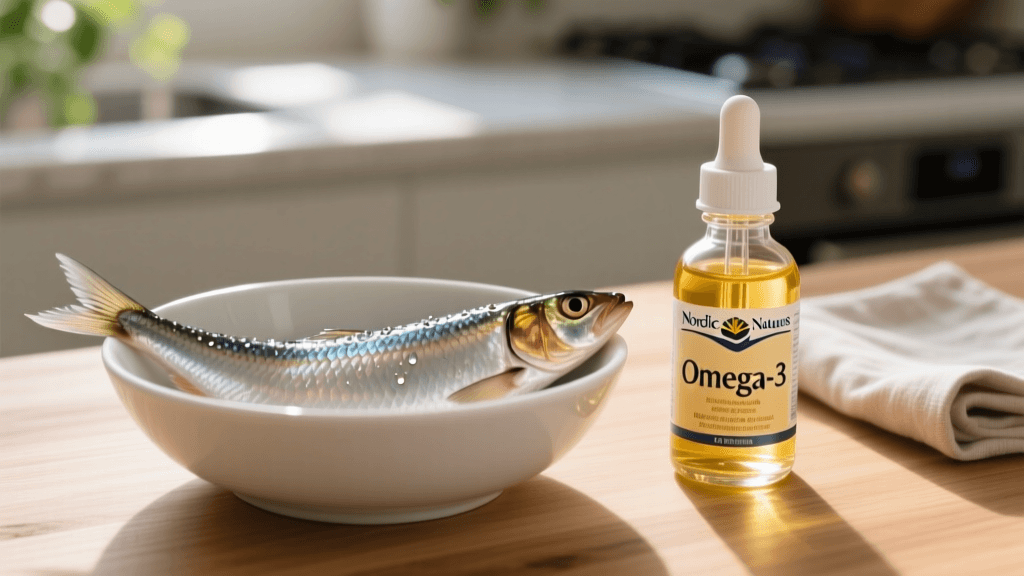
Conversely, high-quality liquid fish oils provide concentrated, measurable doses of EPA and DHA without the caloric burden of whole fish. Premium brands have recently adopted nitrogen-flushed bottling and UV-protective glass to combat the greatest enemy of fish oil: lipid oxidation. Rancid fish oil is not merely ineffective; it actively promotes the very inflammation it is meant to cure. Below is a comprehensive breakdown of how these two sources compare for daily use.
2026 Omega-3 Source Comparison Chart
| Feature | Whole Canned Sardines (in Water) | Premium Liquid Fish Oil (e.g., Nordic Naturals) | Standard Softgel Capsules |
|---|---|---|---|
| EPA/DHA Concentration | Moderate (varies by catch season) | High (Standardized and lab-tested) | High (Pre-measured) |
| Oxidation Risk | Low (Sealed canning process) | Moderate (High once opened if un-pumped) | Low (Individually sealed) |
| Caloric Impact | High (Requires meal adjustment) | Low (Pure fat, minimal volume) | Low (Pure fat) |
| 2026 Avg Monthly Cost | $25 - $40 | $35 - $55 | $40 - $60 |
| Convenience Factor | Messy, strong odor, requires refrigeration | Easy pump, store in fridge | Easy to hide in treats, no fridge needed |
Calculating the Right Dosage for Your Dog
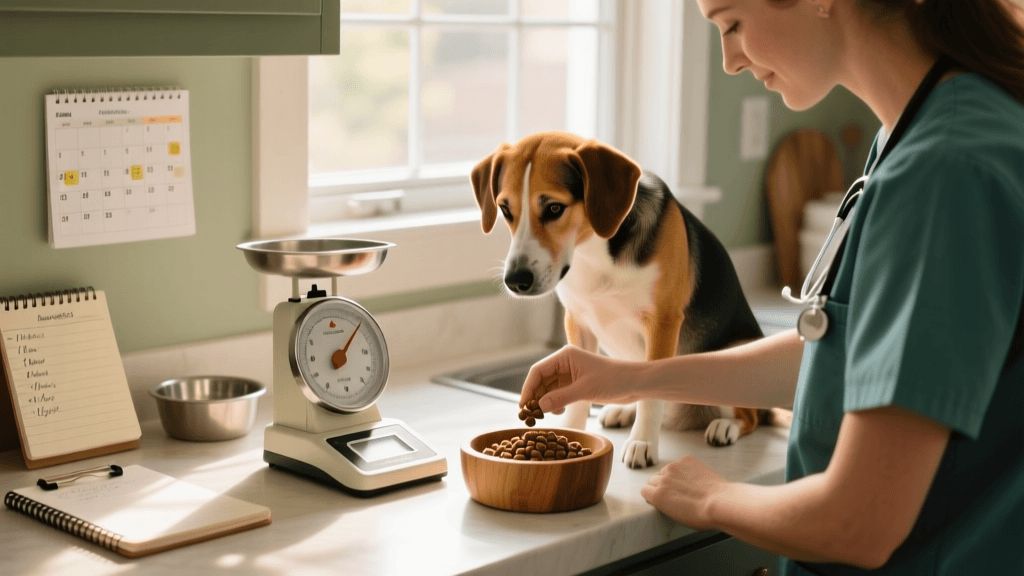
Establishing your daily routine begins with accurate dosing. The WSAVA Global Nutrition Guidelines emphasize that Omega-3 dosing should be calculated based on metabolic body weight rather than total linear body weight. For general health maintenance in 2026, veterinary nutritionists typically recommend a combined EPA/DHA dose of roughly 50 to 75 mg per kilogram of body weight. For therapeutic interventions—such as managing severe osteoarthritis or chronic kidney disease—doses can safely be elevated under veterinary supervision.
Let us look at a practical example for a 50-pound (22.7 kg) dog:
- Maintenance Dose: ~1,100 mg to 1,700 mg of combined EPA/DHA daily.
- Whole Sardine Equivalent: Roughly one standard 4.4 oz tin of sardines provides between 1,500 mg and 2,000 mg of combined EPA/DHA, making it an excellent every-other-day or half-tin daily option.
- Liquid Oil Equivalent: Two pumps of a high-quality pet-specific liquid oil (typically yielding 850 mg per pump) will perfectly satisfy the daily requirement without adding excessive dietary bulk.
Building the Daily Routine: Timing and Absorption
Fatty acids require the presence of dietary fats and bile salts for optimal absorption in the canine gastrointestinal tract. Therefore, your 2026 Omega-3 routine should never involve administering supplements on an empty stomach. The ideal protocol is to integrate the Omega-3 source into your dog's largest, most fat-rich meal of the day.
Morning Routine (For Raw/Home-Cooked Diets): If you feed a fresh diet, mash half a sardine directly into the morning muscle meat and organ mix. The natural fats in the raw meat will emulsify with the sardine oils, ensuring maximum cellular uptake. Ensure you reduce the base meat portion slightly to account for the sardine's caloric density.
Evening Routine (For Kibble Diets): If you feed commercial extruded kibble, the evening meal is often the largest. Add the precise pump of liquid fish oil over the kibble immediately before serving. Toss the food gently to coat the kibble pieces. This not only masks the taste of the oil for picky eaters but also prevents the oil from pooling at the bottom of the bowl where it might be left behind.
The Critical Importance of Storage and Freshness
The most common failure in a daily Omega-3 routine is improper storage, leading to lipid peroxidation. In 2026, the gold standard for liquid fish oil packaging involves airless pump mechanisms and nitrogen-flushed bottles. Oxygen is the catalyst for rancidity. If you are using a liquid oil, you must adhere to the following storage rules:
- Refrigerate Immediately: Once the seal is broken, the bottle must live in the refrigerator. The cold temperature drastically slows the oxidation process.
- The 90-Day Rule: Even when refrigerated, discard any open liquid fish oil after 90 days. If you have a small dog and cannot finish a large bottle within this window, switch to softgel capsules or smaller sardine cans.
- The Sniff Test: Fresh fish oil should smell mildly of the ocean or have a neutral, faintly nutty aroma. If it smells sharply acidic, overly 'fishy', or like rotting seafood, it has oxidized. Throw it away immediately, as feeding rancid oil can cause gastrointestinal distress and cellular damage.
Safety, Monitoring, and FDA Guidelines
While Omega-3s are overwhelmingly beneficial, introducing them into your dog's daily routine requires observation. The FDA's guidance on animal dietary supplements reminds owners that supplements are not strictly regulated like pharmaceuticals, making brand transparency and third-party testing (such as IFOS or NASC certifications) vital in 2026.
When initiating your new routine, start with a quarter of the target dose and gradually increase it over two weeks. This allows your dog's gallbladder and pancreas to adapt to the increased lipid load. Monitor your dog's stool quality; loose stools or mild diarrhea indicate that the dose was increased too rapidly or that the specific oil source is not agreeing with their microbiome. Additionally, dogs with known bleeding disorders or those scheduled for surgery should have their Omega-3 routines paused, as high doses of EPA and DHA possess mild anti-coagulant properties.
Conclusion: Consistency is Key
Whether you choose the whole-food nutritional matrix of canned sardines or the precise, low-calorie dosing of a premium liquid fish oil, the success of your dog's Omega-3 routine in 2026 hinges on consistency and quality control. By calculating the correct metabolic dose, pairing the supplement with dietary fats, and rigorously protecting the product from oxidation, you will provide your canine companion with the foundational building blocks for a vibrant, mobile, and healthy life.
marcus-aldridge
All our authors care for dogs every day — read more of their work on the authors page.