Best Omega 3 Dog Supplements in 2026: Dosage & Top Picks
Discover the best Omega 3 supplements for dogs in 2026. Learn EPA vs DHA dosage guidelines, compare salmon and krill oil, and boost your dog's joint health.
The Evolution of Canine Omega-3 Supplementation in 2026
As we navigate the canine wellness landscape in 2026, Omega-3 fatty acids have solidified their position as a non-negotiable pillar of preventive veterinary care. No longer viewed as just an optional add-on for show dogs, Omega-3s are now widely prescribed by veterinary dermatologists, orthopedic specialists, and general practitioners to manage everything from canine atopic dermatitis to osteoarthritis and cognitive decline. However, with the market flooded with new formulations, sustainable alternatives, and varying concentration levels, choosing the right supplement requires a deeper understanding of canine biology and current industry standards.
According to the American Kennel Club, Omega-3 fatty acids play a critical role in reducing systemic inflammation, supporting heart health, and maintaining a lustrous coat. Yet, not all Omega-3s are created equal, and the source of the oil dramatically impacts its bioavailability and efficacy in your dog's body. In this comprehensive guide, we break down the science of EPA and DHA, compare the top marine sources available this year, and provide actionable dosage guidelines to ensure your dog receives the maximum therapeutic benefit.
The Science of Omega-3s: EPA, DHA, and the ALA Myth
To make an informed decision, it is essential to understand the three primary types of Omega-3 fatty acids: ALA (alpha-linolenic acid), EPA (eicosapentaenoic acid), and DHA (docosahexaenoic acid). Many budget-friendly pet supplements and commercial kibbles boast 'Omega-3' content derived from plant sources like flaxseed, chia seeds, or hemp. These contain ALA. While ALA is beneficial for humans, dogs lack the necessary liver enzymes to efficiently convert ALA into the active, anti-inflammatory forms of EPA and DHA. Studies show that the conversion rate of ALA to EPA in canines is less than 10%, and to DHA, it is nearly zero.
Therefore, veterinary nutritionists universally recommend marine-based or algal-based Omega-3 sources for dogs. EPA is primarily responsible for combating cellular inflammation, making it the superstar for joint health, allergy management, and kidney support. DHA, on the other hand, is a structural component of the brain and retina. It is vital for puppy neurological development and for slowing cognitive dysfunction syndrome (CDS) in senior dogs. A high-quality supplement must provide both in a highly bioavailable format.
Salmon, Krill, or Algal Oil: Which is Best for Your Dog?
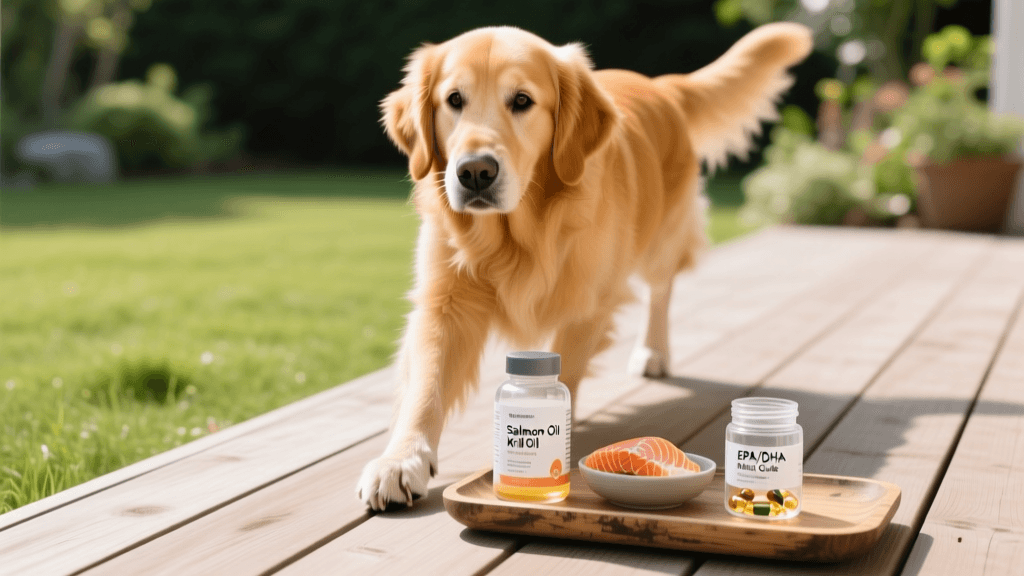
The 2026 supplement market has seen a massive shift toward sustainability and advanced extraction methods. While wild-caught salmon oil remains a staple, Antarctic krill and lab-cultivated marine algae have emerged as powerful, eco-friendly alternatives. Below is a comparative analysis of the top three bioavailable Omega-3 sources for dogs.
| Source | EPA/DHA Profile | Bioavailability | 2026 Sustainability | Best Used For |
|---|---|---|---|---|
| Wild Alaskan Salmon Oil | High EPA, Moderate DHA | High (Triglyceride form) | Moderate (Fishery dependent) | Adult dogs with skin allergies and joint stiffness. |
| Antarctic Krill Oil | Balanced EPA/DHA | Very High (Phospholipid form) | High (Strict MSC quotas) | Senior dogs needing cognitive and cellular support. |
| Marine Algal Oil | High DHA, Moderate EPA | High (Triglyceride form) | Excellent (Vegan, Lab-grown) | Puppies, pregnant dogs, and eco-conscious owners. |
| Flaxseed / Chia (ALA) | ALA Only | Extremely Low (<10%) | High (Plant-based) | Not recommended for therapeutic canine use. |
Krill Oil is gaining significant traction in 2026 because its Omega-3s are bound to phospholipids rather than triglycerides. This unique molecular structure allows the fatty acids to bypass the liver's initial processing and be absorbed directly into the cellular membranes, making it exceptionally effective for senior dogs with compromised digestion. Furthermore, krill oil naturally contains astaxanthin, a potent antioxidant that prevents the oil from oxidizing (going rancid) inside the bottle.
Algal Oil is the breakthrough star of the decade. Because fish actually obtain their Omega-3s by consuming algae, algal oil cuts out the middleman. It provides a highly concentrated, heavy-metal-free, and entirely sustainable source of DHA, making it the premier choice for puppy brain development and owners concerned about oceanic overfishing.
Calculating the Right Omega-3 Dosage in 2026
One of the most common mistakes pet owners make is under-dosing or blindly following the generic 'pump' instructions on the back of a bottle. The WSAVA Global Nutrition Guidelines emphasize that therapeutic dosages must be calculated based on a dog's metabolic body weight and specific health conditions. General health maintenance requires a much lower dose than managing active osteoarthritis or severe atopic dermatitis.
For general wellness, coat health, and mild anti-inflammatory support, the baseline recommendation is approximately 30 to 50 mg of combined EPA and DHA per kilogram of body weight. For therapeutic intervention (e.g., severe joint pain, renal disease, or cancer support), veterinary specialists may increase this to 100 to 130 mg per kilogram. Always read the label to find the exact EPA and DHA concentration per pump or capsule, as the total 'fish oil' volume is not the same as the active Omega-3 content.
Quick Reference Dosage Chart (General Maintenance)
- 10 lb (4.5 kg) Dog: 135 - 225 mg combined EPA/DHA daily
- 30 lb (13.6 kg) Dog: 400 - 680 mg combined EPA/DHA daily
- 50 lb (22.7 kg) Dog: 680 - 1,135 mg combined EPA/DHA daily
- 80 lb (36.3 kg) Dog: 1,080 - 1,815 mg combined EPA/DHA daily
Note: Always consult your primary veterinarian before initiating therapeutic high-dose regimens, especially if your dog is on prescription medications.
How to Safely Introduce Omega-3s to Your Dog's Diet
Fish and algal oils are calorie-dense fats. Introducing a full dose on day one can overwhelm your dog's gastrointestinal tract, leading to steatorrhea (fatty stools), diarrhea, or vomiting. To avoid this, implement a gradual titration schedule. Start with one-quarter of the target dose for the first three days, increase to half the dose for the next three days, and gradually reach the full dose by day ten. Additionally, because Omega-3s add caloric density to the diet, you must slightly reduce your dog's daily kibble or meal portion to prevent unwanted weight gain over time.
The 2026 Buying Guide: What to Look for on the Label
The supplement industry remains loosely regulated, meaning product quality can vary wildly. When shopping for an Omega-3 supplement this year, veterinary nutritionists at the Tufts Cummings School of Veterinary Medicine and other leading institutions advise looking for the following quality indicators:
- Third-Party Testing: Look for the IFOS (International Fish Oil Standards) 5-star rating on the bottle. This guarantees the product has been independently tested for heavy metals, PCBs, and dioxins.
- Packaging: Omega-3s are highly susceptible to oxidation when exposed to light, heat, and oxygen. Only purchase oils housed in dark, opaque, UV-protected glass or BPA-free pump bottles. Clear plastic bottles are a major red flag.
- Added Antioxidants: High-quality formulations will include Vitamin E (mixed tocopherols) or astaxanthin to preserve the oil and prevent it from turning rancid. Rancid fish oil is not only ineffective but actively promotes oxidative stress and inflammation in your dog's body.
- Triglyceride vs. Ethyl Ester Form: Ensure the oil is in the natural triglyceride (TG) form or phospholipid form (krill). Some cheaper brands use ethyl esters (EE), which are synthetic and poorly absorbed by the canine digestive system.
Potential Side Effects and Contraindications
While Omega-3s are overwhelmingly safe, 'more' is not always better. Excessive doses can lead to altered platelet function, increasing the risk of prolonged bleeding times. If your dog is scheduled for any surgical procedure, including routine dental extractions, you must discontinue Omega-3 supplementation at least one to two weeks prior. Furthermore, dogs with a history of fat-sensitive pancreatitis require strict veterinary supervision before adding any lipid-based supplement to their diet. In rare cases, massive overdoses can cause lethargy, a fishy body odor, and impaired wound healing due to the suppression of the normal acute inflammatory response required for tissue repair.
Final Thoughts on Canine Longevity
Incorporating a high-quality, sustainably sourced Omega-3 supplement is one of the most evidence-based investments you can make in your dog's long-term health. Whether you opt for the phospholipid-rich benefits of Antarctic krill oil for your aging Labrador, or the sustainable, DHA-heavy profile of algal oil for your developing puppy, the key lies in consistency, proper dosing, and rigorous quality control. By prioritizing bioavailable marine sources and adhering to metabolic weight calculations, you can effectively harness the power of Omega-3s to keep your dog mobile, sharp, and comfortable well into their senior years.
hannah-wickes
All our authors care for dogs every day — read more of their work on the authors page.