Safe Feeding Strategies for Multi-Dog Households
Learn safe feeding strategies for multi-dog households. Discover tips to prevent resource guarding, manage mealtime chaos, and keep all pets happy.

The Beautiful Chaos of Multi-Dog Living
Sharing your home with multiple dogs is a deeply rewarding experience, but it also introduces unique logistical challenges. Among the most stressful daily events in a multi-pet home is mealtime. When multiple dogs are fed in the same space without a structured plan, the kitchen can quickly transform from a place of nourishment into a high-stakes battleground. Food is a primary resource, and the instinct to protect it is deeply ingrained in canine behavior. Whether you are managing a pair of sibling puppies, a multi-generational pack, or a mix of dogs with varying dietary needs, establishing a safe, predictable feeding routine is non-negotiable for pack harmony.
Recognizing and Preventing Resource Guarding
Resource guarding occurs when a dog exhibits aggressive or defensive behaviors to maintain control over a valued item, such as food, treats, or a favorite toy. In a multi-dog household, the mere presence of another dog approaching a food bowl can trigger anxiety and defensive posturing. According to veterinary behaviorists, early signs of food aggression are often subtle and easily missed by owners. These micro-signals include stiffening of the body, 'whale eye' (showing the whites of the eyes), lip licking, yawning, and freezing over the bowl.
If these early warnings are ignored, the behavior can escalate to growling, snapping, or full-blown fights. The experts at VCA Animal Hospitals emphasize that resource guarding is a natural survival instinct, not a sign of a 'bad' dog. However, in a shared living environment, it must be managed proactively through environmental modifications and behavioral training to ensure the safety of all pets and humans in the home.
Designing a Stress-Free Feeding Environment
The physical layout of your feeding area plays a massive role in preventing mealtime conflicts. The golden rule for multi-dog feeding is spatial separation. Dogs should never be forced to eat shoulder-to-shoulder, especially if there is a history of tension or a significant size disparity between the pets.
- Use Separate Rooms: The simplest way to prevent food theft and guarding is to feed dogs in entirely separate rooms. Close the doors, allow them to finish their meals, and then let them out.
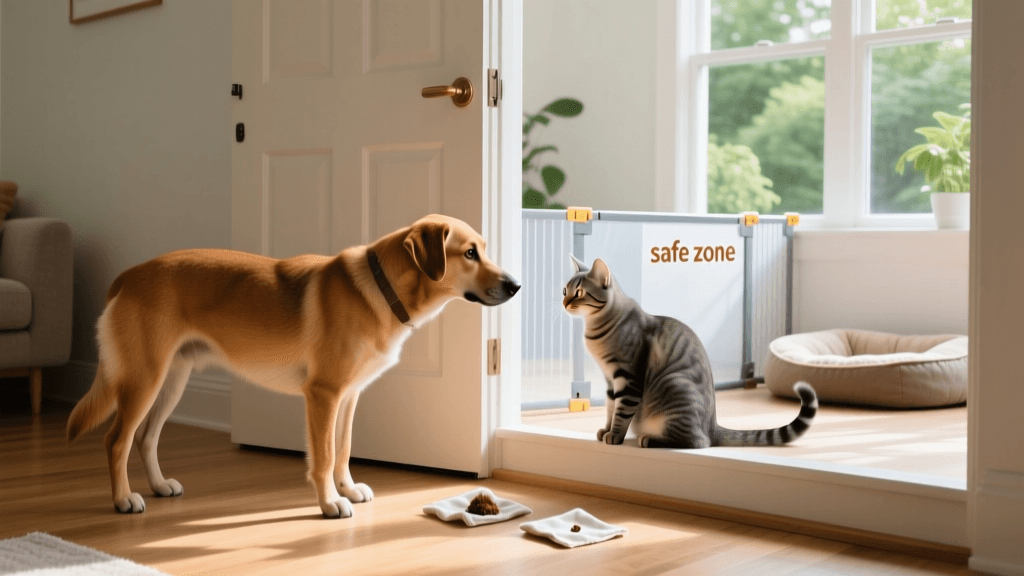
- Implement Baby Gates: If your home lacks multiple rooms, use sturdy baby gates to divide an open-concept space. The Regalo Easy Step Walk Thru Gate is an excellent, budget-friendly option (typically around $40) that allows humans to pass through while keeping dogs securely separated during meals.
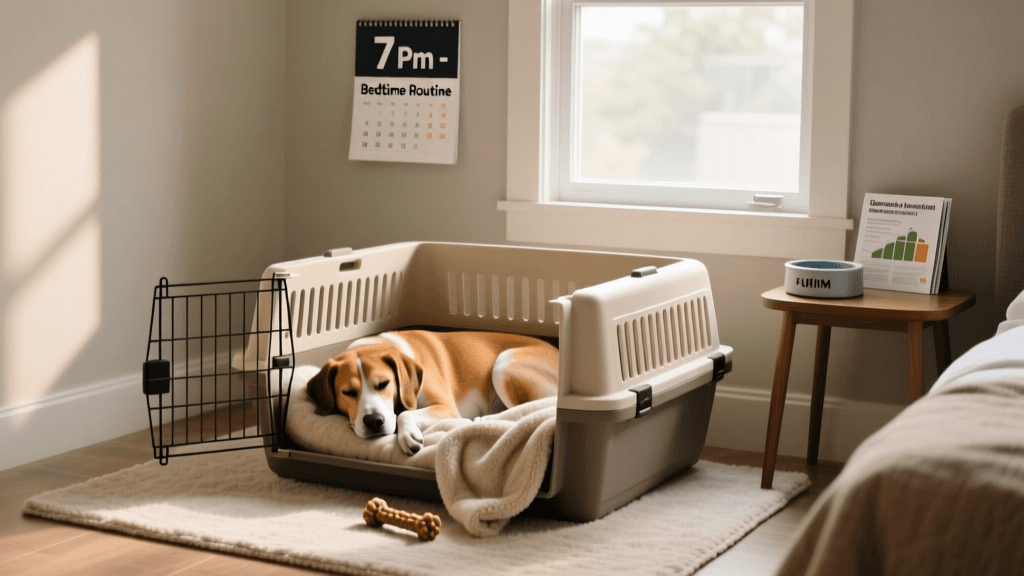
- Crate Feeding: For dogs that are already crate-trained, feeding them inside their crates provides a secure, den-like environment where they feel completely safe from 'intruders.'
- Distance Matters: If you must feed dogs in the same room, place their bowls at least 6 to 10 feet apart, facing away from each other or facing a wall, so they do not have direct eye contact while eating.
Essential Equipment for Multi-Dog Homes
Investing in the right feeding equipment can mitigate anxiety and slow down fast eaters, which reduces the likelihood of one dog finishing early and attempting to steal from another.
1. Microchip Pet Feeders
If your dogs require different diets—such as one dog needing a prescription kidney diet while the other eats standard kibble—a microchip feeder is a game-changer. The SureFeed Microchip Pet Feeder (retailing around $170) reads your dog's implanted microchip or an RFID collar tag. The lid remains closed until the correct dog approaches, completely eliminating food theft and allowing you to feed multiple dogs in the same room safely.
2. Slow Feeders and Puzzle Toys
Fast eaters are more prone to bloat and are more likely to trigger resource guarding in slower-eating packmates. Using a slow feeder, like the Outward Hound Fun Feeder Slo Bowl (approx. $15), forces dogs to work for their food, extending mealtime from 30 seconds to 10 minutes and providing valuable mental enrichment.
The Step-by-Step Structured Feeding Routine
Consistency is the bedrock of canine psychology. A predictable routine lowers cortisol levels and reduces anxiety. Implement the following step-by-step protocol for every meal:
- Wait for Calmness: Never prepare food while the dogs are jumping, barking, or whining. Wait until all dogs are sitting quietly or resting on their designated mats.
- Prepare the Bowls: Portion the food out of sight, if possible, to prevent premature excitement.
- Direct to Stations: Send each dog to their designated feeding station (crate, mat, or separate room) using a clear verbal cue like 'Place' or 'Kennel.'
- The 'Wait' Command: Place the bowl down and issue a firm 'Wait' command. The dog must not touch the food until released.
- The Release: Use a specific release word, such as 'Okay' or 'Free,' to signal that they may eat. This reinforces that you control the resources, which significantly reduces the dog's perceived need to guard them.
- Pick Up Leftovers: After 15 to 20 minutes, remove any uneaten food. Do not leave bowls down all day (free-feeding), as this makes it impossible to monitor individual intake and encourages territorial guarding of the food area.
Managing Different Dietary Needs and Life Stages
Multi-dog households often consist of pets at different life stages, each requiring specific nutritional profiles and feeding schedules. Below is a structured guide to managing these varied needs.
| Dog Profile | Feeding Frequency | Recommended Equipment | Estimated Cost |
|---|---|---|---|
| Puppy (Under 6 months) | 3 to 4 times daily | Shallow stainless steel bowls, exercise pens | $20 - $50 |
| Adult Dog (1-7 years) | 2 times daily | Elevated feeders, slow feeder bowls | $15 - $40 |
| Senior Dog (7+ years) | 2 times daily (smaller portions) | Orthopedic feeding mats, low-lip bowls | $25 - $60 |
| Special Needs / Rx Diet | As prescribed by vet | RFID Microchip pet feeder (e.g., SureFeed) | $150 - $180 |
Always consult with your veterinarian before altering feeding frequencies, especially for large breed puppies or senior dogs with metabolic conditions like diabetes, which require strict meal timing in relation to insulin administration.
Troubleshooting Common Mealtime Issues
Even with the best routines, issues can arise. If a dog attempts to steal food from another, immediately intervene by stepping between them and using a neutral interrupter, such as a sharp 'Ah-ah!' or a gentle clap, rather than yelling, which can increase overall arousal and aggression. The American Kennel Club (AKC) advises against punishing a dog for growling over food, as this suppresses the warning signal without fixing the underlying anxiety, potentially leading to a dog that bites without warning in the future.
Instead, focus on desensitization and counter-conditioning. If Dog A is nervous about Dog B being nearby, feed Dog A a high-value treat (like boiled chicken) every time Dog B walks past their station at a safe distance. Over time, Dog A will associate the presence of their packmate with positive outcomes rather than a threat to their resources.
Final Thoughts on Pack Harmony
Managing mealtime in a multi-dog household requires patience, consistency, and the right environmental setup. By acknowledging the natural instincts of your dogs and providing them with the space and structure they need to eat in peace, you eliminate the primary flashpoints for canine conflict. Remember that the ASPCA notes that most aggression in the home is rooted in anxiety and a lack of clear boundaries. When you take control of the feeding routine, you are not just providing nutrition; you are providing leadership, security, and a peaceful environment where every member of your pack can thrive.
marcus-aldridge
All our authors care for dogs every day — read more of their work on the authors page.