How to Safely Introduce a Rescue Dog to a Resident Cat
Learn how to safely introduce a rescue dog to a resident cat with our step-by-step guide on scent swapping, safe zones, and positive reinforcement.
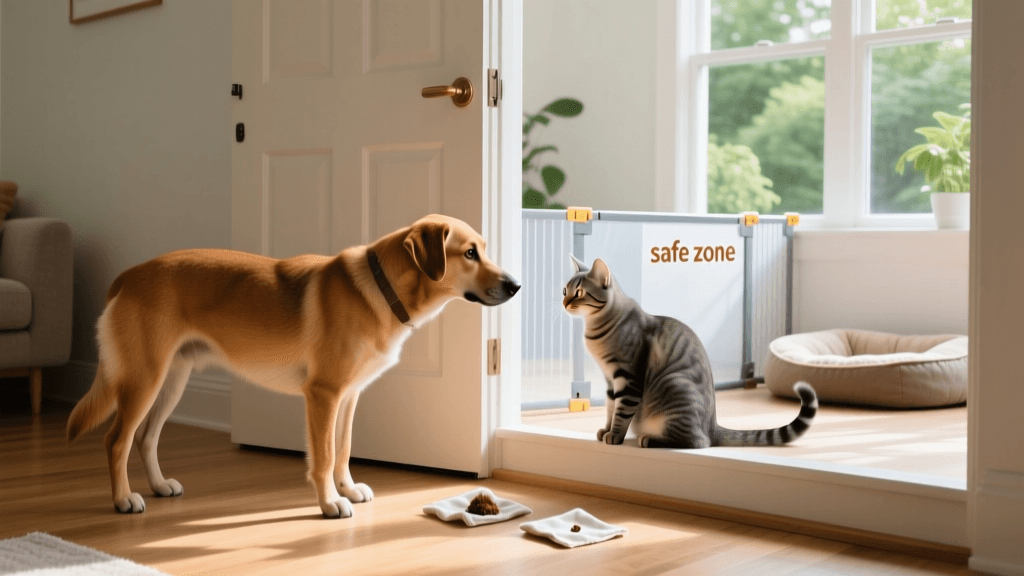
The Reality of Multi-Species Households
Bringing a rescue dog into a home with a resident cat is one of the most rewarding, yet challenging, transitions in multi-pet ownership. While the internet is full of heartwarming videos of dogs and cats cuddling, the reality of integrating two different species requires patience, strategic management, and a deep understanding of animal behavior. Dogs and cats have vastly different communication styles, predatory instincts, and social structures. A dog's natural instinct to chase a fleeing animal can trigger a cat's deep-seated survival instincts, leading to stress, injury, or a permanently fractured relationship. To build a harmonious multi-species household, you must abandon the 'let them figure it out' mentality and instead rely on a structured, phased introduction process. This guide provides a comprehensive, actionable roadmap to safely integrate your new rescue dog with your resident feline, ensuring both pets feel secure and respected in their shared environment.
Phase 1: Scent Swapping and Sanctuary Rooms (Days 1–5)
Before your dog and cat ever lay eyes on each other, they need to become accustomed to each other's presence through scent and sound. This phase is all about building positive associations without the pressure of a physical encounter.
Setting Up the Sanctuary Room
Designate a spare bedroom or a large bathroom as your cat's sanctuary room (or the dog's, depending on which pet is more stressed). If the cat is the resident, it is often easier to give the new rescue dog a designated 'decompression zone' like a crate in a quiet corner or a separate room, allowing the cat to maintain its territorial confidence. Equip the sanctuary with all essential resources: a litter box, fresh water, a comfortable bed, and scratching posts. Ensure the door is secured with a heavy-duty door stopper or a specialized pet gate to prevent accidental nose-to-nose encounters through a cracked door.
Scent Swapping Techniques
Animals rely heavily on their olfactory senses to understand their environment. Begin swapping scents by rubbing a clean, soft microfiber cloth on your dog's cheeks and shoulders, and then placing it near your cat's food bowl or favorite sleeping spot. Do the same with your cat's scent, transferring it to the dog's bed. This process teaches both animals that the other's scent is a normal, non-threatening part of their daily routine. Pair these scent introductions with high-value rewards, such as freeze-dried chicken for the dog or Churu puree treats for the cat.
Audio Desensitization
Rescue dogs may have never heard a cat hiss, yowl, or even purr. Play YouTube videos of cat vocalizations at a very low volume while feeding your dog or engaging them in a fun training session. Gradually increase the volume over several days. If the dog shows signs of stress or hyper-fixation, lower the volume immediately. This auditory desensitization prevents the dog from being startled by sudden feline noises during later phases.
Phase 2: Visual Access Without Physical Contact (Days 6–14)
Once both pets are eating comfortably near the closed door and showing relaxed body language when smelling the scent cloths, it is time to introduce visual access. This is where your investment in proper management gear pays off.
Choosing the Right Barrier
Standard baby gates are often insufficient for multi-species homes. You need a gate that is at least 36 inches tall to prevent medium-to-large dogs from jumping over, and crucially, it must feature a small pet door at the bottom. Brands like Carlson Pet Products and Richell offer excellent tension-mounted gates with built-in cat doors. This specific design allows the cat to cross the barrier and escape if they feel overwhelmed, while keeping the larger dog safely contained. Ensure the gate is installed securely in a high-traffic hallway or the doorway of the sanctuary room.
Parallel Feeding and Observation
Feed both pets on their respective sides of the gate. Start with the bowls placed several feet away from the barrier, and gradually move them closer over the course of a week, provided both animals remain relaxed. During this time, observe their reactions. A dog that whines, paws at the gate, or exhibits a hard, unblinking stare is displaying predatory or overly aroused behavior. A cat that hisses, swats, or refuses to eat is displaying fear or territorial defensiveness. If either pet shows these signs, move the food bowls further back and proceed more slowly. There is no universal timeline; let the animals dictate the pace.
Phase 3: Controlled, Leashed Introductions (Weeks 3–4)
When both pets can eat calmly right on opposite sides of the gate and the dog can look at the cat without lunging or whining, you can move to controlled face-to-face meetings in a neutral, open space like the living room.
Leash Handling and Setup
According to the American Kennel Club (AKC), keeping the dog on a leash during early face-to-face meetings is critical for safety and control. Use a 15-foot biothane training lead rather than a standard 6-foot leash or a retractable leash. The longer lead allows the dog to move naturally without feeling the tension of a short leash, which can inadvertently increase frustration and reactivity. Attach the leash to a well-fitted front-clip harness to give you maximum steering control without putting pressure on the dog's trachea.
The 15-Minute Session Rule
Keep initial face-to-face sessions incredibly short—no more than 5 to 15 minutes. Bring the leashed dog into the room and immediately engage them in a familiar obedience routine, such as 'sit', 'down', or 'touch' (hand targeting). Reward heavily with high-value treats for any calm behavior or for voluntarily looking away from the cat. Allow the cat to enter the room on their own terms; never force a cat to be held or restrained near a dog. If the dog fixates on the cat, calmly use the leash to guide them away and ask for a 'sit'. End the session on a positive note before either animal becomes fatigued or overstimulated.
Essential Gear and Budget Breakdown
Successfully managing a multi-dog and cat household requires a financial and logistical investment in the right tools. Below is a breakdown of the essential gear you will need during the introduction process and for long-term management.
| Item | Purpose | Estimated Cost | Recommended Brand/Type |
|---|---|---|---|
| Baby Gate with Cat Door | Visual barrier & feline escape route | $60 - $90 | Carlson Pet Products or Richell |
| Pheromone Diffuser | Reduces feline environmental stress | $25 - $35 | Feliway Optimum |
| Long Training Lead | Safe, tension-free dog control | $15 - $25 | 15ft Biothane leash |
| High-Value Treats | Positive reinforcement & counter-conditioning | $10 - $15 | Freeze-dried chicken or beef liver |
| Lick Mat | Canine distraction and calming activity | $10 - $15 | Hyper Pet IQ or LickiMat |
| Vertical Cat Tree | Provides safe, elevated observation zones | $80 - $150 | Frisco or Go Pet Club (min. 5ft tall) |
Reading Canine and Feline Body Language
Miscommunication between species is the leading cause of household conflict. Dogs and cats use different physical cues to express discomfort, and as the pet parent, you must act as their translator and advocate.
- Canine Red Flags: A closed, tight mouth, stiff body posture, a high and rigidly wagging tail, and a hard, unblinking stare are all signs of high arousal or predatory focus. Whining and pawing indicate frustration. If you see these, calmly increase the distance between the pets.
- Canine Green Flags: A soft, relaxed face, open mouth (sometimes called a 'play face'), loose and wiggly body movements, and a willingness to disengage from the cat to look at you for treats.
- Feline Red Flags: Piloerection (fur standing on end), a rapidly swishing or thumping tail, pinned-back ears, dilated pupils, and a low, crouched posture. Hissing and growling are clear warnings to back off.
- Feline Green Flags: A tail held high with a slight curve at the tip (the 'question mark' tail), slow blinking, relaxed ears facing forward, and a willingness to groom or eat in the dog's presence.
Troubleshooting Common Setbacks
It is entirely normal to experience setbacks during the introduction process. If your dog lunges at the cat, or if the cat swats the dog and causes a defensive reaction, do not punish either animal. Punishment only increases anxiety and can create negative associations with the other pet. Instead, calmly separate them and return to the previous phase for at least three to five days. If your dog has a high prey drive and continues to fixate on the cat despite weeks of counter-conditioning, consult a certified professional dog trainer or a veterinary behaviorist. In some cases, certain hunting breeds or dogs with a history of chasing small animals may never be safe to leave unsupervised with a cat, and lifelong management (such as crate rotation or baby gates) will be a permanent fixture in your home.
Long-Term Management and Vertical Safe Zones
Even after your dog and cat are comfortably sharing the same space, you must maintain environmental modifications to ensure long-term harmony. The Best Friends Animal Society emphasizes that a cat must always have an escape route and access to dog-free zones. This is where vertical space becomes crucial. Install wall-mounted cat shelves, tall cat trees, and clear off the tops of bookshelves to create a 'feline highway' around your living room. This allows the cat to navigate the room and observe the dog from a safe, elevated vantage point without ever having to cross the dog's path on the floor. Additionally, never leave food bowls or litter boxes in areas where the dog can ambush the cat while they are vulnerable. Use microchip-activated pet doors or place litter boxes behind baby gates to ensure your cat's most private moments remain stress-free. By respecting their distinct species needs and maintaining structured boundaries, your multi-pet household can thrive in peaceful coexistence.
tom-renshaw
All our authors care for dogs every day — read more of their work on the authors page.