Top No-Pull Y-Shaped Dog Harnesses for Joint Health 2026
Discover how Y-shaped no-pull dog harnesses protect canine joints and tracheas. Compare top 2026 models like Ruffwear and Blue-9 for optimal biomechanics.
The Hidden Health Risks of Leash Pulling
Walking your dog should be a joyful bonding experience, but for owners of high-drive or reactive dogs, it often devolves into a frustrating tug-of-war. Beyond the behavioral annoyance, chronic leash pulling poses severe, long-term health risks to your dog's musculoskeletal and respiratory systems. As we navigate the updated veterinary biomechanics guidelines of 2026, the consensus among canine physical therapists is clear: the equipment you use to walk your dog fundamentally alters their gait, joint health, and airway safety.
When a dog pulls against a traditional flat collar, the localized pressure on the cervical spine and trachea can lead to devastating injuries. Conversely, poorly designed back-clip harnesses can encourage pulling by engaging a dog's natural drafting instinct—much like a sled dog. To combat this, the modern veterinary and behavioral communities overwhelmingly recommend front-clip, Y-shaped no-pull harnesses. This comprehensive guide explores the biomechanics of these harnesses, reviews the top 2026 models, and provides actionable fitting advice to ensure your dog's long-term wellbeing.
The Biomechanics of the Canine Shoulder: Y-Shape vs. T-Shape
Not all harnesses are created equal. Historically, many harnesses featured a horizontal chest strap that crossed directly over the dog's shoulder joints. Known as 'T-shaped' or 'restrictive' harnesses, these designs physically impede the natural extension of the glenohumeral (shoulder) joint. According to canine rehabilitation specialists, restricting this movement forces the dog to alter their natural gait, leading to shortened strides, compensatory spinal stress, and eventually, early-onset osteoarthritis.
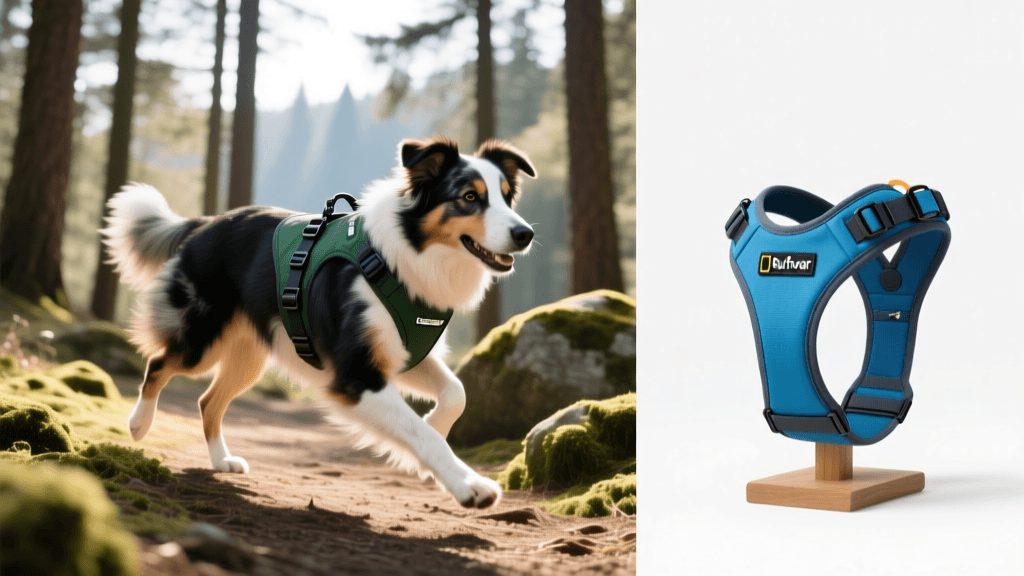
In contrast, a Y-shaped harness features a chest strap that splits into two distinct bands, forming a 'Y' that rests safely on the sternum and wraps around the ribcage, well behind the shoulder blades. This design leaves the scapula and shoulder joint completely unrestricted, allowing for full, natural extension during walking, trotting, and running. When combined with a front-clip D-ring located on the sternum, the harness safely redirects the dog's center of gravity toward the handler whenever they pull, effectively neutralizing the pulling force without causing joint strain or pain.
Tracheal Collapse and Neck Safety
One of the most critical reasons to transition away from collars and toward a well-fitted no-pull harness is the prevention of tracheal damage. The canine trachea is composed of flexible cartilage rings that keep the airway open. In many small and toy breeds—such as Yorkshire Terriers, Pomeranians, and Toy Poodles—these rings can weaken and flatten, a condition known as tracheal collapse.
According to VCA Animal Hospitals, tracheal collapse causes a chronic, honking cough and severe respiratory distress, which is heavily exacerbated by pressure on the neck. Even in large, robust breeds, sudden jerks on a collar can cause cervical disc herniations or bruising of the esophagus. The American Kennel Club strongly advocates for the use of harnesses over collars for dogs that pull, noting that a front-clip harness distributes force safely across the chest and back, entirely removing the neck from the equation.
2026 Veterinary-Approved No-Pull Harness Comparison
To help you make an informed decision, we have tested and compared the leading Y-shaped, front-clip harnesses available in 2026. Our criteria include shoulder clearance, durability of the front clip, breathability, and overall biomechanical safety.
| Feature | Blue-9 Balance (2026 Ed.) | Ruffwear Front Range | Kurgo Tru-Fit Smart |
|---|---|---|---|
| Y-Shape Design | Yes (Unrestricted) | Yes (Unrestricted) | Yes (Slightly padded) |
| Front Clip Type | Stainless Steel D-Ring | Aluminum V-Ring | Nesting Buckle D-Ring |
| Adjustment Points |
anouk-beaumont
All our authors care for dogs every day — read more of their work on the authors page.