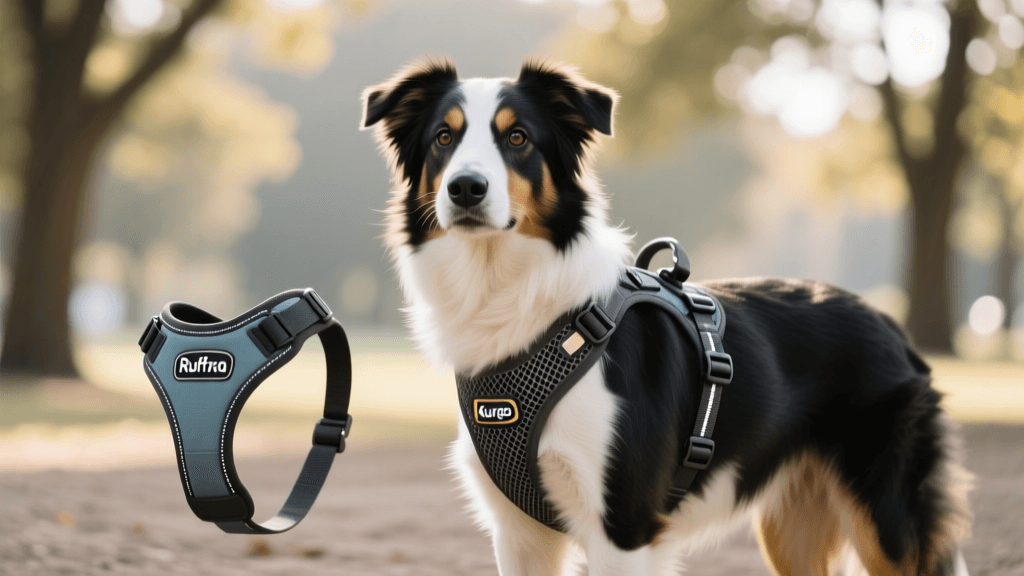
Best No Pull Dog Harnesses for Trachea Health 2026
Discover how front-clip no pull dog harnesses protect your dog's trachea and spine in 2026. Compare Ruffwear and Kurgo for optimal joint health.
The Hidden Health Risks of Traditional Neck Collars
As we navigate dog ownership in 2026, veterinary science continues to shed light on the long-term biomechanical impacts of everyday walking equipment. For decades, the standard flat nylon or leather neck collar has been the default choice for attaching a leash. However, from a health and wellbeing perspective, traditional collars pose significant risks to your dog's respiratory and neurological systems, particularly for dogs that pull.
When a dog pulls against a neck collar, the localized pressure is distributed directly across the delicate structures of the anterior neck. This can lead to a host of severe medical conditions. The most prominent is tracheal collapse, a progressive disease where the cartilage rings of the windpipe weaken and flatten, making breathing incredibly difficult. Breeds such as Pomeranians, Chihuahuas, and Yorkshire Terriers are genetically predisposed to this condition, but the mechanical stress of a collar can trigger or exacerbate it in any breed.
Beyond the airway, the cervical spine is highly vulnerable. Sudden jerks or sustained pulling can cause cervical disc herniation, nerve damage, and increased intraocular pressure, which is a critical risk factor for dogs predisposed to glaucoma. Transitioning to a well-engineered no pull dog harness is no longer just a training preference; it is a fundamental veterinary recommendation for preserving your dog's anatomical integrity.
The Biomechanics of the Front-Clip No Pull Harness
Not all harnesses are created equal. While back-clip harnesses successfully remove pressure from the neck, they distribute the force across the dog's chest and shoulders in a way that actually encourages pulling. This is known as the 'sled dog effect,' where the dog's natural opposition reflex kicks in, allowing them to lean into the harness with their full body weight.
The front-clip no pull dog harness revolutionizes walking mechanics by placing the leash attachment point at the sternum (the center of the chest). When the dog pulls forward, the leash tension gently redirects their center of gravity sideways and back toward the handler. This biomechanical redirection naturally slows the dog down without requiring physical force, choking, or corrective jerks from the owner.
By utilizing a front-clip design, you protect the trachea from compression while simultaneously engaging the dog's larger, more resilient muscle groups in the chest and back. This ensures that any residual kinetic energy is safely absorbed by the skeletal and muscular system rather than the delicate cartilage of the throat.
2026 Veterinary-Approved Harness Comparison
To help you make an informed decision for your dog's health this year, we have evaluated the top-performing no pull harnesses available in 2026. Our criteria focus on tracheal clearance, shoulder mobility, weight distribution, and material durability.
| Feature | Ruffwear Front Range (2026) | Kurgo Tru-Fit Smart Harness | PetSafe Easy Walk |
|---|---|---|---|
| Primary Attachment | Front (V-Ring) & Back | Front (Nestled Ring) & Back | Front (Martingale Loop) |
| Chest Plate Design | Padded Y-Strap | Crash-Tested V-Shaped Plate | Single Horizontal Strap |
| Shoulder Mobility | Excellent (Unrestricted) | Excellent (Anatomical Cut) | Poor (Restricts Scapula) |
| Trachea Clearance | High | High | Moderate |
| Avg. 2026 Price | $44.95 | $39.99 | $25.95 |
Ruffwear Front Range (2026 Update)
The Ruffwear Front Range remains a gold standard in canine ergonomics. Its 2026 iteration features an updated, highly breathable foam padding that conforms to the dog's chest without trapping excess heat. The Y-shaped chest strap is crucial for health, as it bypasses the shoulder joints entirely, allowing for a full range of motion in the scapula. The aluminum V-ring at the sternum provides a secure, rust-proof attachment point that glides smoothly when the dog changes direction.
Kurgo Tru-Fit Smart Harness
Originally designed with input from automotive safety engineers, the Kurgo Tru-Fit features a unique nested front ring that sits slightly lower on the chest. This design offers superior tracheal clearance, making it an exceptional choice for brachycephalic breeds (like Pugs and French Bulldogs) or dogs with a history of respiratory issues. Furthermore, the steel nesting buckle system ensures that the harness can withstand sudden, high-impact lunges without snapping or warping.
PetSafe Easy Walk
While the PetSafe Easy Walk is a budget-friendly staple and utilizes a clever martingale front loop to discourage pulling, its horizontal chest strap design is a point of contention among canine rehabilitation specialists. The strap crosses directly over the dog's shoulders, which can impede natural scapular rotation during extended walks or runs. While it is effective for short training sessions, it is not recommended for long-distance hiking or dogs with existing shoulder dysplasia.
Protecting Canine Shoulder Mobility and Joint Health
When selecting a no pull dog harness, it is vital to consider the canine skeletal structure. A dog's front legs are not attached to their spine by a collarbone like humans; instead, the scapula (shoulder blade) is held in place entirely by a sling of muscles and tendons. If a harness features a horizontal strap that wraps tightly across the front of the chest, it restricts the backward extension of the front legs.
Over time, this restricted gait can lead to altered biomechanics, causing compensatory strain on the dog's lower back and hindquarters. According to experts who study how to choose the right dog harness, a Y-shaped front or an anatomically cut chest plate is mandatory for preserving healthy joint articulation. Both the Ruffwear and Kurgo models excel in this area, ensuring that your dog's natural stride remains uncompromised while still providing the anti-pull leverage you need.
Step-by-Step Anatomical Fitting Guide
Even the most expensive, ergonomically designed harness can cause health issues if fitted incorrectly. A harness that is too loose can chafe the axillary (armpit) region, leading to painful abrasions, while one that is too tight can restrict ribcage expansion and impair breathing. Follow this 2026 fitting protocol:
- Step 1: The Neck Opening. Slip the harness over the dog's head. The bottom of the neck strap should rest comfortably on the sternum, well below the trachea. You should be able to slide two fingers flat against the skin underneath the strap.
- Step 2: The Girth Strap. Buckle the strap behind the front legs. This strap should sit about two to three inches behind the armpit to prevent chafing. Again, apply the two-finger rule.
- Step 3: The Front Ring Check. With the leash attached to the front ring, apply gentle forward pressure. The chest plate should not ride up into the dog's throat. If it touches the neck, tighten the girth strap slightly or adjust the shoulder sliders.
- Step 4: The Gait Observation. Watch your dog trot away from you. Their front legs should extend fully forward without the harness straps biting into the shoulder muscles.
Mental Wellbeing: Reducing Walk-Time Cortisol
Health and wellbeing extend far beyond physical anatomy; they encompass mental and emotional stability as well. Dogs that constantly pull on the leash often experience elevated cortisol levels due to frustration, lack of clear communication, and the physical discomfort of choking. This creates a negative feedback loop where the dog associates walking with stress and anxiety.
By utilizing a front-clip no pull harness, you introduce a gentle, non-punitive form of communication. When the dog pulls, they simply turn toward you, breaking their visual fixation on the trigger (whether it is a squirrel, another dog, or a passing car). This physical redirection allows the dog's nervous system to down-regulate. According to behavioral guidelines outlined by the ASPCA regarding safe dog walking, minimizing physical conflict during walks drastically improves the human-animal bond and reduces leash reactivity.
Furthermore, because the handler does not need to constantly jerk the leash or yell commands, the handler's own stress levels decrease. Dogs are highly empathetic and attuned to human emotional states; a calm handler translates to a calm, confident dog. The walk transforms from a daily battle of strength into a cooperative, mentally enriching experience that promotes cardiovascular health and psychological balance for both parties.
Final Thoughts for 2026
Upgrading to a front-clip no pull dog harness is one of the most impactful, proactive health decisions you can make for your canine companion this year. By eliminating the dangerous focal pressure on the trachea and cervical spine, you safeguard your dog against debilitating respiratory and neurological conditions. When paired with an anatomically correct Y-strap design, you also preserve vital shoulder mobility, ensuring your dog can run, play, and explore comfortably for years to come.
Whether you choose the premium, all-terrain comfort of the Ruffwear Front Range or the crash-tested, trachea-clearing design of the Kurgo Tru-Fit, the key is consistency. Pair your new harness with positive reinforcement training, reward-based loose-leash walking techniques, and regular veterinary check-ups. Your dog's physical health, mental clarity, and overall happiness depend on the choices you make at the end of the leash.
hannah-wickes
All our authors care for dogs every day — read more of their work on the authors page.