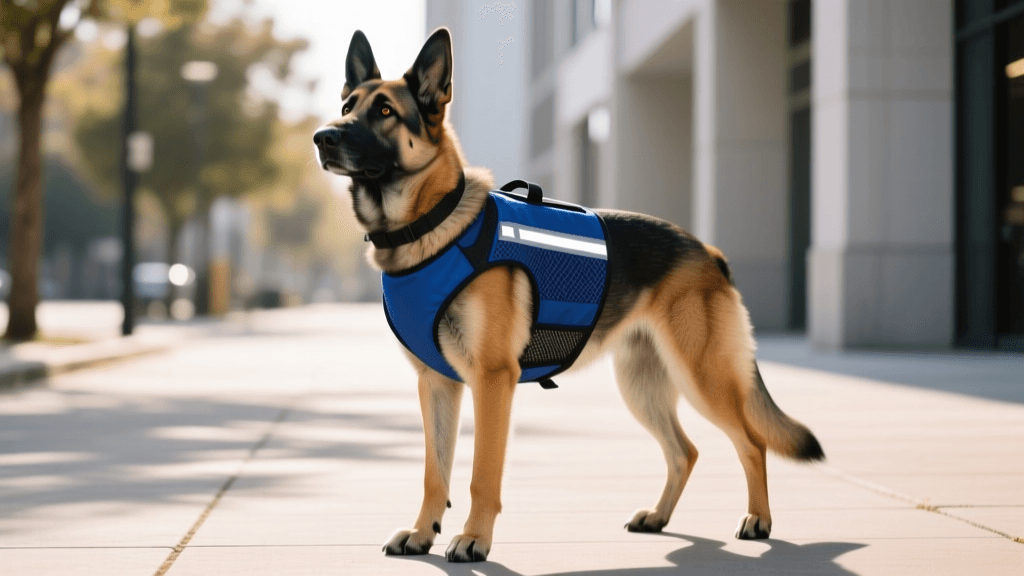
Top No Pull Dog Harnesses For Canine Joint Health 2026
Discover the best no pull dog harnesses for 2026 that protect canine joints and tracheas. Expert reviews on Y-shaped ergonomic designs for healthy walks.
The Biomechanics of Leash Pulling: Why Gear Choice Matters in 2026
As veterinary medicine and canine biomechanics research continue to evolve in 2026, the consensus among veterinary orthopedic specialists is clear: the equipment you use to walk your dog directly impacts their long-term musculoskeletal and respiratory health. For decades, traditional flat collars were the default choice for dog owners. However, modern veterinary science has definitively linked collar-based leash walking to a host of severe health issues, particularly in dogs that exhibit pulling behaviors. When a dog pulls against a flat collar, the sheer force is concentrated entirely on the delicate structures of the cervical spine and the trachea.
According to the American Veterinary Medical Association (AVMA), preventive orthopedic and respiratory care begins with minimizing unnecessary physical stress during daily activities. For dogs prone to pulling, this stress can lead to cervical disc herniation, exacerbated intraocular pressure (which is dangerous for breeds prone to glaucoma), and the devastating progression of tracheal collapse. This is why the transition to an ergonomic, no pull dog harness is no longer just a training preference—it is a critical veterinary health recommendation. In 2026, the market is flooded with harness options, but not all designs are created equal when it comes to preserving your dog's joint health and natural gait.
Y-Shaped vs. T-Shaped Harnesses: Protecting the Canine Shoulder Gait
When evaluating a no pull dog harness from a health and wellbeing perspective, the geometry of the chest plate is the most vital factor. Harnesses generally fall into two categories: T-shaped (or horizontal-strap) and Y-shaped. T-shaped harnesses feature a horizontal strap that runs directly across the dog's chest and shoulders. While these may stop a dog from pulling by physically blocking their forward momentum, they do so by impeding the natural extension of the shoulder joint (the scapulohumeral joint).
Research into canine locomotion shows that a dog's front limbs bear approximately 60% of their total body weight. The scapula (shoulder blade) is not rigidly attached to the skeleton by bones; rather, it is held in place by a complex sling of muscles. A horizontal T-strap compresses these muscles, shortening the dog's stride, altering their natural center of gravity, and potentially leading to chronic shoulder strain and compensatory spinal issues over time. Conversely, a Y-shaped harness features a center strap that drops down between the front legs, leaving the shoulder blades completely unrestricted. This design allows for full, natural extension of the front limbs, making it the only harness style recommended by canine physical therapists and veterinary orthopedic surgeons for daily use.
Top Ergonomic No-Pull Harnesses Reviewed for 2026
To help you make an informed decision for your dog's orthopedic health, we have evaluated the top-performing Y-shaped, no pull harnesses available in 2026. These selections are based on veterinary recommendations, material durability, biomechanical safety, and effectiveness in redirecting pulling behavior without causing joint restriction.
1. Ruffwear Front Range Harness (Best Overall for Joint Mobility)
The 2026 iteration of the Ruffwear Front Range remains the gold standard for active dogs requiring joint protection. Its Y-shaped chest plate is meticulously designed to sit below the scapula, ensuring zero interference with the shoulder gait. The harness features two leash attachment points: a reinforced aluminum V-ring on the back for standard walks, and a front chest ring specifically designed to redirect pulling dogs. When a dog pulls, the front clip gently pivots their chest toward the handler, utilizing their own biomechanics to discourage forward lunging without applying painful pressure to the joints.
Furthermore, the updated 2026 model features an enhanced breathable foam padding that distributes pressure evenly across the sternum and ribcage, preventing localized friction. Priced at approximately $45.00, it is an investment in your dog's long-term mobility.
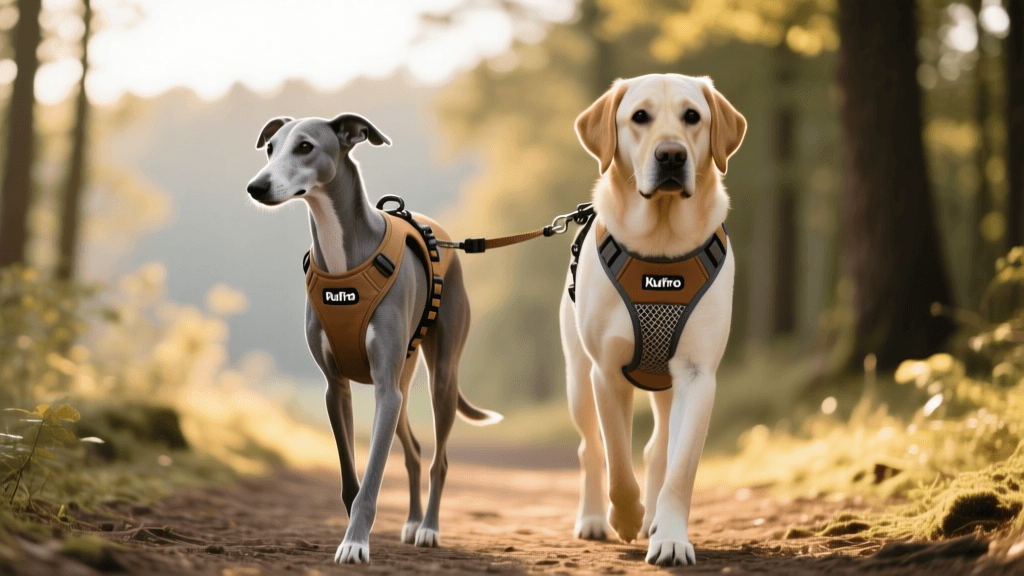
2. Kurgo Tru-Fit Smart Harness (Best for Deep-Chested Breeds)
Deep-chested breeds like Greyhounds, Great Danes, and Dobermans are uniquely susceptible to bloat (Gastric Dilatation-Volvulus) and joint dysplasia. The Kurgo Tru-Fit Smart Harness is engineered with a broad, padded chest plate that accommodates deep sternums without resting on the soft abdominal tissues. Its Y-shaped design ensures that the heavy pulling force is distributed across the robust pectoral muscles rather than the delicate throat or shoulder joints.
Additionally, the Kurgo Tru-Fit includes a 10-inch seatbelt tether, making it a versatile tool for car safety, which is a crucial aspect of holistic canine wellbeing. The front D-ring provides excellent no-pull leverage. Current 2026 pricing sits around $35.00, making it a highly durable, mid-range option for large, powerful breeds.
3. PetSafe 3-in-1 Harness (Best Budget Orthopedic Option)
For pet owners seeking an affordable yet biomechanically sound option, the PetSafe 3-in-1 Harness delivers exceptional value. It strictly adheres to the Y-shaped design philosophy, ensuring the shoulder joints remain completely free of restrictive straps. It features a front martingale loop that tightens just enough to provide a gentle, non-punitive cue when the dog pulls, which is highly recommended by positive reinforcement trainers.
The neoprene padding on the belly and chest straps prevents axillary (armpit) chafing, a common issue with poorly fitted budget harnesses. At roughly $25.00 in 2026, it is the most accessible entry point into orthopedic-friendly walking gear.
Comparison Chart: 2026 No-Pull Harness Features
| Brand & Model | Best For | Y-Shaped Front | Front Clip | 2026 Est. Price |
|---|---|---|---|---|
| Ruffwear Front Range | Active breeds & joint mobility | Yes | Yes (Aluminum V-ring) | $45.00 |
| Kurgo Tru-Fit Smart | Deep-chested & large breeds | Yes | Yes (Steel D-ring) | $35.00 |
| PetSafe 3-in-1 | Budget-conscious & training | Yes | Yes (Martingale loop) | $25.00 |
Proper Fitting Techniques to Prevent Shoulder Strain
Even the most ergonomically advanced no pull dog harness can cause orthopedic harm if fitted incorrectly. The ASPCA's general dog care guidelines emphasize that proper equipment fitting is essential to avoid skin abrasions and restricted circulation. Follow this 2026 standard fitting protocol to ensure your dog's health is protected:
- The Two-Finger Rule: You should be able to comfortably slide two fingers under any strap on the harness. If it is tighter, it will restrict blood flow and cause chafing; if looser, the dog may back out of it, leading to escape-related injuries.
- Check the Axillary Clearance: Pay special attention to the armpit area. The straps should sit at least an inch behind the dog's front elbows. If the strap rests directly in the armpit, it will cause severe friction burns and impede the lymph nodes located in that region.
- Sternum Strap Placement: The top of the Y-shape should rest flat against the manubrium (the top of the sternum). It should never ride up into the soft tissue of the throat, as this defeats the purpose of moving away from collar-based tracheal pressure.
The Mental Health Connection: Pain and Leash Reactivity
Canine wellbeing is not solely physical; mental health and behavioral stability are deeply intertwined with physical comfort. The American Kennel Club (AKC) frequently highlights how undetected pain is a leading cause of sudden behavioral changes, including leash reactivity and aggression. When a dog wears a restrictive T-shaped harness or a flat collar that causes micro-traumas to the neck and shoulders, they begin to associate the sensation of walking with pain.
This classical conditioning often manifests as lunging, barking, or freezing when they see other dogs or stimuli on a walk. By switching to a properly fitted, Y-shaped no pull harness, you remove the physical pain trigger. Many veterinary behaviorists report a significant decrease in leash frustration and reactivity simply by upgrading a dog's walking gear to an orthopedic-friendly harness. A comfortable dog is a confident, calmer dog, making your daily walks a source of mental enrichment rather than physical and psychological stress.
Conclusion: Investing in Your Dog's Long-Term Vitality
The shift toward biomechanically sound walking gear is one of the most positive preventative health trends of 2026. By choosing a Y-shaped no pull dog harness like the Ruffwear Front Range, Kurgo Tru-Fit, or PetSafe 3-in-1, you are actively protecting your dog's trachea, preserving their natural shoulder gait, and supporting their mental wellbeing. Remember that a harness is a tool for management and joint protection; pairing it with positive reinforcement training will ultimately yield the healthiest, happiest walks for both you and your canine companion.
beth-carrasco
All our authors care for dogs every day — read more of their work on the authors page.