Puppy-Proofing Your Home: A Room-by-Room Safety Guide
Discover how to puppy-proof your home with our room-by-room safety guide. Learn essential dog-proofing tips, product picks, and hazard prevention strategies.

Why Puppy-Proofing is Non-Negotiable
Bringing a new puppy home is an incredibly thrilling milestone, but it also introduces a whirlwind of chaos and potential hazards. Puppies experience the world primarily through their mouths. Between the ages of three weeks and six months, your puppy will go through an intense teething phase that drives an almost uncontrollable urge to chew on anything within reach. According to veterinary behaviorists and emergency clinics, failing to properly manage a puppy's environment is the leading cause of emergency vet visits for foreign body ingestion, intestinal blockages, and toxic exposure.
Puppy-proofing is not just about protecting your favorite pair of shoes or keeping your baseboards intact; it is a critical, life-saving step in ensuring your dog's well-being during their most vulnerable developmental stage. This comprehensive guide will walk you through the process of securing your home room by room, complete with specific product recommendations, measurements, and actionable strategies.
The Kitchen: Securing the Heart of the Home
Trash Can Containment
The kitchen trash can is essentially a treasure chest for a curious puppy. Discarded chicken bones, grease-soaked wrappers, and toxic food scraps like onions or grapes pose severe internal laceration and systemic toxicity risks. To combat this, invest in a heavy-duty, locking trash can such as the Simplehuman Locking Trash Can (retailing around $150). Alternatively, install a pull-out trash bin inside a lower cabinet equipped with a child-proof latch. Never rely on a simple step-on pedal bin, as puppies quickly learn to use their paws to pop the lid open.
Cabinet and Drawer Locks
Puppies can easily learn to nudge open lower cabinets with their snouts. Install magnetic cabinet locks, like the Safety 1st Magnetic Cabinet Locks (approximately $25 for a 12-pack), on all drawers and cabinets below counter height. This prevents unauthorized access to dish soap, sponges, sharp utensils, and human snacks. Ensure the magnetic keys are stored on top of the refrigerator or in a high drawer out of the puppy's reach.
Toxic Food Storage
Many common human foods are highly toxic to dogs. Xylitol (an artificial sweetener found in sugar-free gums and some peanut butters), chocolate, macadamia nuts, and grapes can cause acute organ failure even in small quantities. Always store these items in upper cabinets, at least 48 inches off the floor. For a comprehensive and constantly updated list of dangerous foods and household items, consult the ASPCA Animal Poison Control database, which provides authoritative guidelines on toxic and non-toxic substances.
The Living Room: Managing Cords and Choking Hazards
Electrical Cord Management
Chewing on electrical cords can result in severe oral burns, electrocution, or even fatal pulmonary edema. Never leave cords dangling or resting loosely on the floor. Use split loom tubing or hard plastic cord concealers, such as the D-Line Cord Cover Raceway ($15 to $20 per 10-foot kit), to encase wires running across the floor or behind the television stand. Additionally, use sliding outlet covers to prevent curious paws or wet noses from exploring empty electrical sockets.
Houseplants and Decor
Many popular houseplants are highly toxic to dogs if ingested. Lilies, sago palms, philodendrons, and pothos can cause symptoms ranging from severe gastrointestinal distress to irreversible liver failure. Before bringing a puppy home, audit your indoor and outdoor flora. Remove toxic plants entirely or place them in hanging planters at least 60 inches from the ground, ensuring no leaves dangle within jumping distance.
| Room | Common Hazard | Puppy-Proofing Solution | Estimated Cost |
|---|---|---|---|
| Kitchen | Trash Cans | Locking lid bin or cabinet installation | $50 - $150 |
| Living Room | Electrical Cords | Split loom tubing or cord raceways | $15 - $25 |
| Bathroom | Open Toilets | Adhesive toilet lid locks | $8 - $12 |
| Laundry | Detergent Pods | High shelving (60+ inches) or locked closet | $0 - $40 |
| Bedroom | Clothing & Shoes | Closed hampers and closet doors | $20 - $50 |
If you suspect your puppy has chewed on a toxic plant, swallowed a household chemical, or ingested human medication, immediately reference the Pet Poison Helpline to identify the toxicity level and contact your emergency veterinarian without delay.
The Bathroom: Medications and Cleaning Supplies
Toilet Safety
Puppies are naturally drawn to the bathroom due to the interesting smells and sounds. An open toilet bowl presents a genuine drowning hazard for small and toy breeds, and a source of contaminated water for all dogs. Furthermore, if you use automatic drop-in toilet bowl cleaners, the water becomes highly toxic. Install a simple adhesive toilet lid lock, such as the Safety 1st Toilet Lid Lock (under $10), to keep the lid securely closed at all times. Make it a household rule to shut the bathroom door whenever the room is unoccupied.
Medicine Cabinet Security
Human medications, particularly NSAIDs like ibuprofen and naproxen, are incredibly dangerous to dogs and can cause fatal kidney failure or severe stomach ulcers even in minimal doses. Never leave pill bottles on the counter, sink, or nightstand. Ensure your medicine cabinet is fully latched, and always pick up any dropped pills immediately. Keep vitamins and supplements, especially those containing iron or vitamin D, securely locked away.
The Bedroom and Laundry Room: Hidden Dangers
Laundry Pods and Detergents
Liquid laundry pods are highly concentrated and pose a massive risk to chewing puppies. If a puppy bites into a pod, the pressurized liquid can shoot into the back of their throat, causing severe chemical burns, respiratory distress, and violent vomiting. Store all laundry supplies on high shelves (a minimum of 60 inches from the floor) or inside a locked utility closet. Never leave a laundry basket full of dirty clothes unattended on the floor.
Clothing and Shoes
Socks, underwear, and children's small toys are the most common culprits for intestinal blockages in young dogs. A swallowed sock often requires an expensive and risky surgical intervention to remove from the digestive tract. Make it a strict household rule to keep all clothing in closed hampers or drawers, and store shoes in a closed closet rather than on open shoe racks.
Outdoor Spaces: Yards and Balconies
If you have a yard or a balcony, the outdoor environment requires just as much scrutiny as the indoors. Inspect your fencing for gaps, loose boards, or areas where a small puppy could squeeze through or dig under. Bury chicken wire at the base of the fence or place heavy landscaping rocks along the perimeter to deter digging.
Avoid using cocoa bean mulch in your garden beds, as it smells like chocolate and is highly toxic if ingested. Opt for pet-safe alternatives like shredded pine or cedar mulch. For apartment dwellers with balconies, install acrylic or mesh balcony barriers to prevent your puppy from slipping through the railings or attempting to chase a bird over the edge.
Creating a Safe “Puppy Zone”
Even with the most meticulous puppy-proofing, you cannot supervise your dog 24 hours a day. Creating a designated safe space is essential for their security and your peace of mind. Use a heavy-duty metal exercise pen, such as the MidWest Homes for Pets Foldable Metal Dog Exercise Pen ($50 to $80). For small breeds, a 24-inch height is generally sufficient, while medium to large breeds require a 36-inch or 42-inch pen to prevent them from climbing over the top.
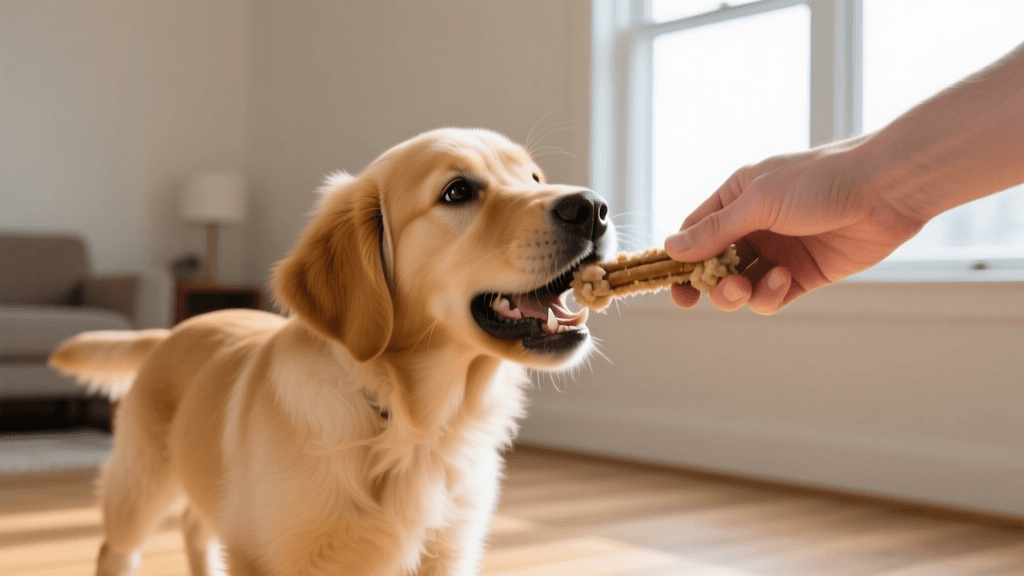
Outfit this zone with a chew-proof elevated bed, a heavy ceramic or stainless steel water bowl, and safe enrichment toys like the Kong Classic stuffed with frozen puppy-safe peanut butter. This zone serves as their sanctuary when you are cooking, showering, or sleeping, ensuring they remain safe from household hazards while you are distracted.
Conclusion
Puppy-proofing is not a one-time chore; it is an ongoing process that evolves as your dog grows, becomes more agile, and develops new problem-solving skills. By taking the time to systematically secure your kitchen, living areas, bathrooms, and outdoor spaces, you are investing in your puppy's health and saving yourself from potential emotional and financial heartbreak. Stay vigilant, anticipate their curiosity, and enjoy the wonderful journey of raising a happy, safe, and healthy companion.
hannah-wickes
All our authors care for dogs every day — read more of their work on the authors page.