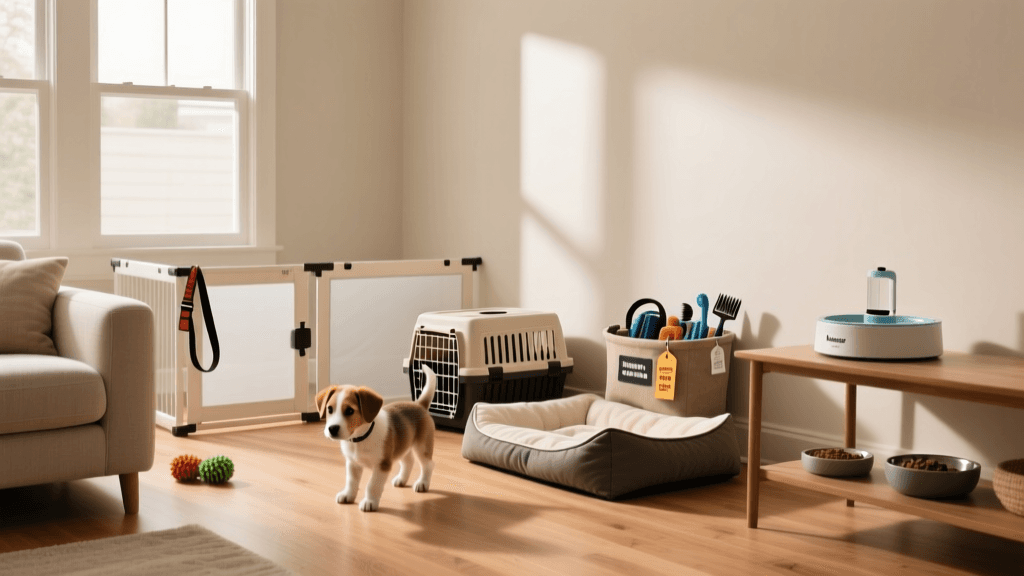
Budget-Friendly Dog Adoption: First-Year Costs & Tips
Discover how to adopt a dog on a budget. Learn first-year cost breakdowns, money-saving tips, and DIY essentials for new, frugal pet parents.
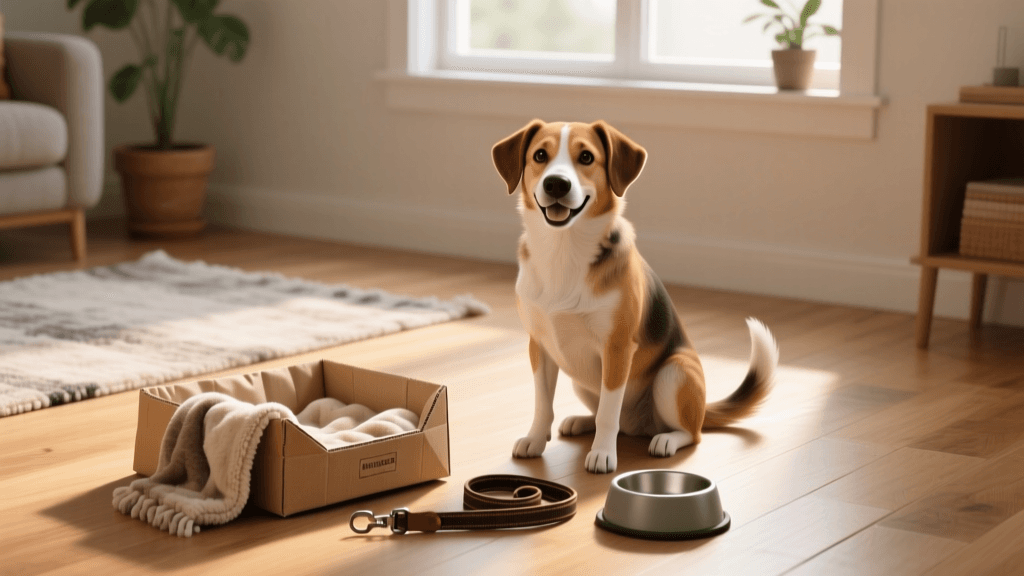
Bringing a Dog Home on a Budget
Bringing a dog into your life is a profoundly rewarding experience, but the financial reality of pet ownership can quickly turn excitement into anxiety. According to industry estimates, the first year of dog ownership is the most expensive, often catching new pet parents off guard. However, getting a dog does not require a massive bank account. With strategic planning, a willingness to embrace adoption, and a few clever DIY solutions, you can welcome a furry best friend into your home without compromising on their care or your financial stability.
In this comprehensive guide, we will explore the true costs of getting a dog on a budget, where you can safely cut corners, and where you must invest your hard-earned money to ensure a healthy, happy life for your new companion.
Adoption vs. Buying: The Ultimate Budget Decision
The single most impactful financial decision you will make when getting a dog is choosing where they come from. Purchasing a puppy from a private breeder can cost anywhere from $1,000 to over $3,500, depending on the breed's popularity and lineage. In contrast, adopting from a shelter or rescue organization typically ranges from $50 to $300.
But the adoption fee is not just a charitable donation; it is a massive budget-friendly bundle. Most reputable shelters include spaying or neutering, initial vaccinations, microchipping, and deworming in the adoption price. If you were to pay for these services out-of-pocket at a private veterinary clinic, you would easily spend $400 to $800 before the dog even enters your home.
| Expense Category | Shelter Adoption | Private Breeder |
|---|---|---|
| Acquisition Fee | $50 - $300 | $1,000 - $3,500+ |
| Spay/Neuter Surgery | Included | $200 - $500 |
| Initial Vaccines & Microchip | Included | $150 - $300 |
| Total Upfront Cost | $50 - $300 | $1,350 - $4,300+ |
Breaking Down the First-Year Costs
To budget effectively, you need to know what you are signing up for. The ASPCA estimates that the average annual cost of dog ownership ranges from $1,500 to over $2,000, but the first year often pushes closer to $3,000 due to upfront setup costs. Let us break down the realistic first-year expenses for a budget-conscious adopter:
- High-Quality Dry Food: $300 - $500 per year. Do not skimp here; cheap food leads to expensive vet bills later.
- Core Vaccines & Rabies: $100 - $200. Many shelters provide the first round, but boosters are your responsibility.
- Flea, Tick, and Heartworm Prevention: $150 - $250. Essential for avoiding life-threatening parasites.
- Basic Gear (Leash, Collar, Bowls): $50 - $100.
- Dog Licensing: $10 - $20 annually, depending on your local municipality.
- Emergency Fund Contribution: $500 minimum. Setting aside a small amount each month is crucial.
By adopting and utilizing low-cost community resources, a frugal owner can comfortably manage the first year for under $1,200, excluding any emergency medical interventions.
Essential Gear: Where to Save and Where to Splurge
Not all dog products are created equal, and knowing where to allocate your budget is a hallmark of a smart pet owner.
Where to Splurge
- Front-Clip Harness: A well-fitted, escape-proof harness (like the Ruffwear Front Range or Kurgo Tru-Fit) costs around $30-$50 but prevents tracheal damage and makes training infinitely easier.
- Nutrition: Look for foods that meet WSAVA (World Small Animal Veterinary Association) guidelines. Spending an extra $20 a month on quality kibble saves hundreds in gastrointestinal treatments.
- Crate: If crate training, buy a heavy-duty wire or plastic crate that will last a lifetime. Flimsy fabric crates are easily destroyed by anxious puppies.
Where to Save
- Food and Water Bowls: Stainless steel bowls from the dollar store or discount aisles are perfectly safe, easy to sanitize, and cost less than $5 each.
- Dog Beds: Dogs do not care about orthopedic memory foam aesthetics. A folded duvet or a raised cot frame with a replacement cover works just fine.
- Poop Bags: Buy in bulk online or use small, repurposed grocery bags (where legal and sanitary) rather than expensive branded dispensers.
DIY Dog Essentials to Slash Upfront Costs
You can easily save over $100 in your first month by making your own enrichment and comfort items. Dogs care about function and scent, not brand names.
- Fleece Tie Toys: Visit a thrift store and buy heavy fleece blankets for $3. Cut them into strips and braid them tightly. These make excellent, washable tug toys that cost pennies compared to $15 retail rope toys.
- Muffin Tin Puzzle Feeder: Place dry kibble in the cups of a standard muffin tin, then cover each cup with a tennis ball. Your dog will have to figure out how to remove the balls to get the food, providing mental stimulation for free.
- Snuffle Mat Alternative: Take an old, clean bath mat and tie strips of scrap fabric through the rubber backing. Hide treats inside for a DIY foraging game that tires out high-energy dogs.
- DIY Washable Bed: Stuff an old pillowcase or a zippered duvet cover with old clothes, towels, and blankets. It provides comfort, smells like you (which reduces separation anxiety), and can be thrown directly into the washing machine.
Budget-Friendly Veterinary Care
Medical care is the most unpredictable expense in dog ownership. While you should never compromise on necessary medical treatment, you can be smart about how you access it. The Humane Society of the United States recommends seeking out low-cost clinics, mobile vaccination vans, and municipal spay/neuter centers for routine care.
Many cities have non-profit veterinary clinics that offer core vaccines, microchipping, and basic wellness exams at 30% to 50% below the cost of private corporate practices. Furthermore, the American Veterinary Medical Association (AVMA) advises owners to discuss financial constraints openly with their vets; many clinics offer tiered treatment plans or can direct you to local veterinary charitable funds.
Pro Tip: Instead of traditional pet insurance, which can have high premiums and deny pre-existing conditions, consider opening a dedicated high-yield savings account specifically for your dog. Automate a transfer of $40 to $50 a month into this 'Pet Emergency Fund' from day one.
Hidden Costs New Owners Forget
When budgeting for a dog, new owners often calculate food and vet bills but forget the peripheral costs of integrating a dog into their human life. Be prepared for the following hidden expenses:
- Pet Deposits and Rent: If you rent, expect to pay a non-refundable pet deposit ($200-$500) and a monthly 'pet rent' ($25-$50).
- Obedience Classes: Group training classes usually cost $100 to $200 for a six-week course. While you can use free YouTube resources, professional help is invaluable for behavioral issues like reactivity or resource guarding.
- Pet Sitting and Boarding: If you travel, a kennel can cost $40-$70 per night. Budget-friendly alternatives include trading pet-sitting duties with a trusted neighbor or using community-based pet co-ops.
- Grooming: Even short-haired dogs need nail trims and ear cleanings. Learning to trim nails and express anal glands at home via instructional videos can save you $30 per monthly salon visit.
Final Thoughts on Frugal Dog Ownership
Getting a dog on a budget is entirely possible and does not mean providing a lower quality of life. By choosing adoption, utilizing community veterinary resources, and embracing DIY enrichment, you are making incredibly responsible choices. A dog's happiness is not measured by the price tag on their collar or the brand of their bed; it is measured by the time, patience, and love you invest in them. Plan your budget, build your emergency fund, and get ready to welcome your new best friend home.
priya-sutaria
All our authors care for dogs every day — read more of their work on the authors page.