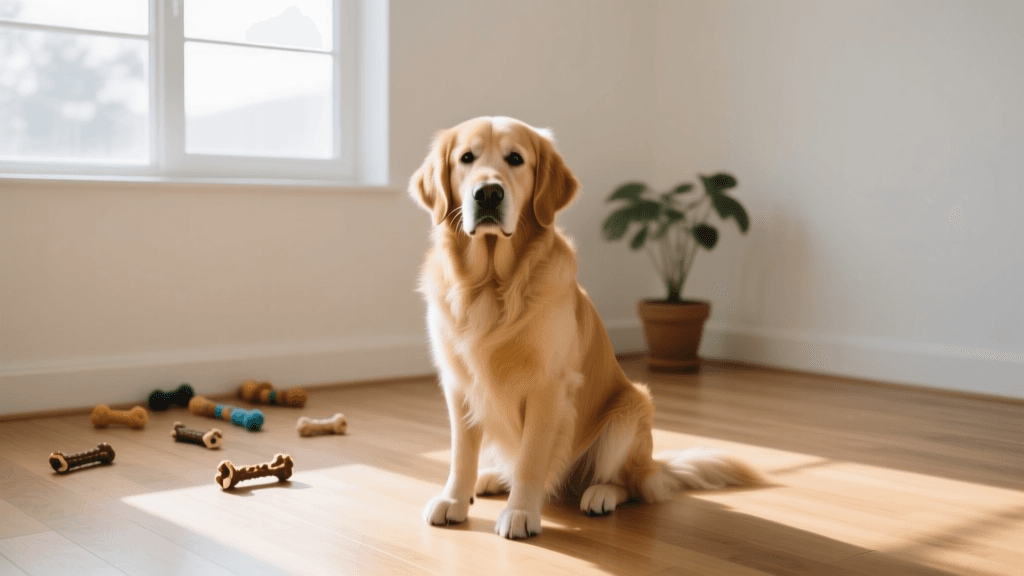
The Ultimate Room-by-Room Dog-Proofing Safety Checklist
Discover essential dog-proofing tips for every room in your house. Keep your pup safe from toxins, choking hazards, and accidents with our expert checklist.

Welcome to Dog-Proofing: Creating a Safe Haven
Bringing a new dog into your home is an incredibly exciting milestone, but it also comes with a profound responsibility to ensure their environment is safe. Whether you are bringing home an inquisitive eight-week-old puppy or adopting an adult rescue with a mischievous streak, dogs explore the world primarily through their noses and mouths. This natural curiosity can quickly lead to trouble if your living space is not properly secured.
Dog-proofing is not a one-time chore; it is an ongoing process of evaluating your home from your dog's perspective. Get down on your hands and knees to see what they see. Are there dangling cords? Dropped pills? Toxic plants within tail-swiping distance? According to the American Veterinary Medical Association (AVMA), thousands of pets are treated for household poisonings and foreign body ingestions every year, many of which are entirely preventable. This comprehensive, room-by-room guide will help you identify hidden dangers and implement practical, cost-effective solutions to keep your furry best friend safe.
The Kitchen: Navigating the Danger Zone
The kitchen is the heart of the home, but it is also a minefield of culinary toxins and physical hazards for dogs. Their scavenging instincts make countertops, trash cans, and low cabinets prime targets.
Food Toxins and Countertop Surfacing
Many common human foods are highly toxic to dogs. Xylitol (an artificial sweetener found in sugar-free gum, peanut butter, and baked goods), chocolate, grapes, raisins, onions, and garlic can cause severe medical emergencies ranging from hypoglycemia to acute kidney failure. Never leave these items unattended on countertops or low tables.
- Actionable Tip: Establish a strict 'no human food from the floor' rule. Sweep the kitchen floor daily to remove dropped crumbs that might contain toxic ingredients like onion powder or xylitol.
- Product Recommendation: If you have a 'counter-surfing' dog, invest in pet deterrent mats like the PetSafe SSSCAT Spray Deterrent (approx. $40). This motion-activated device releases a harmless burst of air to startle dogs away from restricted zones without causing them physical harm.
Securing the Trash and Lower Cabinets
A standard step-on trash can is no match for a determined Labrador. Ingesting trash can lead to choking, gastrointestinal blockages, or pancreatitis from fatty food scraps.
- Trash Cans: Upgrade to a heavy-duty, locking trash can. The simplehuman 13-Gallon Semi-Round Kitchen Step Trash Can features a lockable lid and a weighted base (approx. $80-$100). Alternatively, mount your trash can inside a cabinet or use a bungee cord to secure the lid to the handle.
- Cabinet Locks: For lower cabinets housing cleaning supplies or hazardous foods, install magnetic child locks. The Safety 1st OutSmart Flex Child Lock (approx. $25 for a multi-pack) requires a magnetic key to open, making it impossible for paws to pry doors open. Installation takes about 15 minutes per cabinet using strong adhesive backing or screws.
The Living Room: Comfort Meets Caution
The living room is where your dog will likely spend most of their downtime, but it contains hidden electrical and botanical hazards that require immediate attention.
Electrical Cords and Choking Hazards
Puppies, in particular, are prone to chewing on electrical cords due to teething discomfort. A bitten power cord can result in severe oral burns, electrocution, or even house fires.
- Cord Management: Bundle loose wires together and encase them in split-loom tubing or cord concealers. JOTO Cable Management Sleeves (approx. $15 for 10 feet) provide a physical barrier that deters chewing.
- Taste Deterrents: Apply a bitter-tasting spray like Grannick's Bitter Apple Spray (approx. $12) to baseboards and furniture legs. Reapply every two weeks, as the taste can fade. Note that some dogs are unfazed by bitter tastes, so physical barriers are always the safest primary defense.
- Small Items: Keep remote controls, children's toys, and coins elevated. A good rule of thumb is the 'four-foot rule': anything smaller than a tennis ball should be kept at least four feet off the ground.
Houseplant Safety
Many popular houseplants are highly toxic to canines. Sago palms, lilies, pothos, and monstera deliciosa can cause vomiting, liver failure, or severe oral irritation if ingested. Before bringing any new greenery into your home, consult the ASPCA Animal Poison Control database to verify its safety. Opt for dog-friendly alternatives like spider plants, Boston ferns, or calatheas, and always place plants on high shelves or in hanging planters out of your dog's reach.
The Bathroom and Laundry Room: Chemical and Medication Safety
Bathrooms and laundry rooms are small spaces packed with concentrated chemicals and medications. A single dropped pill can be fatal to a small dog.
Medication and Toiletries
Human medications, particularly NSAIDs (like ibuprofen), acetaminophen, and antidepressants, are leading causes of pet poisoning. Never leave pill bottles on the edge of the sink or counter.
- Storage: Store all medications, vitamins, and supplements in high, closed cabinets. If you use a daily pill organizer, keep it inside a drawer or medicine cabinet, never out in the open.
- Toiletries: Keep toothpaste (which often contains xylitol), mouthwash, and hair products tucked away. Dogs are often attracted to the minty or fruity scents of these products.
Toilet and Cleaning Supply Hazards
Dogs are notoriously fond of drinking from the toilet bowl. However, if you use drop-in bleach tablets or bowl cleaners, the water becomes a toxic chemical bath.
- The Toilet Lid: Make it a household rule to always keep the toilet lid closed. If you have a clever dog that learns to nudge the lid open, install a simple toilet lid lock (approx. $8) that requires a button press and slide mechanism to open.
- Laundry Detergent: Liquid laundry pods are incredibly dangerous. Their squishy texture makes them appealing to dogs, but a single puncture can cause severe chemical burns to the mouth and esophagus, or life-threatening aspiration pneumonia. Store all laundry supplies in a locked cabinet or on a shelf at least five feet high.
The Bedroom and Home Office: Quiet Hazards
While these rooms may seem like quiet retreats, they harbor unique risks related to clothing and office supplies.
Clothing and Linear Foreign Bodies
Dogs love the scent of their owners, which makes dirty laundry an irresistible target. Swallowing socks, underwear, or pantyhose is incredibly dangerous. These items act as 'linear foreign bodies' in the digestive tract, bunching up the intestines and often requiring emergency surgery that can cost between $2,000 and $5,000.
- Laundry Management: Ditch the open-top fabric laundry hampers. Invest in a hamper with a secure, locking lid or keep your laundry inside a closed closet. Never leave socks on the bedroom floor, even for a few minutes.
Home Office Supplies
If you work from home, your office supplies are within easy reach of a bored dog. Paperclips, rubber bands, pushpins, and pen caps are prime choking hazards and can cause severe internal punctures if swallowed.
- Desk Organization: Use desk organizers with enclosed drawers. Keep a small, lidded trash bin on your desk specifically for sharp or small office waste, and empty it daily. Ensure your desk chair is pushed in so your dog cannot easily jump onto the desk surface.
Comprehensive Dog-Proofing Cost and Solution Table
To help you budget and prioritize your weekend dog-proofing project, refer to the table below outlining common hazards, their solutions, and estimated costs.
| Hazard Category | Specific Risk | Dog-Proofing Solution | Estimated Cost |
|---|---|---|---|
| Kitchen | Trash scavenging & blockages | Weighted, locking trash can | $60 - $120 |
| Kitchen | Access to toxic cleaners/foods | Magnetic cabinet locks | $20 - $30 |
| Living Room | Chewed power cords & electrocution | Split-loom tubing & cord boxes | $15 - $30 |
| Living Room | Furniture chewing (teething) | Bitter apple deterrent spray | $10 - $15 |
| Bathroom | Toxic toilet water ingestion | Adhesive toilet lid lock | $8 - $12 |
| Bedroom | Swallowed socks & linear foreign bodies | Closed, locking laundry hamper | $25 - $45 |
Final Thoughts and Emergency Preparedness
No matter how thoroughly you dog-proof your home, accidents can still happen. Dogs are remarkably clever and persistent creatures. The final, and perhaps most critical, step in your home safety plan is emergency preparedness.
Veterinary Advice: 'Time is tissue when it comes to pet poisonings and blockages. Do not wait to see if your dog's symptoms resolve on their own. Immediate intervention drastically improves the prognosis and can significantly reduce emergency veterinary costs.'
Save the number for the Pet Poison Helpline (1-855-764-7661) and the ASPCA Animal Poison Control Center in your phone's contacts right now. Keep a pet first-aid kit stocked with gauze, digital thermometers, and hydrogen peroxide (to be used only under the direct instruction of a veterinarian to induce vomiting). By combining a meticulously dog-proofed environment with rapid emergency preparedness, you ensure that your home remains a sanctuary where your dog can thrive, play, and rest safely for years to come.
jonas-cole
All our authors care for dogs every day — read more of their work on the authors page.