Dog-Proofing Your Home: A Room-By-Room Safety Guide
Learn how to dog-proof your home with our room-by-room safety guide. Discover essential tips to protect your puppy from household hazards and toxic items.

Why Dog-Proofing is Non-Negotiable
Welcoming a new dog or puppy into your home is an exciting milestone, but it also brings a unique set of responsibilities. Dogs, especially puppies and newly adopted rescues, explore their environment primarily through their mouths and noses. What looks like a cozy living space to you can be an obstacle course of choking hazards, toxic substances, and electrical dangers to your furry friend. According to veterinary behaviorists, a lack of environmental management is one of the leading causes of accidental pet poisonings and emergency vet visits in the first year of a dog's life.
Dog-proofing is not just about hiding your favorite shoes; it is about creating a secure sanctuary where your dog can relax and play without constant supervision. This comprehensive, room-by-room guide will walk you through the exact steps, products, and strategies needed to transform your house into a safe, stress-free environment for your canine companion.
The Kitchen: Securing the Most Dangerous Room
The kitchen is arguably the most hazardous room in your house for a dog. Between dropped food, accessible trash, and toxic cleaning supplies, the culinary heart of your home requires strict security measures.
Managing the Trash and Recycling
Dogs are natural scavengers, and the scent of leftover food can easily entice them to knock over a garbage bin. Ingesting cooked bones, fatty scraps, or moldy food can lead to life-threatening conditions like pancreatitis or intestinal blockages. Invest in a heavy-duty, lock-top trash can. The Simplehuman Dual Compartment Trash Can features a secure latch that is easy for humans to operate but virtually impossible for a dog to nudge open. Alternatively, install a pull-out trash bin inside a lower cabinet and secure the cabinet door with a magnetic childproof lock.
Food Storage and Toxic Ingredients
Many common human foods are highly toxic to dogs. Grapes and raisins can cause acute kidney failure, while onions and garlic can lead to hemolytic anemia. Furthermore, xylitol—an artificial sweetener found in sugar-free gum, peanut butter, and baked goods—is exceptionally dangerous, causing rapid hypoglycemia and liver failure. The American Kennel Club (AKC) strongly advises keeping all human food out of reach and educating every family member about these hidden dangers. Store all snacks, bread, and produce in upper cabinets or inside a dog-proof pantry.
Chemicals and Cleaning Supplies
Keep all household cleaners, dish soaps, and detergents in upper cabinets. If you must store them under the sink, use heavy-duty sliding door locks or magnetic safety latches. Avoid leaving soaking solutions or bleach buckets on the floor, even for a few minutes, as a curious puppy might take a sip.
The Living Room: Managing Cords, Plants, and Choking Hazards
The living room is where you and your dog will spend most of your downtime. However, the abundance of electronics, decorative items, and houseplants requires careful auditing.
Electrical Cord Management
Chewing on electrical cords can result in severe oral burns, electrocution, or even fatal cardiac arrhythmias. Puppies going through the teething phase (typically between 3 and 6 months of age) are especially prone to biting into wires. Use cord concealers, such as the Kootek Cord Management Kit, to bundle and hide loose wires behind furniture. For cords that must remain exposed, apply a pet-safe deterrent spray like Bitter Yuck! No Chew Spray to make the wires taste incredibly unpleasant. Always unplug unnecessary electronics when you leave the house.
Auditing Your Houseplants
Many popular indoor plants are highly toxic to dogs if ingested. Sago palms, peace lilies, pothos, and philodendrons can cause symptoms ranging from severe oral irritation and vomiting to acute liver failure and death. Before bringing any new greenery into your home, cross-reference it with the ASPCA's comprehensive toxic and non-toxic plants database. Safe alternatives include spider plants, Boston ferns, and parlor palms. If you own toxic plants, place them on high, inaccessible shelves or in a closed-off sunroom.
Eliminating Choking Hazards
Get down on your hands and knees to view the living room from your dog's perspective. Look for dropped coins, hair ties, children's toys, TV remote batteries, and small decorative items. Store remotes in drawers, keep shoes in closed closets, and use a basket with a lid for children's small toys to prevent your dog from swallowing them and requiring surgical removal.
The Bathroom and Laundry Room: Hidden Toxins
Bathrooms and laundry rooms are often overlooked during the dog-proofing process, yet they contain concentrated hazards.
Medications and Personal Care
Never leave medications, vitamins, or supplements on the bathroom counter. Dogs can easily chew through plastic pill bottles. Store all human and veterinary medications in a high, latched medicine cabinet. Similarly, keep toothpaste (which often contains xylitol), mouthwash, and hair products out of reach.
Toilet Safety and Laundry Pods
Always keep the toilet lid closed. Dogs may drink from the toilet bowl, exposing themselves to harmful bacteria, or worse, ingest toxic toilet bowl cleaning tablets that are often placed in the tank or bowl. In the laundry room, store all detergents, fabric softeners, and especially laundry pods in sealed, elevated cabinets. The Pet Poison Helpline frequently reports emergency cases involving dogs ingesting concentrated laundry pods, which can cause severe gastrointestinal and respiratory distress.
Flooring and Furniture: Choosing Dog-Friendly Materials
When designing or updating your home environment, choosing the right materials can save you time, money, and frustration.
- Flooring: Solid hardwood floors are easily scratched by dog claws and can be slippery, leading to joint issues. Opt for Luxury Vinyl Tile (LVT) or textured ceramic tile. LVT is 100% waterproof, highly scratch-resistant, and provides better traction for your dog's paws.
- Rugs: Avoid expensive, high-pile rugs that trap hair and absorb accidents. Invest in washable rugs, such as those from Ruggable, which feature a two-piece system that allows you to toss the top layer directly into the washing machine.
- Furniture Fabrics: Choose tightly woven fabrics like microfiber, canvas, or performance velvet (such as Crypton fabric). These materials resist claw snags, repel moisture, and are incredibly easy to wipe clean.
Quick Reference: Common Household Hazards and Safe Swaps
Use the table below as a quick checklist to identify and replace common household dangers.
| Hazard Category | Specific Danger | Risk Level | Safe Alternative / Solution |
|---|---|---|---|
| Kitchen | Xylitol, Grapes, Onions | Critical | Dog-safe treats; store human food in upper cabinets |
| Houseplants | Sago Palm, Peace Lily | High | Spider Plant, Boston Fern, Calathea |
| Electronics | Exposed Power Cords | High | Cord concealers; bitter apple spray deterrent |
| Cleaning | Bleach, Laundry Pods | Critical | Pet-safe enzymatic cleaners; high latched cabinets |
| Trash | Open Garbage Bins | Moderate | Lock-top trash cans; pull-out cabinet bins |
Setting Up a Safe Puppy Playpen
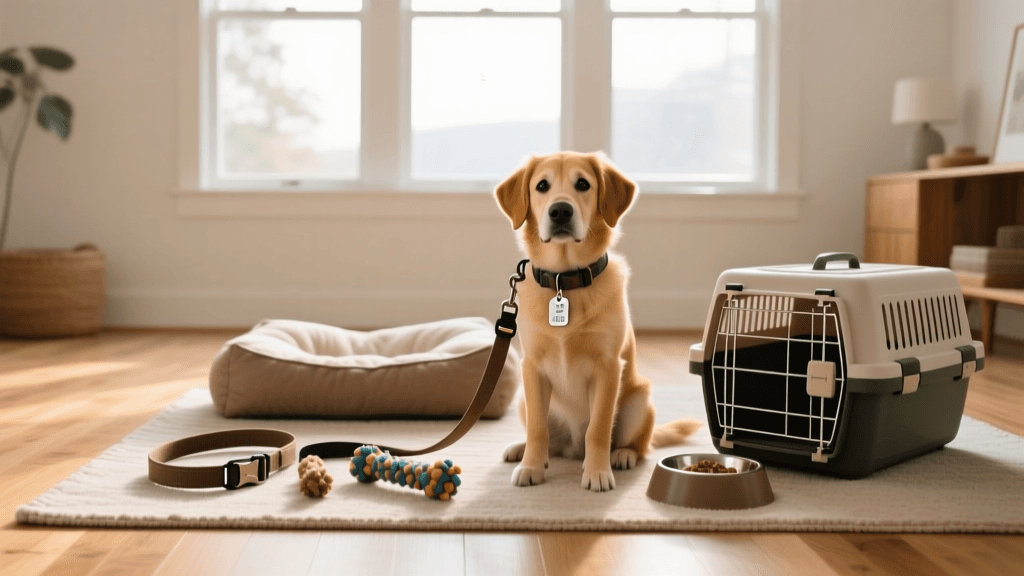
Even in a fully dog-proofed home, you cannot supervise your dog 24/7. Setting up a designated 'safe zone' or puppy playpen is crucial for times when you are cooking, working, or sleeping. A heavy-duty metal exercise pen, combined with a comfortable crate, provides a secure boundary. Inside the pen, provide a waterproof bed, a bowl of fresh water, and durable chew toys like the KONG Classic stuffed with frozen peanut butter (xylitol-free). This not only keeps your dog safe from household hazards but also aids in crate training and prevents separation anxiety by teaching them how to self-soothe in a confined, positive space.
Conclusion
Dog-proofing your home is an ongoing process that evolves as your dog grows from a clumsy puppy into an adult. By taking proactive steps to secure the kitchen, manage electrical cords, remove toxic plants, and choose dog-friendly furnishings, you are setting the stage for a harmonious life together. Remember, a safe environment reduces stress for both you and your pet, allowing you to focus on what truly matters: building a lifelong bond filled with love, training, and happy memories.
priya-sutaria
All our authors care for dogs every day — read more of their work on the authors page.