The Ultimate Guide to Road Tripping With a Senior Dog
Discover how to safely road trip with a senior dog. Learn about essential gear, rest stop timing, joint care, and temperature control for aging pets.

Why Road Trips Are Ideal for Senior Dogs
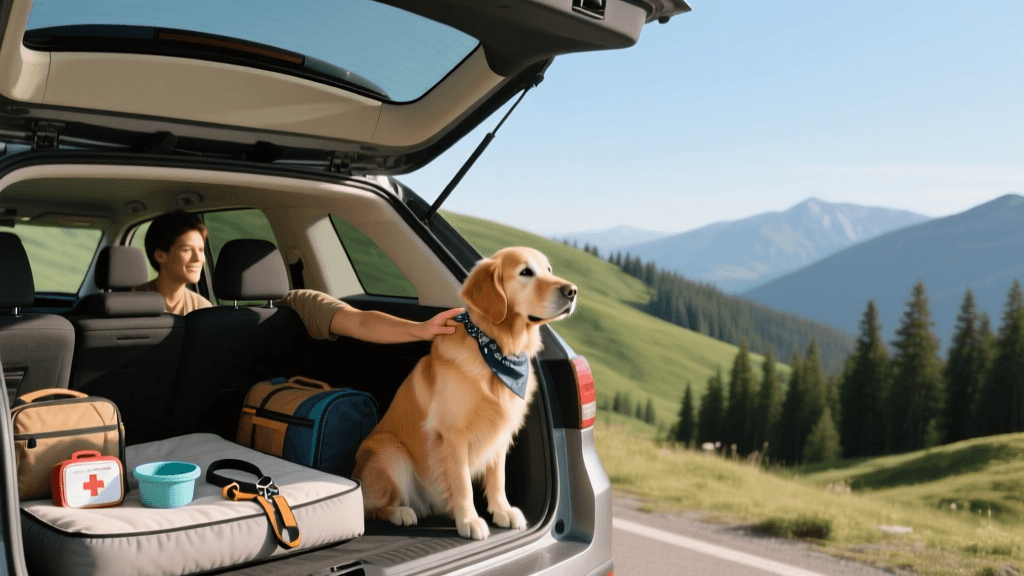
As our canine companions enter their golden years, their thirst for adventure doesn't necessarily fade, even if their physical capabilities change. While flying with a senior dog can induce severe anxiety and expose them to stressful cargo environments, road tripping offers unparalleled control over their comfort, schedule, and environment. A well-planned road trip allows you to manage your aging dog's joint pain, bathroom breaks, and hydration needs without the rigid constraints of airline travel. By taking the wheel, you transform a potentially stressful journey into a bonding experience tailored entirely to your senior dog's unique pace and medical requirements.
Pre-Trip Veterinary Preparation
Before loading up the SUV, schedule a comprehensive wellness exam with your veterinarian at least three weeks prior to departure. This timeframe allows for any necessary medication adjustments and ensures your dog is physically cleared for extended travel. Discuss your dog's specific mobility issues; your vet may prescribe a non-steroidal anti-inflammatory drug (NSAID) like Carprofen for joint stiffness, or an anti-nausea medication like Cerenia if your dog is prone to motion sickness, which can worsen with age.
Additionally, ensure all vaccinations are up to date and request a physical or digital copy of your dog's medical records. If your road trip involves crossing state lines, be aware that some states and lodging facilities require a recent Certificate of Veterinary Inspection (CVI). Always consult the USDA APHIS Pet Travel guidelines to understand the specific health documentation required for your destination state, as regulations regarding rabies certificates and health timelines can vary significantly across borders.
Essential Gear for the Aging Adventurer
Traveling with a senior dog requires specialized gear designed to minimize joint strain and maximize comfort. Standard travel accessories often fall short for dogs with arthritis, hip dysplasia, or general muscle atrophy. Below is a comparison chart of essential gear tailored for senior canine travelers.
| Gear Item | Purpose | Recommended Specs for Seniors | Estimated Cost |
|---|---|---|---|
| Orthopedic Car Bed | Provides joint support and prevents sliding during transit. | Minimum 4 inches of high-density orthopedic foam; non-slip base; waterproof liner. | $120 - $250 |
| Folding Pet Ramp | Eliminates the need for jumping into high SUVs or truck beds. | Bi-fold or tri-fold design; minimum 18-inch width; high-traction grip; supports up to 200 lbs. | $60 - $130 |
| Support Harness | Assists with lifting and stabilizing the dog during rest stops. | Padded chest and belly support; dual-handle design for even weight distribution. | $70 - $110 |
| Elevated Travel Bowls | Reduces neck strain and aids in digestion during meals. | Adjustable height (4 to 12 inches); silicone non-slip mat base. | $25 - $45 |
Investing in a high-quality support harness, such as the Ruffwear Web Master, is particularly crucial. As dogs age, their hind legs often weaken, making it difficult for them to navigate uneven terrain at rest stops or climb into the vehicle. A dual-handle harness allows you to gently lift and support their hindquarters without causing pain or injury.
Route Planning and the 90-Minute Rule
When traveling with a young, energetic dog, you might push for six hours of driving before stopping. With a senior dog, this is a recipe for severe stiffness and discomfort. Adopt the 90-Minute Rule: plan to stop every 90 minutes for a 10 to 15-minute break. These micro-breaks allow your dog to stretch their legs, hydrate, and relieve themselves without becoming overly fatigued.
When mapping your route, prioritize rest stops with shaded, grassy areas rather than scorching asphalt. If your adventure includes hiking or exploring nature reserves, familiarize yourself with local pet policies. Many federal lands have strict rules to protect both wildlife and your pet. For instance, adhering to the National Park Service BARK Ranger program ensures you understand leash laws, waste disposal, and trail restrictions, keeping your senior dog safe from wildlife encounters and preventing them from overexerting on unapproved trails.
Hydration Strategy on the Road
Senior dogs are highly susceptible to dehydration, which can rapidly exacerbate kidney issues and cognitive dysfunction. Do not rely solely on a water bowl in the backseat, as it can easily spill and cause anxiety. Instead, offer small amounts of water (about 4 to 8 ounces) during every 90-minute stop. If your dog is reluctant to drink, bring a low-sodium bone broth to entice them, or use a portable dog water bottle with a built-in trough for easy lapping.
Temperature Control and Heat Safety
Aging dogs have a diminished ability to regulate their body temperature, making them incredibly vulnerable to heatstroke, even on mildly warm days. The interior of a parked car can reach lethal temperatures within minutes, regardless of whether the windows are cracked. The FDA guidelines on hot weather pet safety explicitly warn that leaving a pet in a parked vehicle is extremely dangerous and can result in fatal hyperthermia.
To maintain a safe environment in the car:
- Pre-cool the vehicle: Run the air conditioning for 5 to 10 minutes before bringing your dog inside.
- Use sunshades: Apply UV-blocking window shades on the rear windows to prevent direct sunlight from heating up your dog's orthopedic bed.
- Invest in a cooling mat: Pressure-activated cooling mats (like the Arf Pets Self-Cooling Mat) can draw heat away from your dog's body without requiring electricity or refrigeration.
- Monitor panting: Excessive, harsh panting or a dark red tongue are early signs of heat stress. If observed, pull over immediately, offer cool (not ice-cold) water, and apply damp towels to their paw pads and belly.
Managing Mobility and Comfort at the Hotel
The transition from the car to a hotel room can be disorienting and physically taxing for an older dog. When booking accommodations, always request a ground-floor room to avoid stairs and minimize the distance your dog must walk to reach the outdoor relief areas. Upon entering the room, immediately set up their familiar orthopedic bed and place an unwashed t-shirt with your scent on it to reduce environmental anxiety.
Pro Tip: Bring a familiar, non-slip rug or interlocking foam floor tiles to place over slippery hotel hardwood or tile floors. Senior dogs often lack the paw traction to navigate slick surfaces, which can lead to dangerous splaying and hip injuries.
Evening Joint Care Routine
After a long day of travel, your dog's joints will likely be inflamed. Dedicate 10 to 15 minutes each evening to a gentle massage. Focus on the large muscle groups of the shoulders, hips, and thighs, using slow, circular motions to promote blood flow. You can also apply a pet-safe CBD balm or a warm (not hot) compress to stiff joints for 5 minutes to provide soothing relief before bedtime.
Emergency Preparedness
Despite the best planning, medical emergencies can occur. Before leaving home, identify 24-hour emergency veterinary clinics along your route and at your final destination. Save their addresses and phone numbers in your GPS and phone contacts. Pack a dedicated canine first-aid kit that includes vet wrap, hydrogen peroxide (for inducing vomiting only under direct veterinary instruction), tweezers, and a digital rectal thermometer. Knowing you are prepared allows you to remain calm, which in turn keeps your senior dog relaxed and reassured.
Conclusion
Road tripping with a senior dog requires a shift in mindset from reaching a destination quickly to embracing the journey itself. By investing in supportive gear, adhering to a strict rest-stop schedule, and prioritizing temperature and joint management, you can provide your aging companion with the joy of travel. The golden years should be filled with new scents, gentle breezes, and the comforting presence of their favorite human, proving that adventure truly has no age limit.
jonas-cole
All our authors care for dogs every day — read more of their work on the authors page.