5 Road Trip Mistakes To Avoid When Traveling With Your Dog
Planning a road trip with your dog? Avoid these 5 common car travel mistakes to ensure a safe, stress-free, and enjoyable journey for your pup.
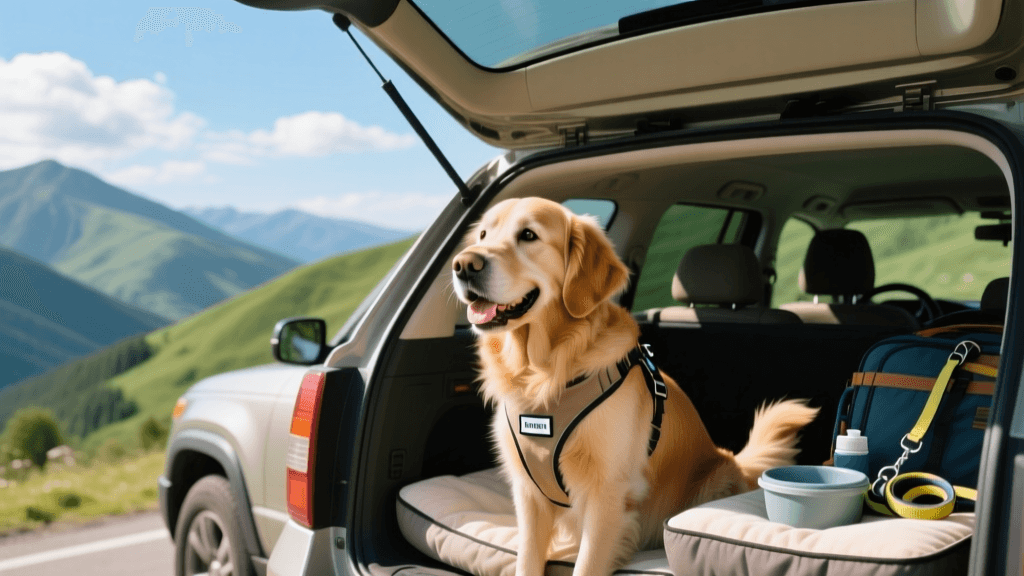
The Open Road Awaits: Traveling Safely With Your Dog
Embarking on a cross-country road trip or a scenic weekend getaway with your canine companion is one of life’s greatest joys. The wind in their fur, the myriad of new scents, and the shared adventure create unforgettable memories. However, traveling with a dog requires significantly more preparation than packing a suitcase and hitting the highway. Many well-meaning pet owners inadvertently put their dogs at risk by overlooking critical safety protocols and comfort measures.
According to the American Veterinary Medical Association (AVMA), proper preparation and secure restraint are the cornerstones of safe pet travel. Whether you are driving three hours to a cabin or three days across the country, avoiding common pitfalls is essential. Here are five major road trip mistakes dog owners make and the actionable steps you must take to correct them.
Mistake 1: Relying on Unverified Restraints and Carriers
One of the most dangerous mistakes owners make is assuming that any harness or plastic carrier will protect their dog in the event of a collision. Many products labeled as 'travel harnesses' are merely designed to prevent the dog from wandering around the car, not to withstand crash forces. In a collision at just 30 mph, an unrestrained 60-pound dog becomes a projectile weighing over 1,800 pounds, posing a lethal threat to both the pet and the human passengers.
The Fix: Invest in crash-test-certified equipment. The independent Center for Pet Safety conducts rigorous crash testing on pet travel products. Look for their certification seal when shopping.
- For Harnesses: The Sleepypod Clickit Sport (approx. $80 to $90) and the Kurgo Tru-Fit Smart Harness with Crash Tested rating (approx. $45) are excellent, verified options that distribute crash forces across the dog's chest and shoulders.
- For Crates: If your dog prefers an enclosure, opt for a crash-tested kennel like the Gunner Kennels G1 (starting around $550) or the Ruff Land Performance Kennel (approx. $350). While expensive, these rotomolded kennels are engineered to maintain their structural integrity during severe impacts.
Always secure crates using heavy-duty ratchet straps tied down to the vehicle's factory-installed tie-down anchors, rather than relying on bungee cords or standard seatbelts, which can snap under extreme tension.
Mistake 2: Allowing Front Seat or Lap Riding
It might look adorable on social media, but letting your dog ride in the front passenger seat or perch on your lap while driving is incredibly hazardous. Modern vehicles are equipped with front airbags designed to deploy at speeds of up to 200 mph, generating between 2,000 and 3,000 pounds of force. This force is calibrated to save a 165-pound human adult wearing a seatbelt, but it can be fatal to a dog of any size.
Furthermore, a dog on your lap is a severe distraction. Taking your eyes off the road for just two seconds to pet or restrain your dog doubles your risk of a crash.
The Fix: The back seat or the cargo area of an SUV is the only safe place for your dog to ride. If you are driving a pickup truck, never let your dog ride in the open bed; this is illegal in many states and frequently results in dogs being ejected or suffering severe road rash and debris injuries. Use a backseat hammock cover (like the Kurgo Backseat Bridge, approx. $60) to protect your upholstery from claws and mud while creating a secure, contained zone for your pet.
Mistake 3: Inconsistent Hydration and Potty Break Schedules
Many owners try to power through long drives, stopping only when they need gas or food, completely ignoring their dog's biological needs. Dogs cannot regulate their body temperature as efficiently as humans, and prolonged confinement without water can quickly lead to dehydration, urinary tract infections, and severe anxiety.
The Fix: Implement a strict schedule. Plan to stop every 2 to 3 hours for a minimum of 15 minutes. During these breaks, allow your dog to relieve themselves, stretch their legs, and hydrate.
Pro Tip: Bring a familiar jug of water from home. Sudden changes in water mineral content can cause gastrointestinal upset and diarrhea in sensitive dogs. Transition them to local water slowly by mixing it with your home water over a few days if you are staying at a destination for a week or more.
Offer 4 to 8 ounces of water per break, depending on your dog's size. Carry a collapsible, leak-proof bowl like the Ruffwear Quencher Cinch Top ($15) or the Kurgo Zippy Bowl ($12) for easy hydration on the go. Never let your dog drink from stagnant puddles at rest stops, as these are breeding grounds for Leptospirosis and Giardia.
Mistake 4: The 'Just Five Minutes' Parked Car Myth
Perhaps the most fatal mistake a dog owner can make is leaving their pet in a parked car 'just for a minute' while running into a store or grabbing a coffee. Cars act like greenhouses, trapping solar radiation and rapidly escalating the interior temperature, even on mildly warm days or when parked in the shade with the windows cracked.
According to the AVMA heat safety guidelines, cracking the windows has a negligible effect on cooling the vehicle. Dogs cool themselves primarily by panting, but in a hot, humid car, panting only circulates hot air, leading to rapid heatstroke, organ failure, and death.
Parked Car Temperature Escalation Chart
The following table illustrates how quickly a parked car becomes a lethal environment for a dog:
| Outside Temperature | After 10 Minutes | After 30 Minutes | After 60 Minutes |
|---|---|---|---|
| 70°F | 89°F | 104°F | 125°F |
| 80°F | 99°F | 114°F | 136°F |
| 90°F | 109°F | 124°F | 149°F |
The Fix: Adopt a zero-tolerance policy for leaving your dog in a parked car. If you are traveling solo and need to make a stop where dogs are not permitted, utilize drive-thrus, order ahead for curbside pickup, or travel with a companion who can stay in the vehicle with the engine running and the air conditioning blasting. If your vehicle has a 'Dog Mode' (like certain Tesla or Rivian models), ensure you understand its battery requirements and limitations before relying on it.
Mistake 5: Forgetting a Dedicated Canine First-Aid and Travel Kit
Many owners pack their own toiletries and medications but assume they can 'figure it out' if their dog gets sick or injured on the road. Rural hiking trails and remote campgrounds are often hours away from the nearest emergency veterinary clinic. Arriving without basic supplies can turn a minor mishap into a life-threatening emergency.
The Fix: Build a dedicated canine travel kit and keep it in an easily accessible, waterproof bag. Your kit should include:
- Styptic Powder: Products like Kwik Stop (approx. $8) are essential for stopping bleeding if your dog tears a dewclaw or cracks a nail on rocky terrain.
- Vet Wrap and Gauze: Self-adhering bandage wrap ($5) allows you to stabilize a sprain or wrap a paw pad laceration temporarily.
- Saline Eye Wash: Crucial for flushing out dust, seeds, or debris after hiking through brush.
- Tick Remover and Preventative: Fine-pointed tweezers or a specialized tool like the Tick Tornado ($6), alongside up-to-date flea and tick prevention.
- Digital Copies of Medical Records: Save your dog's vaccination history (especially Rabies), microchip number, and your home vet's contact info on your phone, and carry a printed copy in the glovebox. Many campgrounds and emergency clinics require proof of rabies vaccination upon entry.
- Extra Leash and Collar: Backup gear is vital in case your primary leash snaps or your dog slips their collar in an unfamiliar environment.
Final Thoughts on Canine Road Trips
Traveling with your dog is a privilege that demands responsibility, foresight, and a commitment to their physical safety. By avoiding these five common mistakes—upgrading to crash-tested restraints, enforcing backseat riding, maintaining strict hydration schedules, never leaving them in parked cars, and packing a comprehensive first-aid kit—you transform a potentially stressful ordeal into a seamless adventure. Remember, a successful road trip isn't just about the destination; it is about ensuring your best friend arrives safely, happily, and ready to explore.
tom-renshaw
All our authors care for dogs every day — read more of their work on the authors page.