Living With a Retired Racing Greyhound: Daily Routines & Care
Discover how to transition a retired racing Greyhound into your home. Learn daily routines, travel tips, and essential gear for these gentle couch potatoes.
The Great Transition: From Track to Living Room
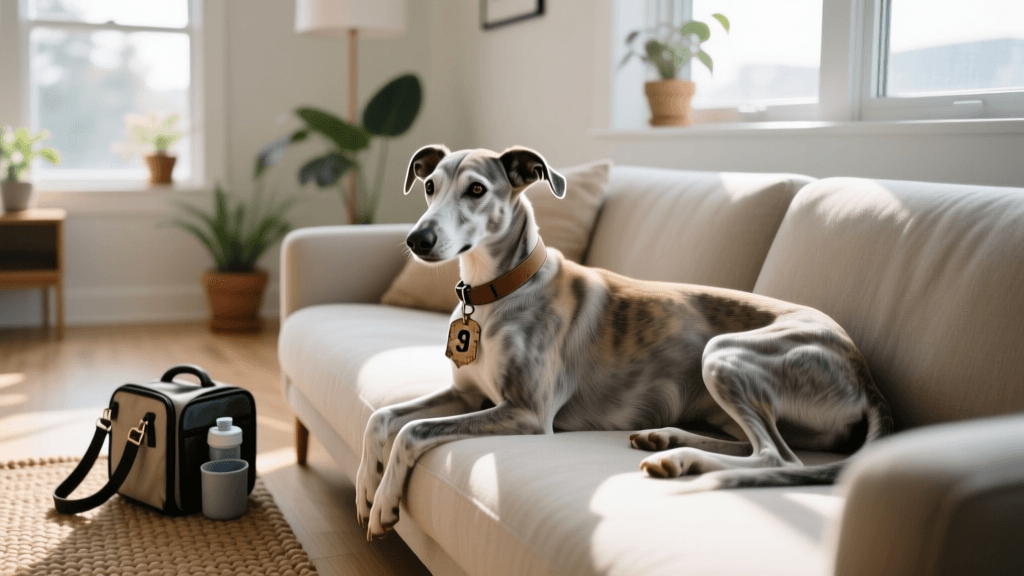
Adopting a retired racing Greyhound is a uniquely rewarding experience. These gentle, affectionate dogs have spent their entire lives in a highly structured kennel environment, and transitioning to a typical household requires patience and specific adjustments. According to the American Kennel Club, Greyhounds are renowned for their sweet, mild-mannered temperament, but their lack of exposure to everyday household items can make the first few weeks challenging.
Many retired racers have never encountered stairs, glass doors, or slippery hardwood floors. To prevent injuries, place non-slip rugs or yoga mats over slick tile and wood floors. Use painter's tape to create a large, visible 'X' on sliding glass doors so your dog doesn't accidentally run through the glass. When introducing stairs, stand beside your hound, support their chest and hindquarters gently, and use high-value treats to encourage them one step at a time. Never rush this process; it can take several weeks for a Greyhound to confidently navigate a flight of stairs.
Structuring the Daily Routine
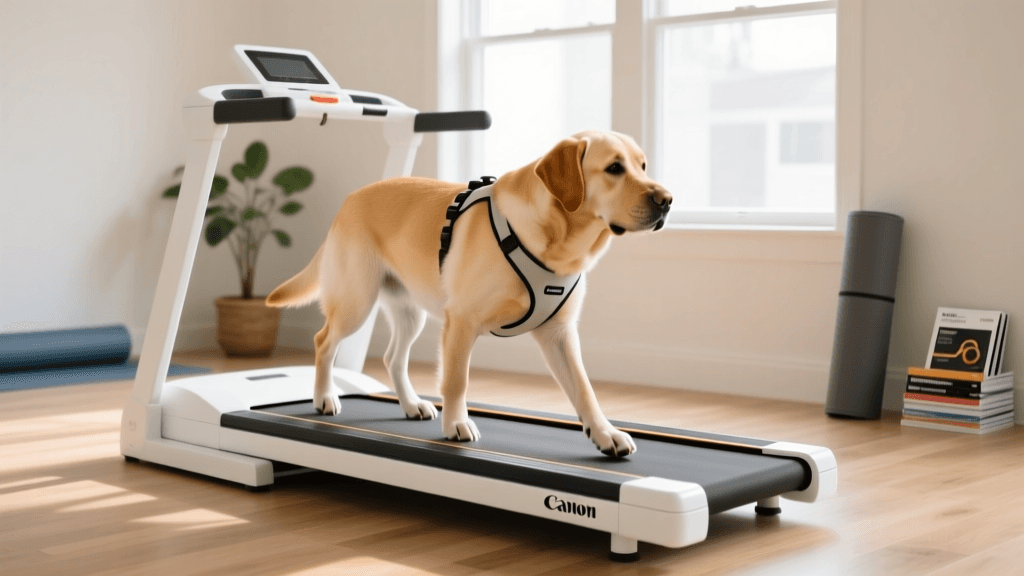
Despite their reputation as elite athletes, Greyhounds are famously known as '45-mph couch potatoes.' They are sprinters, not marathon runners, and their daily exercise needs are surprisingly manageable. A well-structured routine helps them feel secure in their new environment.
- 7:00 AM - Morning Potty & Stretch: Greyhounds are not accustomed to 'holding it' for long periods, as they were turned out multiple times a day at the track. Take them out on a leash immediately upon waking.
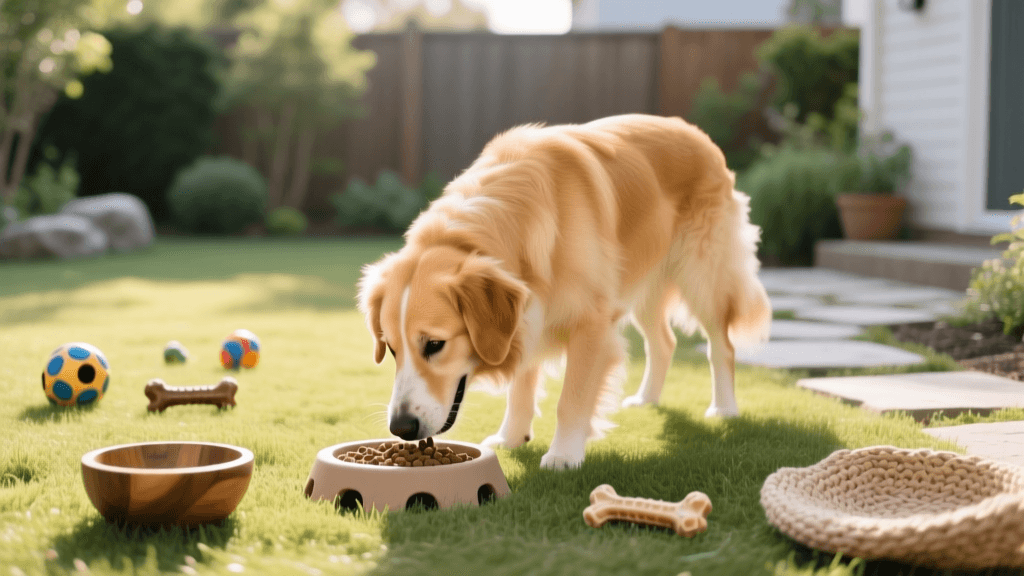
- 7:30 AM - Breakfast: Serve a high-quality, large-breed adult kibble. Keep mealtime calm and enforce a 30-minute rest period afterward to prevent bloat.
- 12:00 PM - Midday Sniffari: A 20-minute leisurely walk. Allow them to sniff; mental stimulation tires a Greyhound out just as much as physical exercise.
- 5:30 PM - Evening Sprint & Potty: Visit a fully fenced, secure dog park or use a long-line (15-30 feet) in an enclosed area to let them stretch their legs with a few short sprints.
- 8:00 PM - Dinner & Couch Time: Followed by the famous 'Greyhound burrito' phase, where they will happily burrow under fleece blankets for the night.
Essential Gear and Home Setup
Because Greyhounds have a unique physiology—deep chests, long snouts, and very little body fat—they require specialized gear. Standard dog beds and collars often do not fit or function correctly for this breed. Below is a breakdown of the essential items you will need to budget for when bringing your hound home.
| Item | Purpose | Recommended Brand/Spec | Estimated Cost |
|---|---|---|---|
| Orthopedic Bed | Prevents pressure sores on bony prominences | Big Barker 7-inch Orthopedic Bed (Large) | $250 - $300 |
| Martingale Collar | Prevents escape; standard collars slip off their narrow heads | Houndstooth Martingale (2-inch width) | $15 - $25 |
| Winter Fleece Coat | Provides warmth due to lack of insulating body fat | Chilly Dog Fleece Coat or Greyhound-specific snood | $30 - $50 |
| Basket Muzzle | Safe introductions to small animals; prevents scavenging on walks | Baskerville Ultra Muzzle (Size 4 or 5) | $20 - $25 |
| Raised Feeder | Reduces neck strain and aids digestion | Adjustable stand set to 12-16 inches high | $35 - $60 |
Traveling with a Greyhound
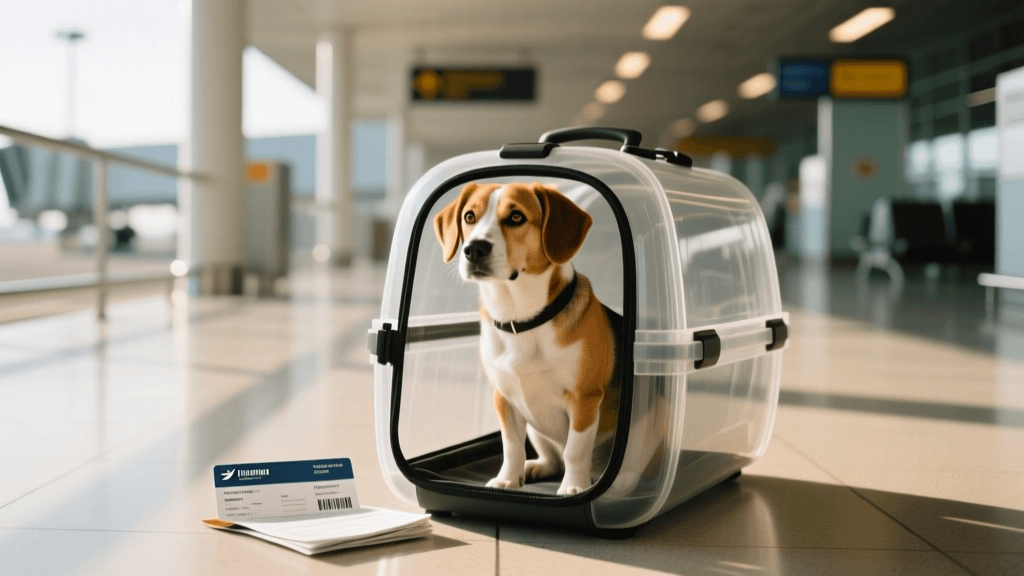
Greyhounds generally make excellent travel companions because they are accustomed to spending time in crates and sleeping for long stretches. When traveling by car, a crash-tested crate (such as those from Impact Dog Crates or Proline) is the safest option. If a crate is not feasible, use a certified dog seat belt harness, like the Kurgo Tru-Fit Smart Harness, which has been dynamically crash-tested.
When booking hotels, always call ahead. While many major chains are pet-friendly, some have breed or weight restrictions that can inadvertently affect large, deep-chested breeds. Bring their familiar fleece blankets from home to create a 'safe zone' in the hotel room, which will significantly reduce travel anxiety.
Multi-Pet Households and Prey Drive Management
One of the most critical aspects of Greyhound adoption is managing their prey drive. Bred to chase moving objects, some retired racers will view cats, rabbits, or small dogs as prey. Reputable adoption groups, such as those affiliated with Greyhound Pets of America, conduct rigorous 'cat testing' and 'small dog testing' before clearing a dog for a multi-pet home.
Even if your Greyhound is deemed 'cat-tolerant,' you must manage the environment. Keep your Greyhound muzzled and on a leash during the first few weeks of introductions. Never leave a Greyhound unsupervised with a small pet until you are 100% confident in their behavior, and even then, crate the Greyhound when you leave the house. Teach your dog the 'leave it' command using high-value treats, and always reward calm, disengaged behavior around smaller animals.
Unique Health Considerations
Greyhounds are generally a robust and healthy breed, but their unique anatomy requires specific veterinary awareness. The most pressing emergency risk is Gastric Dilatation-Volvulus (GDV), commonly known as bloat. Because of their deep chests, gas can become trapped, causing the stomach to twist. The American Kennel Club notes that bloat is a life-threatening emergency requiring immediate surgery. To mitigate this risk, feed your Greyhound using a raised bowl, divide their daily food into two or three smaller meals, and strictly prohibit vigorous exercise for at least one hour before and after eating.
Additionally, Greyhounds metabolize anesthesia differently than other breeds due to their low body fat and unique liver enzyme profiles. Always ensure your veterinarian is experienced with sighthounds. Certain barbiturate-based anesthetics can cause prolonged, dangerous recovery times in Greyhounds; modern protocols using propofol and inhalant gases are much safer.
'Adopting a retired racer is not just about giving a dog a home; it is about learning a new language of subtle ear flicks, teeth chatters (a sign of happiness, not aggression!), and deep, contented sighs as they finally realize they are safe.'
Living with a retired racing Greyhound is a masterclass in patience and empathy. By providing a structured routine, breed-appropriate gear, and a safe environment, you will unlock the profound loyalty and quiet companionship that makes this breed so beloved by hound enthusiasts worldwide.
marcus-aldridge
All our authors care for dogs every day — read more of their work on the authors page.