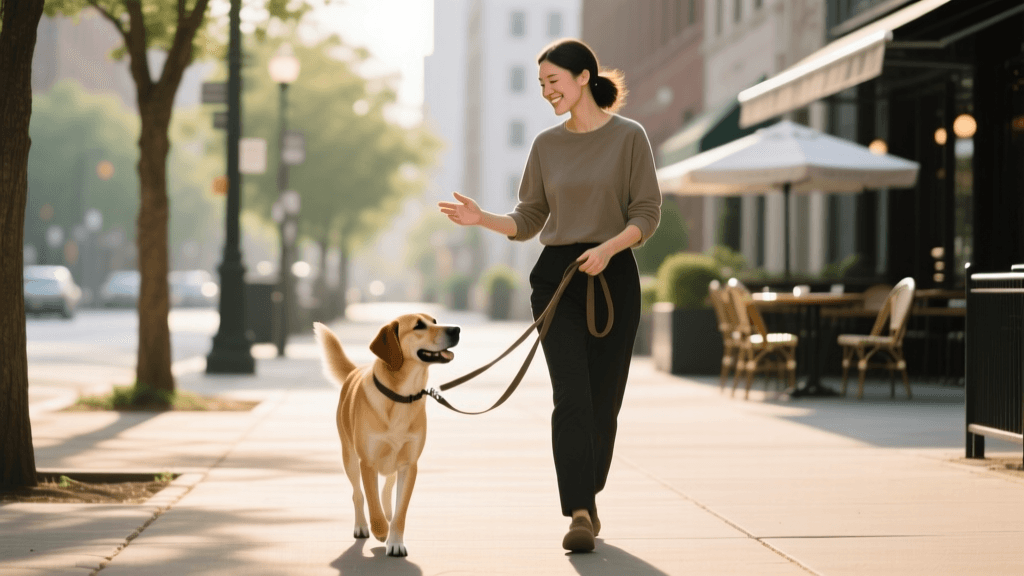
Training Your Rescue Dog: The Three-Three-Three Rule
Learn how to train your newly adopted rescue dog using the 3-3-3 rule. Discover decompression tips, foundational obedience, and trust-building exercises.
The Journey Begins: Understanding Your Rescue Dog
Bringing a rescue dog into your home is one of the most profoundly rewarding experiences a dog lover can have. When you adopt, you are not just gaining a pet; you are offering a second chance at life to an animal that has likely experienced trauma, neglect, or the immense stress of a shelter environment. However, many well-meaning adopters make a critical mistake in those first few days: they dive straight into rigorous obedience training. While teaching a 'sit' or 'stay' is important, a rescue dog's brain is often too overwhelmed by environmental changes to process complex commands. Before you can train, you must decompress.
In the rescue community, we rely heavily on a framework known as the 3-3-3 Rule. This timeline provides a realistic expectation of a shelter dog's emotional and behavioral adjustment period. By aligning your training strategy with this timeline, you build a foundation of trust that makes all future obedience work significantly easier and more reliable.
The 3-3-3 Rule of Rescue Dog Decompression
Developed by animal behaviorists and seasoned rescue volunteers, the 3-3-3 rule outlines the general phases a rescue dog goes through when transitioning to a new home. Understanding these phases is critical for knowing when to introduce specific training protocols.
Phase 1: The First 3 Days (Overwhelm and Decompression)
During the first 72 hours, your new dog is likely to feel overwhelmed, scared, and unsure of their surroundings. They may hide, refuse to eat, or sleep excessively. Training Focus: Zero formal obedience. The only goal is to make the dog feel safe. Allow them to explore at their own pace and avoid forcing interactions or introducing them to a parade of neighbors.
Phase 2: The First 3 Weeks (Settling In and Routine)
By week three, the dog is beginning to understand that this new place might be permanent. Their true personality starts to peek through, and they may begin testing boundaries or exhibiting minor behavioral quirks. Training Focus: Establishing a predictable daily routine, introducing foundational positive reinforcement games, and setting gentle household boundaries.
Phase 3: The First 3 Months (Building Trust and Security)
At the three-month mark, a rescue dog typically feels secure enough to show their complete, authentic self. They have formed a bond with you and understand the household rhythm. Training Focus: Formal obedience training, addressing specific behavioral hurdles like leash reactivity or resource guarding, and advanced socialization.
Setting Up a Decompression Zone
Before your rescue dog even steps through the front door, prepare a 'decompression zone.' This is a quiet, low-traffic area of your home (like a spare bedroom or a quiet corner of the living room) where the dog can retreat when overwhelmed. Outfitting this zone with the right tools can reduce canine cortisol levels significantly.
- Adaptil Calm Home Diffuser (approx. $25): This device releases synthetic dog-appeasing pheromones that mimic those produced by a nursing mother, signaling safety to the dog's brain.
- Snuggle Puppy Behavioral Aid (approx. $40): A plush toy equipped with a simulated heartbeat and heat pack. This is exceptionally effective for dogs experiencing nighttime anxiety or separation distress in their first few weeks.
- Kong Classic Rubber Toy (approx. $15): Fill this with frozen peanut butter or plain yogurt. Licking and chewing are naturally soothing activities for dogs and can help them self-regulate in their safe space.
Total estimated setup cost: $80. This small investment prevents costly behavioral issues down the line.
Foundational Training During the First Three Weeks
Once the initial 3-day shock has worn off, you can begin low-pressure, trust-building training exercises. Keep sessions under 5 to 10 minutes to prevent mental fatigue. Always use high-value treats, such as boiled chicken breast or freeze-dried liver.
Exercise 1: The Name Recognition Game
Many rescue dogs have had multiple names or have learned to tune out human voices in noisy shelters. To rebuild their responsiveness:
- Sit in a quiet room with your dog.
- Say their name once in a cheerful, clear tone.
- The moment they make eye contact, mark the behavior with a clicker or a verbal 'Yes!' and deliver a treat.
- Repeat this 10 times per session, gradually increasing the distance and adding mild distractions.
Exercise 2: Capturing Calmness
Rescue dogs often suffer from hyper-arousal. Instead of only rewarding active obedience, reward the absence of chaotic behavior. Keep a treat pouch on you throughout the day. Whenever your dog voluntarily lies down on their mat or settles quietly without being asked, calmly drop a treat between their front paws. This teaches the dog that relaxation is highly rewarding.
Training Timeline for Rescue Dogs
| Timeframe | Dog's Emotional State | Primary Training Focus | Recommended Action |
|---|---|---|---|
| Days 1-3 | Overwhelmed, fearful, shut down | Decompression & Safety | Provide a quiet safe zone, use pheromone diffusers, enforce a strict 'no visitors' rule. |
| Weeks 1-3 | Curious, testing boundaries, anxious | Routine & Bond Building | Implement name recognition, capturing calmness, and hand-targeting games. |
| Months 1-3 | Secure, attached, authentic personality | Formal Obedience & Manners | Teach sit, stay, recall, and loose-leash walking using positive reinforcement. |
| Months 3+ | Confident and settled | Behavior Modification & Sports | Address specific reactivity, introduce agility or nose work for mental enrichment. |
Real Rescue Story: Bella's Journey from Shelter to Star Pupil
To illustrate the power of the 3-3-3 rule, let's look at Bella, a 3-year-old Greyhound mix adopted from a high-kill municipal shelter. When Bella arrived at her adopter's home, she was completely shut down. She refused to walk on a leash, trembled at loud noises, and would hide behind the sofa.
Her adopter resisted the urge to immediately enroll her in a group obedience class—a decision that likely saved Bella from severe behavioral fallout. Instead, they implemented a strict 'Two-Week Shutdown.' For the first 14 days, Bella was only taken into the fenced backyard on a 15-foot long line for potty breaks. Her adopter utilized the Snuggle Puppy at night and spent hours simply sitting on the floor near her, tossing high-value treats without demanding eye contact.
By week three, Bella began initiating play and offering eye contact. Her adopter introduced the 'Engage-Disengage' game for her mild leash reactivity toward other dogs. By month three, Bella was confidently walking on a 6-foot leather leash through her neighborhood and had passed the foundational assessments for a Canine Good Citizen (CGC) prep course. Bella's story proves that patience and structured decompression yield faster, more reliable training results than rushed obedience.
Overcoming Common Rescue Dog Behavioral Hurdles
Even with proper decompression, rescue dogs may develop specific behavioral hurdles as they settle in. Two of the most common are resource guarding and leash reactivity.
Resource Guarding: The Trade-Up Game
Many shelter dogs learn to guard food or toys because resources were scarce in their past. Never punish a dog for growling over a bone; this suppresses the warning sign and can lead to a bite without warning. Instead, play the 'Trade-Up' game. Offer a piece of roast chicken in exchange for their lower-value kibble or toy. When they drop the item to eat the chicken, calmly pick up the toy, then immediately give it back. This teaches the dog that human hands approaching their resources result in good things, not loss. For comprehensive behavior modification strategies, the ASPCA's dog behavior guides offer excellent, science-backed protocols for managing guarding behaviors safely.
Leash Reactivity: Engage-Disengage
If your rescue dog lunges or barks at triggers on walks, they are likely over their threshold of stress. The Engage-Disengage game helps change their emotional response. When the dog looks at a trigger (like a stranger) from a distance where they remain calm, mark and reward. If they react, you are too close; increase the distance immediately. For step-by-step visual guides on threshold management and reactivity, the American Kennel Club's training resources provide invaluable insights for handlers dealing with shelter-induced reactivity.
Conclusion: The Gift of Patience
Training a rescue dog is not a sprint; it is a marathon of empathy, consistency, and positive reinforcement. By honoring the 3-3-3 rule, setting up a proper decompression zone, and focusing on trust before obedience, you give your adopted dog the greatest gift possible: the time they need to heal. Remember that every dog's timeline is unique. Some may breeze through the three-week mark, while others with severe trauma may need six months to truly bloom. For further reading on supporting shelter animals through their transition periods, explore the Best Friends Animal Society pet care resources. Your patience will ultimately be rewarded with a loyal, well-adjusted companion who knows, finally, that they are home.
marcus-aldridge
All our authors care for dogs every day — read more of their work on the authors page.