Dog Training Costs: Group, Private, and Board-and-Train
Discover the true cost of dog training. Compare prices for group classes, private sessions, and board-and-train programs to budget for your pup's success.

The True Cost of Dog Training: Budgeting for Your Pup's Success
Bringing a new dog into your home is a joyous occasion, but it also comes with a significant responsibility: training. Whether you are raising a rambunctious puppy or rehabilitating a rescue dog with behavioral quirks, proper training is essential for a harmonious household. However, many new pet owners are caught off guard by the financial commitment required to raise a well-behaved canine companion. Understanding the cost breakdown of different training methodologies is crucial for effective financial planning.
According to the Humane Society of the United States, investing in professional training not only improves your dog's manners but also strengthens the bond between pet and owner, ultimately reducing the risk of behavioral surrender to shelters. But how much should you actually budget? The answer varies wildly depending on the route you choose. In this comprehensive guide, we will break down the costs of group classes, private in-home sessions, and immersive board-and-train programs, helping you plan your dog training budget with confidence.
Group Obedience Classes: The Budget-Friendly Foundation
Group classes are the most common entry point for dog training. Typically held at local community centers, veterinary clinics, or dedicated training facilities, these classes usually consist of four to eight dogs and their handlers, guided by one or two professional trainers.
Cost Breakdown
Group classes are generally sold in multi-week packages rather than single sessions. A standard six-week basic obedience course typically costs between $120 and $250. Big-box pet supply stores may offer classes on the lower end of this spectrum (around $100 to $130), while specialized, independent training facilities often charge between $180 and $300 for a six-to-eight-week course.
Pros and Cons
- Pros: Highly affordable, provides excellent socialization opportunities, and allows dogs to learn to focus amid distractions.
- Cons: Limited one-on-one time with the trainer, not suitable for severe behavioral issues like human aggression or extreme leash reactivity, and requires a strict weekly time commitment.
Group classes are best for foundational puppy socialization, basic manners (sit, stay, recall), and canine good citizen preparation. If your dog is generally friendly but easily distracted, this is the most cost-effective starting point.
Private In-Home Training: Personalized Attention
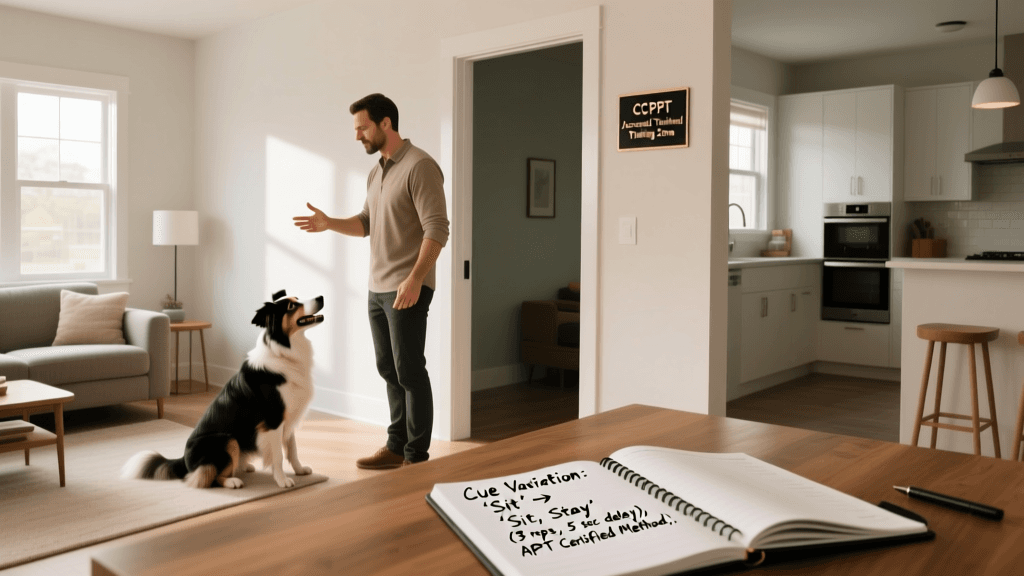
Private training involves a certified professional dog trainer coming directly to your home or meeting you in a specific public setting. This route is highly tailored to your dog's unique needs, your household environment, and your specific lifestyle goals.
Cost Breakdown
Private trainers typically charge an hourly rate. Depending on your geographic location and the trainer's credentials, expect to pay between $90 and $175 per hour. Most trainers require a minimum commitment or offer discounted packages. A standard package of five one-hour sessions usually ranges from $400 to $750. Initial behavioral consultations, which involve a deep-dive assessment and a customized modification plan, often cost a flat fee of $150 to $250 before the hourly sessions begin.
Pros and Cons
- Pros: Customized curriculum, flexible scheduling, direct intervention in the environment where problem behaviors occur (e.g., barking at the front window, jumping on guests).
- Cons: Significantly more expensive than group classes, and the dog does not get the built-in socialization of a classroom setting.
Private training is the gold standard for addressing specific behavioral issues such as resource guarding, separation anxiety, leash reactivity, and counter-surfing. As noted by the ASPCA, addressing behavioral issues in the environment where they happen is often the most effective way to modify a dog's emotional response.
Board-and-Train Programs: The Immersive Premium Option
Often referred to as 'doggy boot camp,' board-and-train programs involve your dog living with a professional trainer for an extended period, typically two to four weeks. The trainer handles the intensive daily conditioning, and the owner is brought in for 'handover' sessions at the end of the program to learn how to maintain the new behaviors.
Cost Breakdown
This is the most expensive training option. Costs are calculated either by the week or as a flat program fee. Expect to pay anywhere from $1,500 to $3,500 for a standard two-to-three-week obedience program. For severe behavioral rehabilitation, programs can extend to six weeks and cost upwards of $5,000.
Pros and Cons
- Pros: Ideal for busy professionals who lack the daily time for consistent training, provides rapid foundational conditioning, and removes the dog from a stressful home environment during the initial learning phase.
- Cons: Very high upfront cost, risk of the dog reverting to old habits if the owner does not strictly follow the handover protocols, and the industry is unregulated, meaning you must heavily vet the trainer's methods to avoid aversive or outdated techniques.
Training Cost Comparison Chart
| Training Type | Average Cost | Time Commitment | Best Used For |
|---|---|---|---|
| Group Classes | $120 - $250 (per 6-week course) | 1-2 hours/week | Puppies, basic manners, socialization |
| Private In-Home | $90 - $175 (per hour) | 1 hour/week + daily homework | Reactivity, specific household issues |
| Board-and-Train | $1,500 - $3,500 (per program) | 2-4 weeks (dog away), then owner maintenance | Busy owners, intensive foundational obedience |
| Veterinary Behaviorist | $300 - $600 (initial consult) | Varies (medical + training) | Severe anxiety, aggression, medication needs |
Hidden Costs: Essential Training Gear and Supplies
When budgeting for training, the trainer's fee is only part of the equation. To set your dog up for success, you must invest in the right management tools and high-value rewards. Here is a breakdown of the essential gear you will need to purchase before your first session:
- High-Value Treats ($15 - $25): Standard kibble won't cut it for difficult tasks. Invest in freeze-dried liver, boiled chicken, or commercial high-value treats like Zuke's Mini Naturals or Vital Essentials.
- Training Treat Pouch ($15 - $30): A dedicated pouch that clips to your waist ensures treats are delivered within one to two seconds of the desired behavior. Look for brands like Ruffwear or Doggone Good.
- Front-Clip Harness ($25 - $45): Essential for leash reactivity and pulling. The Freedom No-Pull Harness or the Sensation Harness are highly recommended by professionals.
- Long Line ($20 - $40): A 15-to-30-foot biothane or cotton long line is crucial for practicing reliable recall in open spaces safely.
- Clicker or Marker ($5 - $10): A simple mechanical clicker or an i-Click box for precise operant conditioning.
- Management Tools ($30 - $80): Baby gates, exercise pens (x-pens), or crate covers to manage the dog's environment and prevent rehearsal of bad habits when you aren't actively training.
Financial Planning and Budgeting Tips
If the costs of professional dog training seem daunting, strategic financial planning can ease the burden. First, consider setting up a 'pet sinking fund.' By setting aside just $50 a month starting from the day you decide to adopt a dog, you will have $600 saved by the end of the year—more than enough to cover a robust private training package or multiple group classes.
Additionally, if you adopt from a shelter or rescue organization, always ask about alumni discounts. Many rescues partner with local force-free trainers who offer 10% to 20% off their services for adopters. Finally, be aware that standard pet insurance policies do not cover routine obedience training. However, if your dog requires a consultation with a board-certified Veterinary Behaviorist for severe anxiety or aggression, some premium insurance plans may cover the veterinary portion of the visit under behavioral illness benefits.
Making the Final Decision
Choosing the right training path is a balance between your dog's behavioral needs, your personal schedule, and your financial reality. For most families, starting with a well-run group class and supplementing with one or two private sessions for specific trouble areas offers the best return on investment. Remember that dog training is not a one-time expense, but an ongoing investment in your relationship with your pet. By planning your budget early and committing to the process, you pave the way for a lifetime of joy, safety, and companionship with your well-trained dog.
jonas-cole
All our authors care for dogs every day — read more of their work on the authors page.