Building Trust With Rescue Dogs Using Scent Work in 2026
Discover how canine scent psychology lowers anxiety. Learn step-by-step scent work routines and 2026 gear to build deep trust with your rescue dog.
The Hidden World of the Canine Nose
When you bring a rescue dog into your home, the immediate goal is often to establish a bond of trust. However, many well-meaning owners attempt to build this relationship through human-centric activities like prolonged eye contact, physical hugging, or high-energy fetch games. For a dog with a traumatic past or an uncertain shelter background, these visual and tactile stimuli can actually trigger fear responses. To truly connect with your dog, you must step into their sensory world. In 2026, leading veterinary behaviorists emphasize that the most profound way to understand and bond with a canine is through their olfactory system.
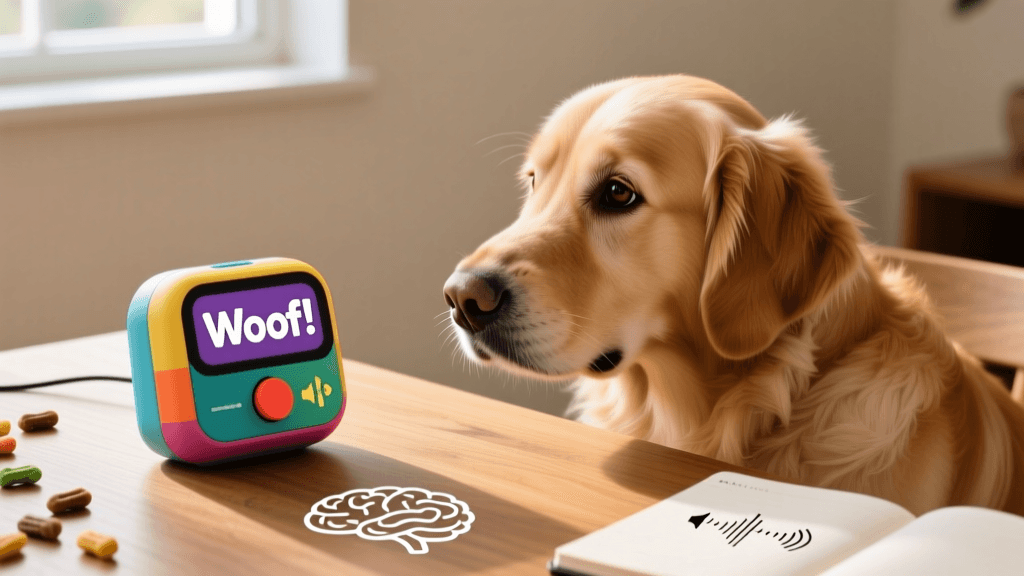
Dogs do not just smell the world; they read it. A dog's brain is uniquely wired to process olfactory information, with the olfactory bulb taking up proportionally 40 times more space than it does in the human brain. According to behavioral research highlighted by the American Kennel Club, dogs possess up to 300 million olfactory receptors in their noses, compared to our mere six million. This means that when your rescue dog is sniffing a patch of grass, they are not just smelling dirt; they are reading a complex, multi-layered chemical newspaper that tells them who has been there, what they ate, and even their emotional state.
Understanding this biological reality is the first step in relationship building. By engaging your dog's nose, you are speaking their native language. You are providing them with a sense of autonomy, mental stimulation, and psychological safety that visual training simply cannot match.
Why Scent Work is the Ultimate Trust Builder
For anxious or fearful rescue dogs, the visual world is overwhelming. Sudden movements, direct stares, and unfamiliar environments can spike cortisol levels. Scent work, however, acts as a natural decompression tool. When a dog engages in deep, methodical sniffing, their heart rate actually decreases. The physical act of inhaling deeply to capture scent molecules stimulates the parasympathetic nervous system, shifting the dog from a state of 'fight or flight' into 'rest and digest'.
Furthermore, the ASPCA notes that fear and anxiety in dogs are often rooted in a lack of environmental control. Scent work games give the dog complete agency. They are the ones solving the puzzle; they are the ones making the discoveries. When you, the handler, become the facilitator of these rewarding olfactory experiences, your dog's brain begins to associate your presence with dopamine releases, autonomy, and psychological safety. You are no longer a unpredictable giant; you are the gateway to their favorite sensory experiences.
2026 Scent-Bonding Gear Comparison
The market for canine enrichment has evolved significantly. When selecting tools for scent-based bonding, it is crucial to choose gear that encourages sustained sniffing rather than rapid, frustrated destruction. Below is a comparison of top-tier scent work tools available in 2026, tailored for building trust with rescue dogs.
| Enrichment Tool | Best For | 2026 Avg. Price | Bonding Factor |
|---|---|---|---|
| Outward Hound Snuffle Mat | Beginners, high-anxiety dogs needing immediate decompression. | $25 - $35 | High: Mimics natural foraging, lowering heart rate quickly. |
| Trixie Dog Activity Flip Board | Confident rescues ready for problem-solving and interactive play. | $15 - $22 | Medium-High: Requires handler guidance, building cooperative trust. |
| SniffLogic Pro Scent Whelk | Advanced scent hounds and high-energy working breeds. | $40 - $55 | Very High: Allows for deep, sustained scent tracking routines. |
| DIY Cardboard Scent Boxes | Shy dogs who are intimidated by brightly colored plastic toys. | $0 (Recycled) | High: Neutral smell allows focus purely on the hidden treat. |
The 3-Phase Scent Bonding Protocol
To build a lasting relationship with your rescue dog, implement this three-phase scent work protocol. This routine is designed to progressively build confidence while reinforcing your role as a supportive partner.
Phase 1: Scent Imprinting and Association
Before asking your dog to find hidden items, you must associate your personal scent and your training cues with high-value rewards. Sit on the floor with your dog, avoiding direct eye contact to prevent intimidation. Take a high-value, strongly scented treat, such as freeze-dried beef liver or low-sodium sardines. Rub the treat gently between your fingers so your natural skin oils and pheromones transfer to the food. Hand the treat to your dog softly. Repeat this until the dog approaches your hands with a relaxed posture and soft eyes. This phase teaches the dog that your scent predicts wonderful things.
Phase 2: The 'Find It' Trust Game
Once your dog is comfortable taking treats from your hand, introduce the verbal cue 'Find it.' While the dog is watching, place a treat on the floor just a few inches away. Say 'Find it' in a calm, encouraging whisper. Allow the dog to eat it. Gradually increase the distance, eventually tossing the treat into a snuffle mat or a pile of clean laundry. The critical bonding element here is your reaction: when the dog finds the treat, offer quiet, calm praise. Avoid loud clapping or high-pitched cheering, which can startle a nervous rescue. Your calm validation builds a secure attachment.
Phase 3: Environmental Scent Mapping
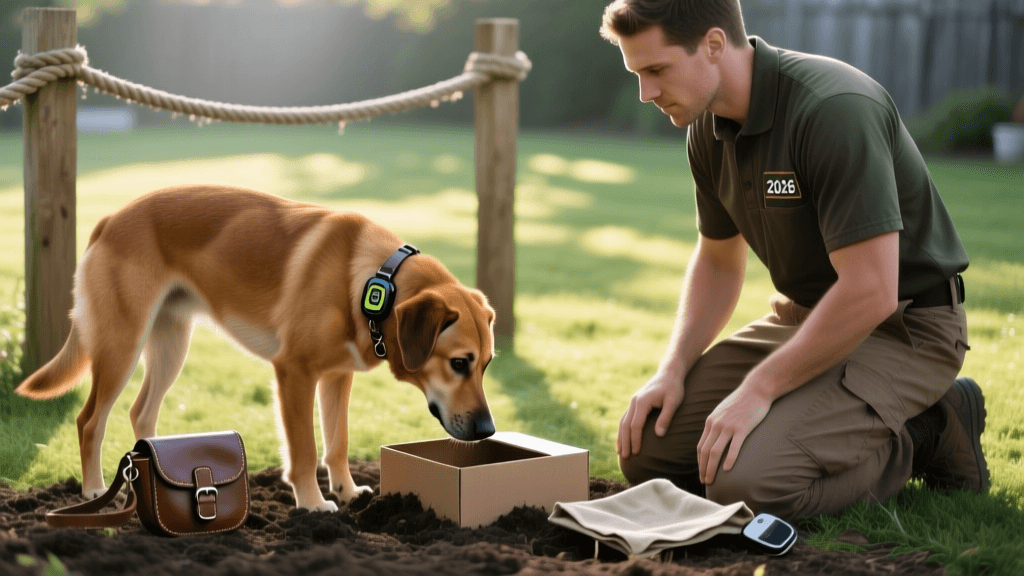
Move the game to a controlled outdoor environment, such as a quiet backyard or a low-traffic park. Hide treats in the bark of a tree, under a fallen leaf, or inside a hollow log. Allow your dog to lead the way on a long, 15-foot biothane tracking leash. Do not pull or guide the leash; let the dog dictate the pace and direction. By surrendering control of the walk to the dog's nose, you communicate profound respect for their instincts. This shared, pressure-free exploration is where the deepest bonds are forged.
Decoding Your Dog's Scent-Work Body Language
Understanding your dog's subtle communication signals during scent work is vital for relationship building. You must learn to read when they are engaged, when they are frustrated, and when they are overwhelmed.
- The 'Sniffing Sneeze': If your dog emits a short, sharp sneeze while actively sniffing a scent trail, this is a positive signal. In canine body language, this is often a 'calming signal' or an expression of excitement and playfulness. It means they are enjoying the game and feel safe.
- Lip Licking and Yawning: If your dog repeatedly licks their lips or yawns while trying to solve a scent puzzle, they are experiencing stress or frustration. The puzzle is too difficult, or the environment is too distracting. Immediately make the game easier by pointing out the treat, and end the session on a positive note to preserve their confidence.
- Ear Position and Tail Carriage: During deep olfactory focus, a dog's ears will typically be pitched forward or relaxed to the sides, and their tail will be level with their spine or wagging in a wide, sweeping motion. If the tail becomes stiff, high, and vibrating, or if the ears are pinned flat against the skull, the dog has shifted from 'scent tracking' to 'threat assessment.' Give them space and allow them to decompress.
- The 'Check-In' Glance: The ultimate sign of a strong bond during scent work is when the dog locates a difficult hide, but before eating the treat, they briefly look back at you. This 'check-in' is a profound display of trust and social referencing. They are sharing their success with you, confirming that you are a valued member of their pack.
Conclusion: Patience and the Power of the Nose
Building trust with a rescue dog is not a race; it is a gradual process of mutual understanding. By shifting your focus from human-centric training to canine-centric scent work, you honor your dog's biological heritage. The routines and tools available in 2026 make it easier than ever to facilitate these enriching experiences. Remember that every time your dog lowers their head to the earth and takes a deep, investigative breath, they are grounding themselves in the present moment. By guiding them through this olfactory journey with patience, respect, and high-value rewards, you are not just training a dog—you are forging an unbreakable, lifelong partnership built on the very essence of how they perceive the world.
priya-sutaria
All our authors care for dogs every day — read more of their work on the authors page.