Rescue Dog Bonding: The 3-3-3 Decompression Rule in 2026
Learn how to build trust with your newly adopted rescue dog using the 3-3-3 decompression rule and sanctuary room setups for a lasting bond in 2026.
The Critical First Days: Understanding Canine Decompression
Bringing a newly adopted rescue dog home is one of the most rewarding experiences in life, but the initial transition period is rarely a fairy tale. In 2026, modern canine behavioral science has shifted heavily away from the outdated "dominance" models and toward empathy-based decompression protocols. When a dog transitions from a shelter or foster environment into your home, their cortisol levels—the primary stress hormone—can take weeks to return to a baseline state. Understanding this biological reality is the first step toward building an unbreakable bond.
According to the Humane Society of the United States, providing a structured, low-stress environment during the first few weeks is critical for long-term behavioral health. Rushing the bonding process often leads to fear-based reactivity, resource guarding, and a breakdown in trust. By embracing patience and utilizing proven relationship-building techniques, you set the foundation for a lifetime of companionship.
The 3-3-3 Rule of Rescue Dog Adoption Explained
The 3-3-3 rule is a widely recognized guideline among rescue organizations and veterinary behaviorists. It outlines the general timeline a rescue dog goes through when adjusting to a new home. While every dog is an individual, this framework helps new owners manage their expectations and respond to their dog's emotional needs appropriately.
The First 3 Days: Decompression and Overwhelm
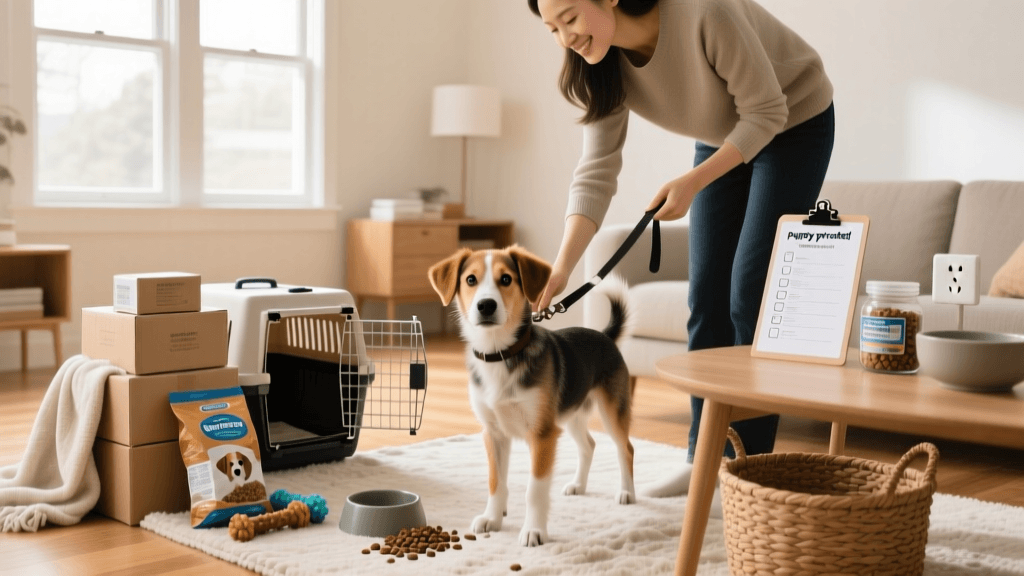
During the first three days, your dog is likely to feel overwhelmed, scared, and unsure of their surroundings. They may not eat or drink normally, test boundaries, or hide in corners. This is not the time for intensive training or meeting the neighborhood. The goal is simply to let them decompress. Keep your home quiet, limit visitors, and allow them to explore at their own pace. Provide a designated "safe zone" where they can retreat without being disturbed.
The First 3 Weeks: Settling In and Learning Routines
By the three-week mark, your dog is beginning to settle. They are learning your daily routines, figuring out where the meals come from, and starting to show their true personality. This is the optimal window to introduce gentle, positive-reinforcement training and establish household rules. Bonding during this phase is heavily reliant on predictability. Dogs thrive on routine, and knowing what to expect from you builds profound trust.
The First 3 Months: Building True Trust and Bonding
At three months, a deep sense of security and attachment begins to form. Your dog now considers your house their home. They have established a routine and understand the boundaries. This is when the true bond blossoms. You can now safely introduce more complex enrichment activities, off-leash exploration in secure areas, and deeper socialization, always monitoring their stress signals.
Designing a 2026 Sanctuary Room for Your Rescue Dog
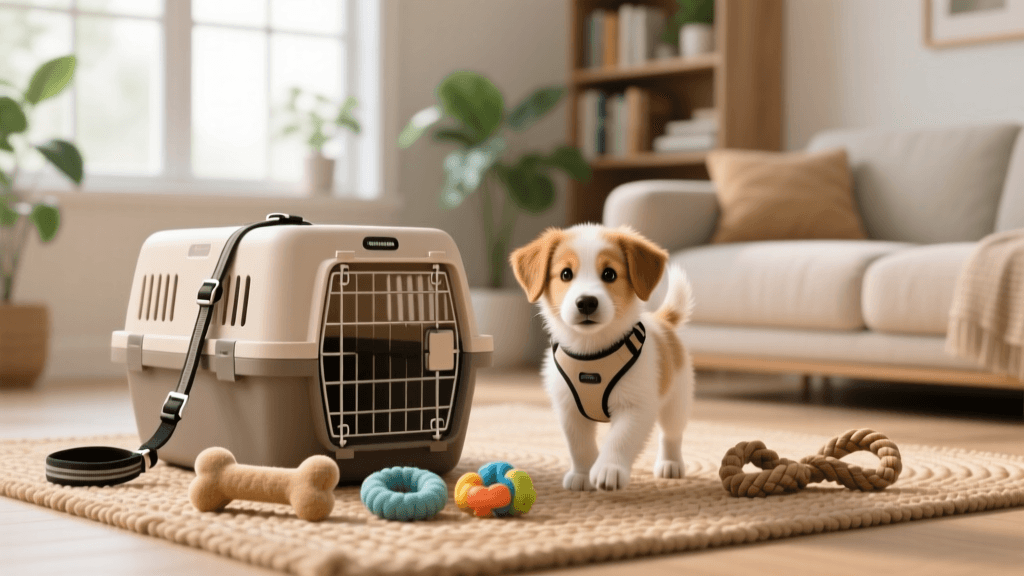
To facilitate the critical "3 Days" decompression phase, canine behaviorists highly recommend setting up a sanctuary room. This is a quiet, dog-proofed space—like a spare bedroom or a gated-off living room corner—where the dog can acclimate without the pressure of navigating a large, unfamiliar house. In 2026, sanctuary room setups have evolved to include advanced calming technologies alongside traditional comfort items.
Essential Gear for the Sanctuary Space
- Orthopedic Calming Bed: Look for beds with bolstered edges, which provide a sense of security and support joint health.
- Smart Pheromone Diffusers: The latest 2026 models of Adaptil Optimum plug-in diffusers use advanced micro-vaporization to release synthetic dog-appeasing pheromones, significantly reducing anxiety in enclosed spaces.
- White Noise Machine: Urban environments and apartment complexes can be full of triggering sounds. A continuous white noise or brown noise machine masks sudden hallway or street noises.
- Snuffle Mats and Lick Mats: Foraging and licking are natural self-soothing behaviors. Spreading their daily kibble across a snuffle mat engages their brain and lowers their heart rate.
Sanctuary Room Setup Checklist & Estimated 2026 Costs
| Item | Purpose | 2026 Estimated Cost |
|---|---|---|
| Bolstered Orthopedic Bed | Physical comfort and security | $75 - $130 |
| Smart Pheromone Diffuser Kit | Chemical anxiety reduction | $45 - $65 |
| White Noise Sound Machine | Auditory masking | $25 - $50 |
| Interactive Lick & Snuffle Mats | Enrichment and self-soothing | $20 - $40 |
| Freestanding Pet Gate | Safe boundary without door pressure | $50 - $90 |
Scent Swapping: A Proven Technique for Early Bonding
Because a dog's primary sense is olfaction, scent is the most direct pathway to their emotional center. Scent swapping is a powerful, non-invasive way to build a positive association with you before the dog even fully trusts physical touch. During the first week, take a clean cotton t-shirt, wear it for a few hours or sleep in it, and then place it near their bedding in the sanctuary room. Do not force the shirt on them; simply let them investigate it on their own terms.
Conversely, you can gently rub a soft cloth on the dog's cheeks and shoulders (where they produce calming pheromones) and place that cloth in areas where you spend time. This mutual scent exchange signals to the dog's brain that your smell and their smell belong to the same "pack" or family unit, accelerating the bonding process without triggering fear responses associated with forced handling.
Hand-Feeding and Engagement Games to Build Trust
In 2026, the practice of free-feeding (leaving a bowl of food out all day) is heavily discouraged by the ASPCA for newly adopted dogs, primarily because it misses a massive opportunity for relationship building. Food is the ultimate currency in canine psychology. By hand-feeding your rescue dog their daily meals during the first few weeks, you transform from a mere provider into a source of joy and engagement.
Use high-value treats and their daily kibble allocation to play simple engagement games. Toss a piece of kibble on the floor and encourage them to find it. Ask for a simple "sit" or eye contact before offering a bite. This not only builds focus and impulse control but also teaches the dog that interacting with you yields the best possible outcomes. If your dog is too fearful to take food directly from your hand, simply drop the treats near your feet while you sit quietly on the floor reading a book. This technique, known as "parallel presence," allows the dog to associate your proximity with positive rewards without the pressure of direct eye contact or physical interaction.
Common Bonding Mistakes to Avoid
Even with the best intentions, new owners often sabotage the early bonding process by moving too fast. Avoid these common pitfalls:
- The "Welcome Home" Party: Inviting friends and family over on the first weekend is incredibly overwhelming. Keep your social circle to an absolute minimum for the first three weeks.
- Forcing Affection: Hugging, looming over, or forcing a fearful dog into your lap can trigger defensive biting or long-term aversion. Let the dog initiate contact.
- Skip-the-Decompression Walks: Dragging a terrified dog to a busy dog park or a crowded farmer's market to "socialize" them is a recipe for behavioral fallout. Stick to quiet, low-traffic routes or use a long-line in a private, fenced area.
Conclusion: Patience is the Ultimate Bonding Tool
Building a profound, lasting relationship with a rescue dog is not a sprint; it is a marathon of mutual respect and patience. By honoring the 3-3-3 decompression rule, utilizing a thoughtfully designed sanctuary room, and leveraging positive engagement techniques like scent swapping and hand-feeding, you are speaking your dog's native language. As you navigate the beautiful complexities of dog ownership in 2026, remember that trust cannot be demanded—it must be earned. The effort you invest in these critical early days will be repaid with a decade or more of unwavering loyalty and love. For more comprehensive guidance on adjusting to your new pet, the American Kennel Club's training resources offer excellent ongoing support for you and your new companion.
hannah-wickes
All our authors care for dogs every day — read more of their work on the authors page.