2026 Guide: Puzzle Toys for New Rescue Dog Decompression
Discover the best puzzle toys and mental enrichment strategies to help your newly adopted rescue dog decompress and settle in during 2026.
The Hidden Challenge of Bringing Home a Rescue Dog
Bringing a new dog home is one of life's most exciting milestones. However, as we navigate the evolving landscape of pet care in 2026, experts increasingly emphasize that the first few days with a newly adopted rescue dog require a delicate, calculated approach. While many new owners immediately focus on physical exercise to 'tire out' their new companion, modern canine behavioral science points to a different priority: mental decompression. According to the ASPCA, shelter environments subject dogs to chronic stress, elevating their cortisol levels for weeks. When you bring them home, a sudden influx of new sights, sounds, and physical demands can lead to sensory overload. This is where mental enrichment and puzzle games become your most valuable tools for a successful transition.
Why Mental Enrichment Beats Physical Exercise in Week One
It is a common misconception that a long, exhausting walk will help a nervous rescue dog settle in. In reality, forced physical exertion in a new environment can spike adrenaline and make a dog more reactive or fearful. Mental enrichment, on the other hand, engages the canine brain's problem-solving centers. Sniffing, licking, and foraging release dopamine and endorphins, which naturally lower the heart rate and promote a state of calm. The American Kennel Club (AKC) notes that just fifteen minutes of focused scent work or puzzle-solving can provide the same cognitive fatigue as an hour of vigorous running. For a newly adopted dog, this means they can burn off nervous energy without the stress of navigating a busy neighborhood or encountering strange dogs.
The 3-3-3 Rule and Cognitive Decompression
The rescue community widely advocates for the 3-3-3 rule to set realistic expectations for new adopters.
The 3-3-3 Rule: Three days to decompress, three weeks to learn your routine, and three months to truly feel at home.
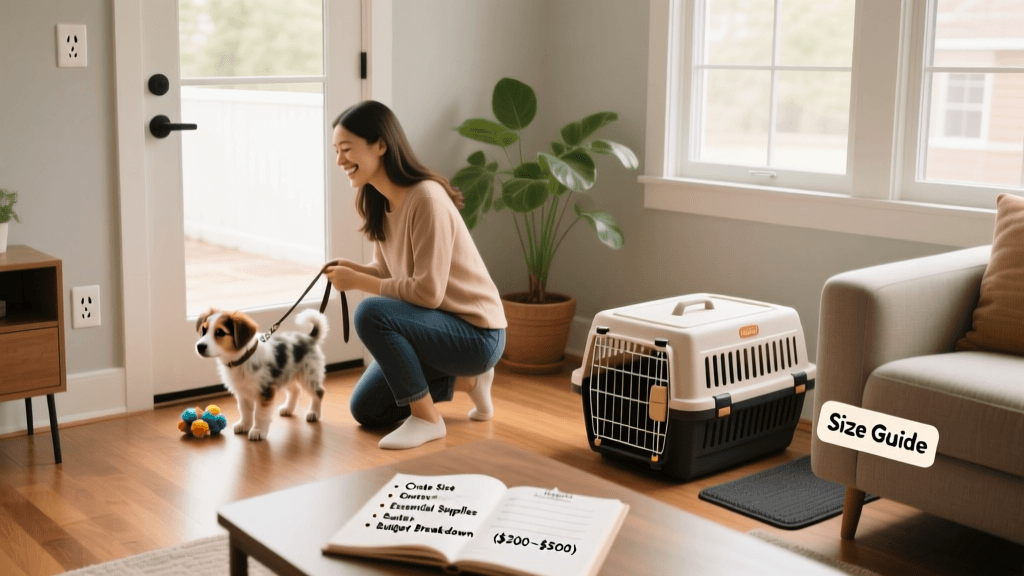
During those critical first three days, your primary goal is to create a safe, low-pressure environment. Puzzle toys are perfect for this phase because they allow the dog to engage with you and their new surroundings on their own terms. You do not need to force interaction; simply provide the puzzle and let them choose to investigate. This builds confidence and establishes a positive association with their new home.
Top 4 Starter Puzzles for New Arrivals (2026 Editions)
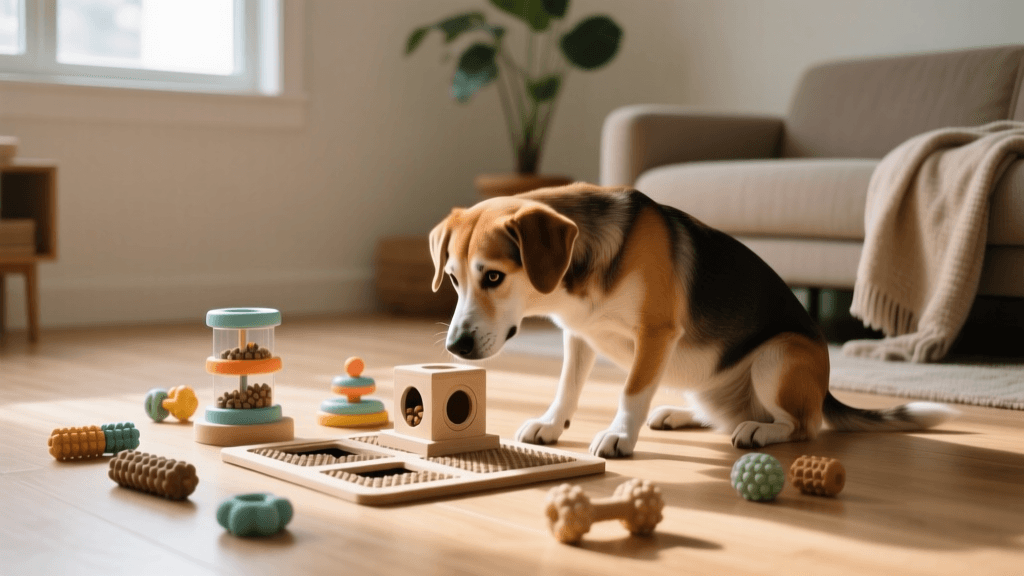
When selecting your first enrichment tools, avoid overly complex mechanical puzzles that might cause frustration. A frustrated dog will simply walk away or begin chewing the toy destructively. Instead, focus on foraging, licking, and simple extraction toys. Here are the top recommendations for 2026:
| Toy Name | Type | Difficulty | Best For | Est. 2026 Price |
|---|---|---|---|---|
| Kong Classic (2026 Formula) | Stuffable Rubber | Beginner | Chewing and Licking | $18.99 |
| LickiMat Soother Pro | Textured Mat | Beginner | Anxiety Relief | $14.50 |
| Wooly Snuffle Mat | Foraging Fabric | Intermediate | Scent Work | $39.00 |
| Outward Hound Hide-A-Squirrel | Plush Extraction | Beginner | Prey Drive | $22.99 |
Detailed Breakdown of Starter Puzzles
Kong Classic: The iconic Kong remains a staple in 2026. The updated natural rubber formula is slightly more forgiving on the teeth of anxious chewers. For a new rescue, stuff it loosely with high-value treats like plain pumpkin puree or low-sodium chicken broth, and freeze it. The act of licking a frozen Kong is incredibly soothing and can keep them occupied in their safe space or crate while you work in another room.
LickiMat Soother Pro: The textured nubs on the LickiMat slow down eating and encourage repetitive licking, which is a self-soothing behavior for dogs. Spread a thin layer of dog-safe peanut butter or plain Greek yogurt across the surface. This is an excellent tool to use during potentially stressful moments, such as when guests visit or during loud outdoor noises.
Wooly Snuffle Mat: Sniffing is a dog's primary way of processing the world. A high-quality, densely woven snuffle mat mimics foraging in tall grass. Scatter a portion of their daily kibble ration into the mat and let them hunt for it. This builds focus and tires out their brain without requiring them to leave the safety of their decompression room.
Hide-A-Squirrel: For dogs with a high prey drive, soft extraction puzzles offer a gentle outlet. The plush trunk and squeaky squirrels allow the dog to practice 'hunting' and pulling prey from a confined space. It is engaging but not overly difficult, ensuring a quick win that boosts their confidence.
Step-by-Step: Introducing Puzzles Without Causing Frustration
The way you introduce a puzzle toy is just as important as the toy itself. If you hand a dog a tightly packed, frozen Kong on their first day, they may give up in frustration. Follow these steps to ensure success:
- Start Unbelievably Easy: For the first few sessions, do not hide the treats deeply. Let the kibble fall right out of the toy with a simple nudge. You want the dog to think, 'This is the easiest game ever!'
- Use High-Value Rewards: In the first week, standard kibble might not be motivating enough to overcome a dog's anxiety. Use smelly, high-value treats like freeze-dried liver or boiled chicken to draw them in.
- Supervise and Assist: Stay nearby but do not hover. If the dog struggles, calmly step in, make the treat easier to access, and praise them. You are building a partnership, not testing their intelligence.
- End on a High Note: Remove the puzzle before the dog loses interest or becomes frustrated. Leaving them wanting more ensures they will be excited the next time you bring it out.
DIY Mental Enrichment for the First 48 Hours
You do not need to spend a fortune on commercial toys to provide excellent mental enrichment. Many items in your recycling bin or linen closet can be repurposed into engaging puzzles. The Humane Society of the United States frequently advocates for safe, accessible enrichment for all pet owners.
The Towel Roll-Up: Lay a clean bath towel flat on the floor. Scatter treats across it, then roll it up tightly. For an added challenge, tie the rolled towel into a loose knot. This encourages the dog to use their paws and nose to unroll the towel and access the rewards.
The Muffin Tin Game: Take a standard baking muffin tin and place a few treats in the cups. Cover each cup with a tennis ball or a crumpled piece of paper. The dog must figure out how to remove the obstacles to get to the food.
Cardboard Box Foraging: Take a small, clean cardboard box (ensure all tape and staples are removed). Place some treats and a few of their favorite toys inside. Leave the flaps open at first, and as the dog gains confidence, you can fold the flaps shut so they have to nudge the box open.
Reading Your Dog: Signs of Engagement vs. Frustration
As you introduce these games, closely monitor your new dog's body language. Engagement looks like a relaxed posture, soft eyes, a gently wagging tail, and focused sniffing. Frustration, however, manifests differently. If your dog begins pawing aggressively at the toy, throwing it across the room, whining, or walking away to pant heavily, the puzzle is too difficult or they are overstimulated.
When you see signs of frustration, immediately intervene. Make the puzzle easier by removing some barriers or tossing a few 'free' treats on the floor nearby. Remember, the goal of mental enrichment during the decompression phase is to build confidence and lower stress, not to challenge their cognitive limits.
Creating a Long-Term Enrichment Routine
As your rescue dog moves past the initial three-day decompression phase and settles into the three-week and three-month milestones, you can gradually increase the complexity of their puzzle games. You can introduce multi-step mechanical puzzles, scent discrimination games, and interactive feeder toys that require them to slide, spin, or lift compartments.
By prioritizing mental enrichment from day one, you are laying the groundwork for a confident, well-adjusted, and deeply bonded companion. The patience you show during those first few days of puzzle play will pay dividends for the rest of your dog's life, transforming a nervous shelter arrival into a thriving, happy member of your family in 2026 and beyond.
jonas-cole
All our authors care for dogs every day — read more of their work on the authors page.