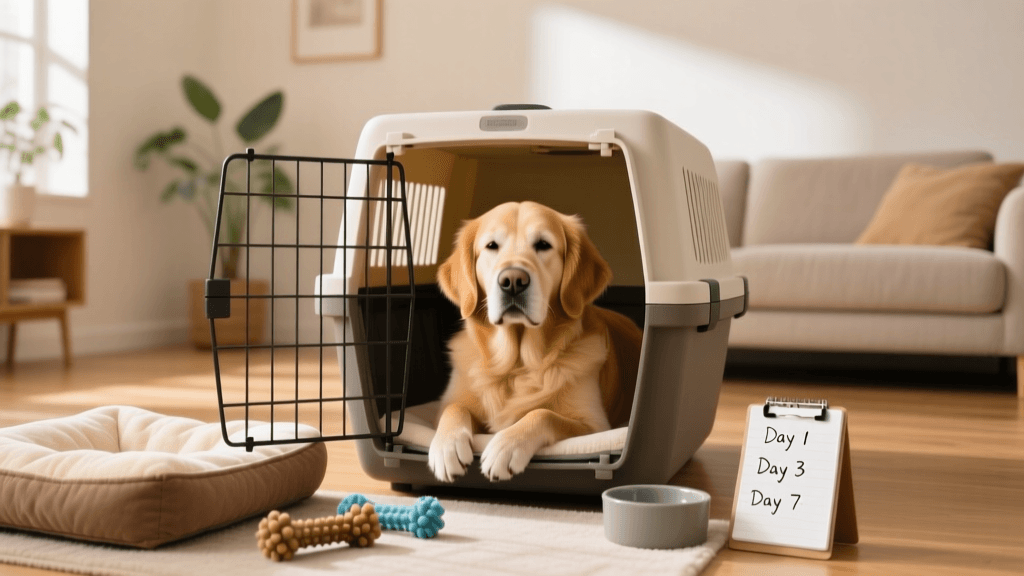
The 3-3-3 Rule: A Rescue Dog's Journey to Feeling at Home
Discover how the 3-3-3 rule helped a fearful rescue dog thrive. Learn actionable decompression tips, essential gear, and timelines for your new adoption.

Meeting Luna: The Reality of Rescue Dog Decompression
Adopting a rescue dog is a profoundly rewarding experience, but the glossy photos of smiling shelter dogs often mask the complex emotional transition they face when entering a new home. When I first brought Luna, a terrified three-year-old mixed breed, home from the local humane society, I expected instant gratitude and tail wags. Instead, I got a dog who trembled in the corner of her crate, panted heavily, and refused to eat for the first 24 hours. It wasn't until I applied the widely recognized "3-3-3 Rule" of rescue dog decompression that Luna finally began to thrive.
Many first-time adopters fall victim to the honeymoon period myth, assuming that a dog's initial subdued behavior means they are perfectly polite and well-adjusted. According to the ASPCA, many rescue dogs have unknown histories and may exhibit delayed behavioral responses once they feel safe enough to let their guard down. Understanding this timeline is crucial to preventing adoption returns and ensuring a lifelong bond. In this article, we will explore Luna's real-life rescue story alongside a comprehensive, actionable guide to helping your newly adopted dog adjust, complete with specific gear recommendations, timelines, and expert-backed strategies.
Understanding the 3-3-3 Rule of Dog Decompression
The 3-3-3 rule is a general guideline that outlines the emotional and behavioral milestones a rescue dog typically experiences during their first three months in a new environment. While every dog is an individual, this framework provides a vital roadmap for setting realistic expectations.
The First 3 Days: Overwhelm and Shutdown
Dogs are highly sensory creatures. Moving from a loud, echoing, high-stress kennel to a quiet, unfamiliar house is incredibly jarring. During the first 72 hours, Luna spent almost all her time hiding behind the living room sofa. She was in survival mode, processing a massive environmental shift.
Actionable Advice: Set up a dedicated "decompression zone" before bringing your dog home. This should be a quiet room or a sectioned-off area using a baby gate. Plug in an Adaptil Calm Plug-In Diffuser (approximately $30) to release synthetic dog-appeasing pheromones that mimic a nursing mother dog, which naturally lowers canine anxiety. Keep the environment exceptionally quiet. Do not invite friends or family over to "meet the new dog" during this window. Let the dog approach you on their own terms, and toss high-value treats like boiled chicken breast onto the floor near them without forcing eye contact.
The First 3 Weeks: Settling In and Learning Routines
By week two, the initial shock wears off, and the dog begins to test boundaries and learn your household rhythm. The Humane Society of the United States emphasizes that establishing a predictable routine is one of the most effective ways to lower a rescue dog's cortisol levels and build confidence.
Actionable Advice: Implement a strict daily schedule. Feed your dog at the exact same times (e.g., 7:00 AM and 6:00 PM) and schedule potty breaks at consistent intervals. For walks, ditch the retractable leash. Retractable leashes can easily snap, drop loudly, and trigger fear responses in traumatized dogs. Instead, invest in a sturdy 6-foot leather or biothane leash. This specific length gives the dog enough room to sniff and explore while keeping them close enough to feel secure and under your control. Introduce a Kong Classic Red Toy ($15) stuffed with frozen peanut butter and kibble during your mealtimes to build positive associations with their crate or safe space.
The First 3 Months: Building Trust and True Personality
Around the three-month mark, the emotional walls come down. This is when you will see your dog's true personality emerge, but it is also when underlying behavioral issues, such as separation anxiety or resource guarding, may surface because the dog finally feels secure enough to express their fears.
Actionable Advice: Begin structured, positive-reinforcement obedience training. Best Friends Animal Society notes that mental enrichment and training are critical for building a mutual language of trust between you and your rescue dog. Use small, low-calorie training treats like Zuke's Mini Naturals ($8) to teach basic cues like "touch," "sit," and "recall." Start practicing short departures to prevent separation anxiety. Leave the house for just 5 minutes, then return calmly without making a fuss, gradually increasing the duration over several weeks.
Actionable Gear and Setup for Rescue Decompression
Having the right tools on hand before your rescue dog crosses the threshold is essential for a smooth transition. Below is the exact decompression kit I used for Luna, including specific measurements and estimated costs to help you budget effectively.
| Item | Purpose | Estimated Cost |
|---|---|---|
| Midwest Life Stages 36x23x25 Inch Crate | Provides a secure, den-like safe space for downtime and potty training. | $65.00 |
| Adaptil Calm Plug-In Diffuser Kit | Releases synthetic pheromones to reduce environmental stress. | $30.00 |
| SmartPetLove Snuggle Puppy with Heartbeat | Soothes crate anxiety and mimics the presence of littermates. | $45.00 |
| Kong Classic Red Toy (Medium) | Durable mental enrichment and slow-feeding tool. | $15.00 |
| 6-Foot Biothane Leash (3/4 inch width) | Weatherproof, secure, and prevents the dangers of retractable leashes. | $25.00 |
| Zuke's Mini Naturals Training Treats | Low-calorie, high-value rewards for positive reinforcement. | $8.00 |
| Total Estimated Decompression Investment | $188.00 | |
Real-Life Milestones: Luna's Breakthrough Moments
Tracking Luna's progress helped me remain patient during the difficult days. Here is what her 3-3-3 timeline actually looked like in practice:
- Day 4: Luna took a piece of hot dog from my open palm for the first time, though she immediately retreated under the coffee table to eat it.
- Week 2: She began initiating play by dropping a rope toy near my feet, a massive sign of growing confidence.
- Week 4: Luna slept through the night in her crate without whining, and her panting during car rides significantly decreased.
- Month 2: We experienced our first minor setback; she growled when I approached her while she was chewing a bully stick. We immediately implemented resource-guarding protocols, trading up for higher-value treats rather than punishing the behavior.
- Month 3: Luna voluntarily jumped onto the couch and rested her head on my lap, falling into a deep, relaxed sleep. The decompression was complete; she was finally home.
"Decompression is not a luxury; it is a biological necessity for a dog transitioning from a high-stress shelter environment to a home. Rushing this process by forcing affection or over-socializing is the leading cause of behavioral fallout and returned adoptions."
— Certified Applied Animal Behaviorist
Common Pitfalls to Avoid During the Adjustment Period
Even with the best intentions, new adopters frequently make mistakes that can severely set back a rescue dog's progress. Avoid these common pitfalls at all costs:
1. The Dog Park on Day Two
Taking a newly adopted dog to a crowded, off-leash dog park is a recipe for disaster. The environment is chaotic, unpredictable, and overwhelming. A fearful dog may snap defensively if mobbed by overly enthusiastic resident dogs. Stick to quiet, low-traffic neighborhood walks or rent a private, fenced-in yard using apps like Sniffspot for the first few months.
2. Forcing Affection
It is human nature to want to hug and comfort a sad-looking dog. However, leaning over, making direct eye contact, and wrapping your arms around a dog's neck are highly threatening gestures in canine body language. Let the dog initiate contact. Practice the "No Touch, No Talk, No Eye Contact" rule when you first enter the house to keep arousal levels low.
3. Inconsistent House Rules
If the dog is not allowed on the furniture during the first week, do not let them on the couch in week three just because they look cute. Inconsistency creates anxiety. Establish your household boundaries on day one and enforce them gently but firmly using positive redirection.
Conclusion: Patience Pays Off
Adopting a rescue dog like Luna is not a quick fix; it is a marathon of patience, empathy, and structured guidance. By respecting the 3-3-3 rule, investing in the proper decompression gear, and allowing your dog the time they need to process their past, you lay the foundation for an unbreakable bond. The journey from a trembling shelter dog to a confident, beloved family member is one of the most transformative experiences in life. Give them the grace of time, and they will give you their whole heart.
marcus-aldridge
All our authors care for dogs every day — read more of their work on the authors page.