Decoding Rescue Dog Body Language: 2026 Meet-and-Greet Guide
Learn to read rescue dog body language and calming signals during your 2026 shelter meet-and-greet to ensure a safe, lasting adoption match.
Decoding Rescue Dog Body Language: The 2026 Shelter Meet-and-Greet Guide
Adopting a rescue dog is one of the most rewarding decisions you can make, but the shelter environment can make it incredibly difficult to see a dog's true personality. In 2026, animal welfare organizations heavily emphasize the importance of reading canine communication and calming signals during the initial meet-and-greet. According to the American Kennel Club (AKC), understanding subtle body language is the key to preventing early adoption returns, avoiding bites, and ensuring a safe, lifelong bond.
When you walk into a modern shelter, you are entering a high-stress environment for the dogs. The concrete walls, echoing barks, and unfamiliar scents create a sensory overload that masks a dog's baseline temperament. To make an informed adoption decision, you must look past the kennel front and learn to speak the silent language of canine appeasement and stress. This comprehensive guide will teach you how to decode rescue dog body language, evaluate calming signals, and conduct a successful meet-and-greet in 2026.
The Shelter Mask: Barrier Frustration vs. True Personality
One of the most common mistakes prospective adopters make is judging a dog solely by their behavior at the front of the kennel. Many dogs exhibit what behaviorists call 'barrier frustration.' When confined behind a chain-link fence or glass door, a dog may lunge, bark, spin, or throw themselves against the barrier. While this looks aggressive to the untrained eye, it is often a manifestation of extreme frustration, over-arousal, or a desperate desire to greet you.
Conversely, a dog that is cowering in the back of the kennel, facing the wall, is not necessarily 'broken' or inherently fearful. They are likely utilizing displacement behaviors to cope with the overwhelming noise. The Humane Society of the United States notes that a dog's true personality rarely emerges until they are removed from the kennel and placed in a quiet, neutral space. Therefore, your meet-and-greet protocol must prioritize decompression and careful observation of micro-signals.
Essential Canine Calming Signals to Watch For
Pioneered by canine behavior expert Turid Rugaas, 'calming signals' are subtle body language cues dogs use to de-escalate tension, self-soothe, and communicate peaceful intentions. Recognizing these signals during your meet-and-greet is crucial. If you miss them and continue to push the dog's boundaries, the dog may feel forced to escalate to a growl or a bite.
Below is a structured breakdown of the most common calming signals you will encounter in a shelter environment, what they mean, and how you should adjust your behavior in response.
| Canine Signal | What It Means | How You Should Respond |
|---|---|---|
| Lip Licking / Tongue Flicks | Mild stress, appeasement, or confusion. The dog is trying to pacify you or themselves. | Stop approaching. Turn your body slightly sideways and lower your voice. Give the dog space to process. |
| Yawning (Out of Context) | Not tired; experiencing internal conflict or rising anxiety about the interaction. | Avoid direct eye contact. Toss a high-value treat on the floor away from you to relieve social pressure. |
| Whale Eye (Half-Moon Eye) | High anxiety or fear. The dog turns its head away but keeps its eyes fixed on the perceived threat. | Do not reach over the dog's head. Immediately retreat a step and allow the dog to initiate the next move. |
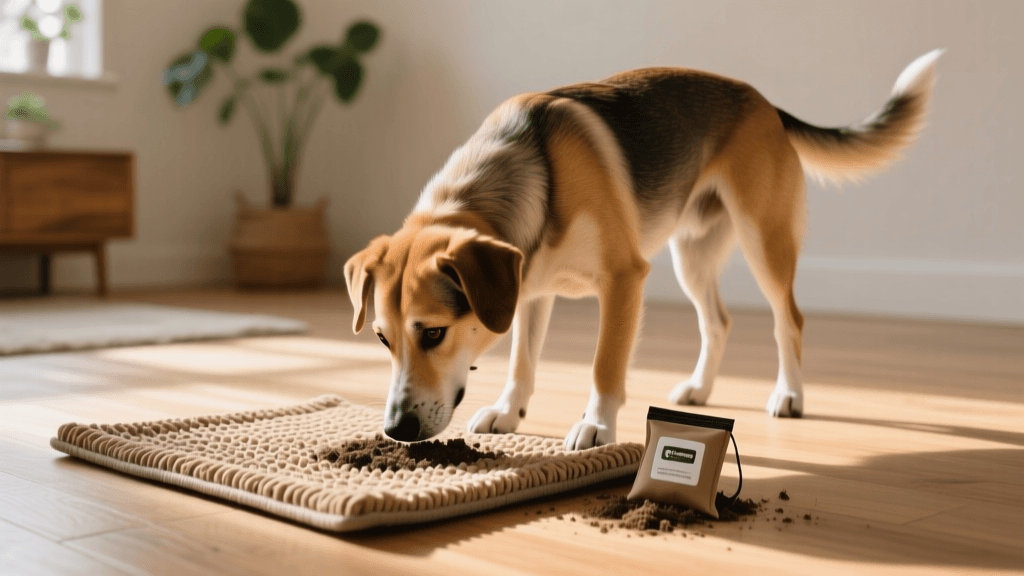
| Ground Sniffing | A displacement behavior used to avoid interaction and lower the emotional temperature of the room. | Let them sniff. Do not force them to look at you or pull the leash. Wait for them to look up voluntarily. |
| Play Bow | Front end down, rear end up. A clear invitation to interact and a sign of a relaxed, social state. | Respond with a gentle, playful voice. Engage with a toy or toss treats to build positive association. |
| Shaking Off | Literally 'shaking off' stress after a tense moment, similar to a human taking a deep breath. | Praise softly. The dog is successfully self-regulating. Offer a gentle scratch on the chest or shoulder. |
The 2026 Step-by-Step Meet-and-Greet Protocol
To properly evaluate a rescue dog, you need the right tools and a structured approach. In 2026, average shelter adoption fees range from $150 to $450, which typically includes microchipping, core vaccinations, and spay/neuter surgery. However, the emotional investment requires careful vetting. Here is your actionable protocol for the meet-and-greet.
1. The Setup and Equipment
Request to meet the dog in a quiet, enclosed outdoor yard or a dedicated 'real-life' room, rather than a sterile concrete hallway. Bring a 6-foot leather or biothane leash and a slip lead, such as the highly recommended Mendota Products Snap Lead (approximately $22 in 2026). Avoid retractable leashes entirely, as they provide zero leverage and teach dogs to pull. Bring a pouch of high-value, soft treats like Zuke's Mini Naturals ($8 per bag) to test the dog's food drive and gentleness.
2. The Approach and Greeting
When the shelter staff brings the dog out, do not rush forward with your hands outstretched. Stand sideways, which is a less threatening posture in canine communication. Allow the dog to approach you on their own terms. If they exhibit the calming signals mentioned above (sniffing, yawning), respect their need for space. If they approach with a loose, wiggly body and a relaxed, sweeping tail wag, you can gently offer the back of your hand for them to sniff.
3. The Treat Test and Handling Evaluation
Offer a treat flat on your open palm. Does the dog take it gently, or do they snatch it with hard, frantic bites? A dog that snatches treats is likely over-aroused and will require impulse control training. Next, gently stroke the dog's shoulder and chest. Avoid patting the top of the head, as many rescue dogs find overhead reaching deeply intimidating. Watch for 'whale eye' or stiffening. If the dog leans into your touch and their eyes soften, they are showing a green light for physical affection.
Evaluating Dog-to-Dog Communication
If you already have a resident dog at home, the shelter meet-and-greet is non-negotiable. However, reading dog-to-dog communication requires a keen eye. Always conduct the introduction on neutral territory, such as a quiet park or a large shelter yard, with both dogs on loose 6-foot leashes handled by separate adults.
Begin with a parallel walk, keeping the dogs at a distance where they can see each other but remain under their reactivity threshold. Look for loose, parallel body language and reciprocal sniffing. A 'play bow' is an excellent sign of mutual interest. Conversely, if either dog displays a stiff, high tail, rigid posture, or a hard, unblinking stare, immediately increase the distance between them. According to behaviorists, a stiff tail wag is not a sign of happiness; it is a sign of high arousal and potential aggression. Never force a face-to-face greeting if the parallel walk shows signs of tension.
The 3-3-3 Rule of Decompression
It is vital to remember that the dog you meet at the shelter is not the dog you will have at home. The '3-3-3 Rule' is a foundational concept in modern rescue that outlines the decompression timeline for adopted dogs.
- 3 Days: The dog is overwhelmed, terrified, and unsure of their new environment. They may not eat or drink normally, hide under furniture, and exhibit extreme stress signals. Give them a quiet 'safe room' with a Kong Classic stuffed with peanut butter and let them decompress.
- 3 Weeks: The dog is settling in, learning your routine, and starting to show their true personality. This is when minor behavioral quirks and boundary-testing usually begin. Consistent, positive reinforcement training is critical here.
- 3 Months: The dog finally feels secure. They have built trust, formed a bond with you, and established their true baseline temperament.
Understanding this timeline prevents the tragic phenomenon of 'adoption remorse' or returning a dog to the shelter within the first week because they seemed 'shut down' or 'different' than they were in the meet-and-greet room.
Conclusion: Patience is the Ultimate Tool
Decoding rescue dog body language is not about finding a 'perfect' dog; it is about finding a dog whose communication style and needs align with your lifestyle. By observing calming signals, respecting boundary-setting behaviors, and utilizing a structured 2026 meet-and-greet protocol, you set the foundation for a successful adoption. For further reading on shelter dog behavior and stress reduction, consult the ASPCA's comprehensive dog behavior resources. Approach your shelter visit with patience, an open mind, and a pocket full of treats, and you will be well on your way to finding your perfect canine companion.
tom-renshaw
All our authors care for dogs every day — read more of their work on the authors page.