72-Hour Decompression Protocol for Anxious Rescue Dogs 2026
Learn the essential 72-hour decompression protocol for newly adopted anxious rescue dogs to prevent reactivity and build trust in your new home.
The Critical First 72 Hours: Setting Up Your Anxious Rescue Dog for Success
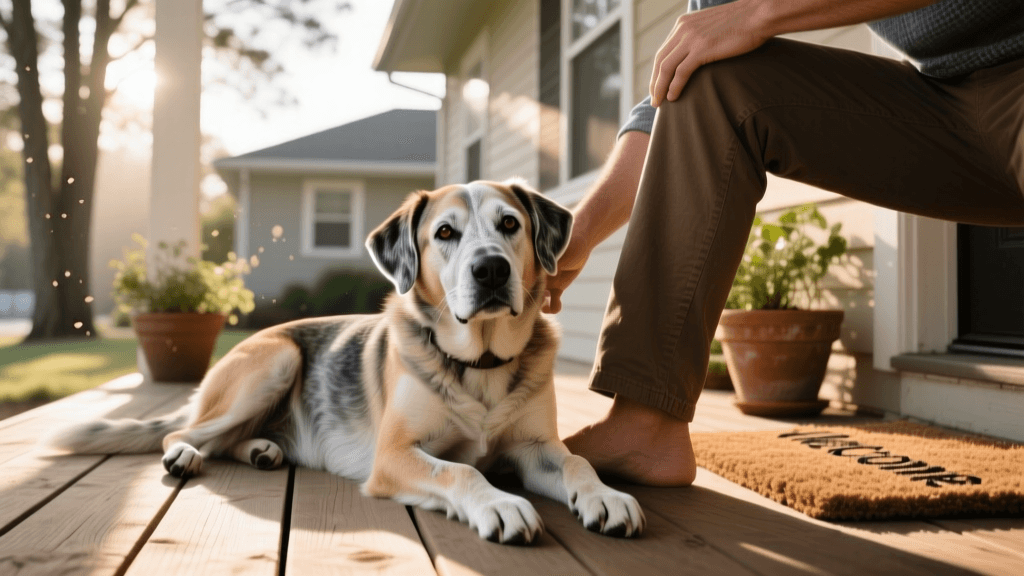
Bringing a newly adopted rescue dog home is an exhilarating milestone, but for dogs with a history of trauma, shelter stress, or underlying anxiety, the transition can be deeply overwhelming. In 2026, veterinary behaviorists and canine welfare organizations universally emphasize that the first three days in a new home are not about training or socialization; they are about physiological and psychological decompression. If you are adopting a dog prone to reactivity or fear-based behaviors, skipping the decompression phase can lead to 'trigger stacking,' resulting in biting, resource guarding, or severe separation anxiety.
According to The Humane Society of the United States, a shelter environment is inherently stressful, keeping a dog's baseline cortisol levels chronically elevated. When you bring that dog into a new environment with new smells, new people, and new rules, their nervous system can easily become overloaded. This comprehensive guide outlines the exact 72-hour decompression protocol you need to follow in 2026 to help your anxious rescue dog feel safe, lower their stress hormones, and lay the groundwork for a confident, non-reactive life.
The Science of Canine Decompression and Trigger Stacking
Decompression is the process of allowing a dog's nervous system to return to a baseline state of homeostasis after a period of chronic or acute stress. When a dog experiences a stressful event—such as being surrendered to a shelter, enduring a loud car ride, or meeting a house full of excited children—their body releases cortisol and adrenaline. While adrenaline dissipates relatively quickly, cortisol can remain in a dog's bloodstream for up to 72 hours after the stressor has ended.
If you introduce multiple stressors during this 72-hour window, your dog experiences 'trigger stacking.' Each new trigger adds to the cortisol load until the dog crosses their behavioral threshold. Once over threshold, a dog cannot learn, cannot process calming signals, and will default to survival instincts: fight, flight, or freeze. For a reactive dog, 'fight' might look like lunging at a family member or snapping over a food bowl. By enforcing a strict decompression protocol, you artificially lower the dog's environment to prevent trigger stacking.
As highlighted by the Fear Free Pets initiative, reducing fear, anxiety, and stress (FAS) in the first few days is the single most important factor in preventing long-term behavioral issues in rescue dogs. The goal of the first 72 hours is extreme predictability, low stimulation, and zero forced social interactions.
Phase 1: The First 24 Hours (The Quiet Zone)
The first day is all about minimizing sensory input. Your dog has just experienced a massive environmental shift. They do not need a tour of the neighborhood, a meet-and-greet with the kids' friends, or a trip to the pet supply store.
Environmental Setup
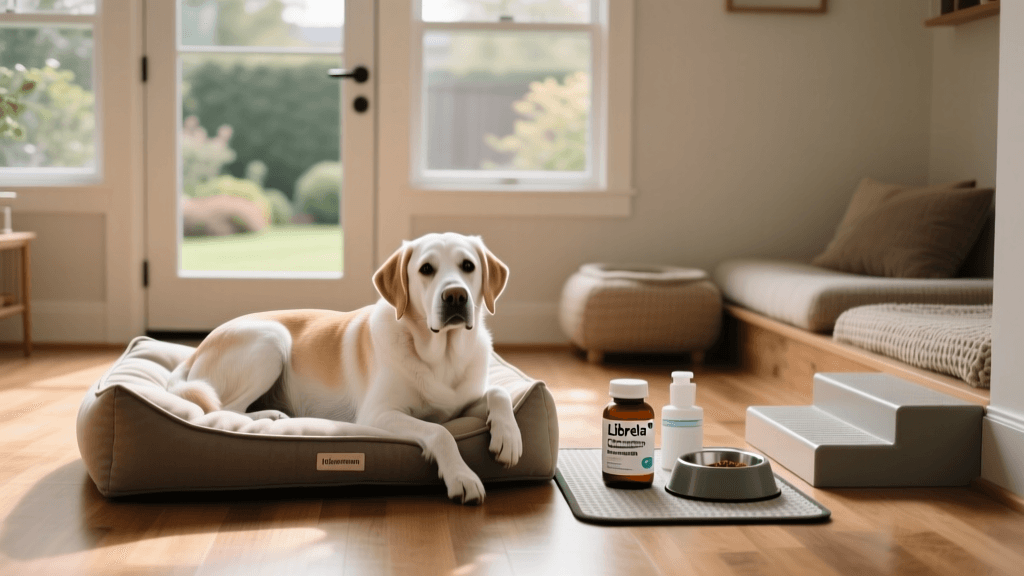
Before your dog arrives, set up a 'safe room' or a large, dog-proofed pen in a low-traffic area of your home. This space should include a covered crate (if they are crate-trained), a comfortable orthopedic bed, and fresh water. Keep the lighting dim and use white noise or a fan to muffle household sounds and outdoor noises that might trigger alert barking.
Potty Breaks and Leash Protocol
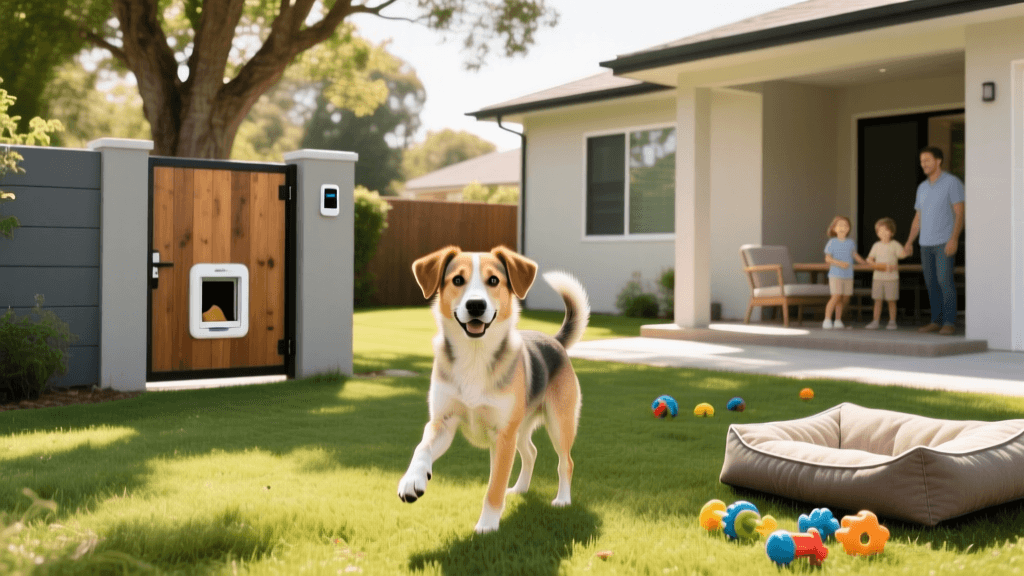
Even if you have a fenced backyard, keep your newly adopted anxious dog on a long line (15 to 30 feet) for all potty breaks during the first 24 hours. Anxious dogs are notorious flight risks in the first few days as they search for familiar territory. A long line allows them to sniff and explore the yard safely without the pressure of a short leash, while ensuring you maintain physical control. Avoid public walks entirely on day one.
Phase 2: 24 to 48 Hours (Establishing Predictable Routines)
As you move into the second day, your dog may begin to test boundaries or exhibit 'shutdown' behaviors (lethargy, refusing treats, hiding). This is normal. The focus now shifts to establishing a highly predictable routine. Dogs with anxiety thrive on predictability because it allows them to anticipate what will happen next, reducing their cognitive load.
Structured Feeding and Enrichment
Feed your dog at the exact same times each day. Instead of using a standard bowl, utilize enrichment tools to encourage natural foraging behaviors, which have a naturally calming effect on the canine brain. Snuffle mats or lick mats smeared with plain pumpkin puree or dog-safe bone broth are excellent choices. Licking and sniffing release endorphins that actively counteract cortisol.
Reading Canine Body Language
During this phase, closely monitor your dog for subtle signs of stress. According to the ASPCA's comprehensive dog care guidelines, early warning signs of anxiety include lip licking, yawning out of context, 'whale eye' (showing the whites of the eyes), and sudden scratching or shaking off when not wet. If you see these signals, immediately remove the stressor or give the dog space.
Phase 3: 48 to 72 Hours (Gentle Integration)
By the third day, your dog's cortisol levels should begin to normalize, assuming the environment has remained calm. You can now start gently integrating them into the broader household routine, but still avoid high-stress triggers like the dog park, busy streets, or visiting guests.
Introduction to Family Members
Introduce family members one at a time in a calm, seated manner. Instruct children to ignore the dog completely—no petting, no eye contact, and no loud noises. Allow the dog to approach them on their own terms. Tossing high-value treats (like boiled chicken or freeze-dried liver) away from the person's body encourages the dog to move away to eat, relieving social pressure.
Short, Sniff-Focused Decompression Walks
You can begin introducing short, 15-minute 'sniffaris' in quiet, low-traffic areas. Use a well-fitted Y-front harness and a 6-foot leash. Let the dog dictate the pace and direction of the walk. Sniffing lowers a dog's heart rate and provides vital mental stimulation without the physical exhaustion that can sometimes lead to crankiness and reactivity.
The 2026 Decompression Timeline & Action Plan
| Timeframe | Primary Goal | Activities to Strictly Avoid | Recommended 2026 Gear |
|---|---|---|---|
| 0-24 Hours | Cortisol Reduction & Safety | Guests, off-leash yard time, baths, public walks | Adaptil Optimum Diffuser, White Noise Machine |
| 24-48 Hours | Routine & Endorphin Release | Forced petting, multi-dog play, loud TV | LickiMat Soother, Snuffle Mat, Long Line (15ft) |
| 48-72 Hours | Gentle Household Integration | Dog parks, pet stores, crowded sidewalks | Y-Front Harness, Sniffspot Subscription |
Essential Gear for Managing Reactive & Anxious Dogs in 2026
Equipping your home with the right tools before your dog arrives is crucial for a smooth decompression period. Here are the top-rated, behaviorist-approved products for 2026:
- Adaptil Optimum Diffuser (2026 Formula): Priced around $45, this synthetic pheromone diffuser mimics the comforting pheromones released by a nursing mother dog. The latest 2026 formula covers up to 700 square feet and has been clinically shown to reduce signs of fear and anxiety in newly adopted dogs. Plug it in your dog's safe room 24 hours before they arrive.
- Sniffspot Private Yard Rentals: If you live in an apartment or do not have a secure, private yard, public walks can be a nightmare for a reactive dog. Sniffspot allows you to rent private, fenced-in yards by the hour. A basic membership is highly affordable, and it provides a safe, trigger-free environment for your dog to decompress and burn energy without the risk of encountering an off-leash dog.
- The Original LickiMat Soother: Costing roughly $15, this textured silicone mat is designed to hold soft spreads. The repetitive action of licking is proven to self-soothe anxious dogs. Freeze the mat with a mixture of plain kefir and mashed blueberries for a long-lasting, cooling treat that can occupy your dog for up to 45 minutes.
- Biothane Long Line (15-30 feet): Standard nylon leashes absorb water, get dirty, and cause leash burn. A waterproof Biothane long line (approx. $35-$50) gives your dog the freedom to sniff and explore at a distance while giving you a secure, easy-to-clean grip for emergency recalls or preventing bolting.
Setting Realistic Expectations: The 3-3-3 Rule
The 72-hour decompression protocol is just the beginning of the famous '3-3-3 Rule' of rescue dog adoption. While the first 3 days are for decompressing, the first 3 weeks are for learning your routine and beginning to show their true personality (which may include testing boundaries or displaying resource guarding). The first 3 months are for building deep trust and a secure attachment to you.
If your dog displays severe reactivity, such as lunging, snapping, or intense fear-based freezing that does not improve after the initial decompression period, it is vital to seek help from a certified veterinary behaviorist or a fear-free certified trainer. Punishing a fearful dog for reactive behavior will only suppress the warning signs, leading to a dog that bites 'without warning' in the future.
Conclusion
Adopting an anxious or reactive rescue dog is a profound commitment that requires patience, empathy, and a willingness to put the dog's emotional needs above human desires for immediate cuddles and social outings. By strictly adhering to this 72-hour decompression protocol, you are communicating to your new dog that their environment is safe, their boundaries are respected, and you are a trustworthy leader. In 2026, we know better than ever that a slow, structured introduction to a new home is the fastest route to a confident, happy, and well-adjusted canine companion.
beth-carrasco
All our authors care for dogs every day — read more of their work on the authors page.